
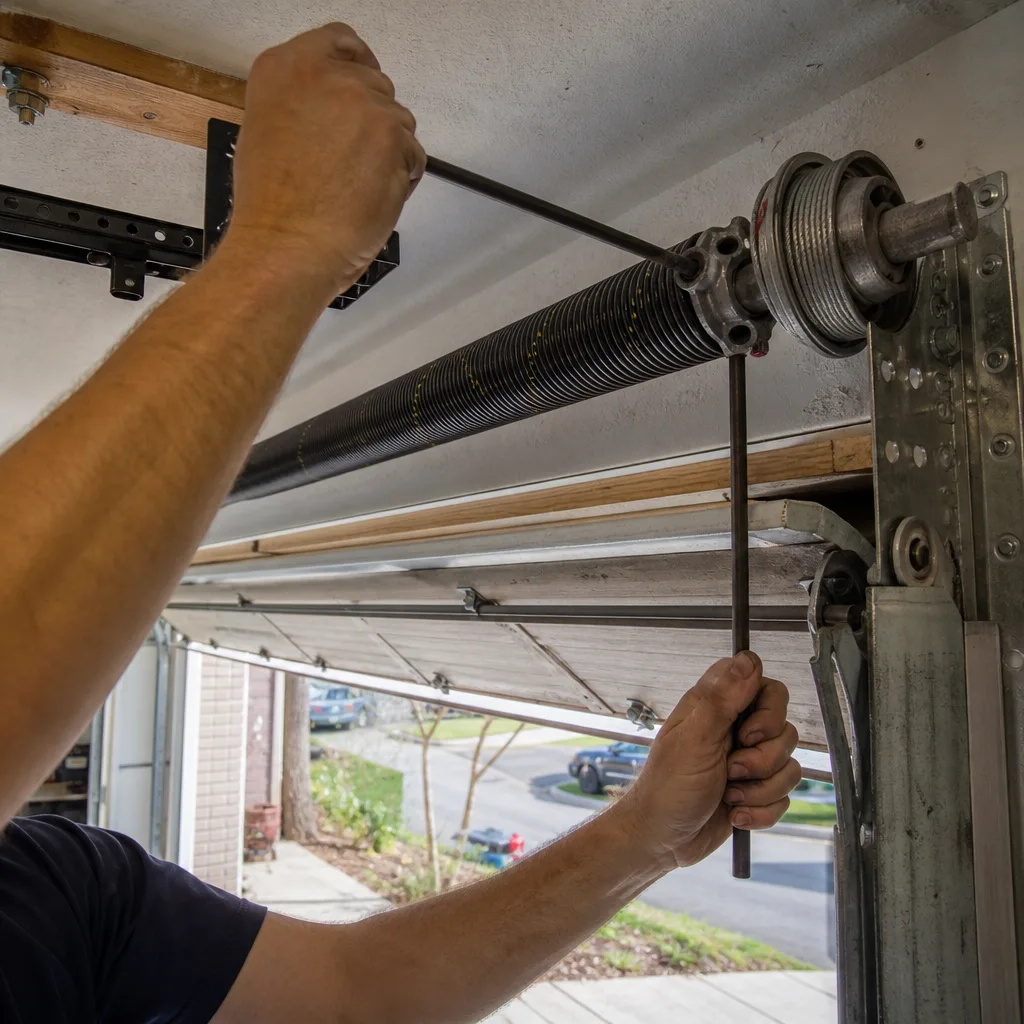
Last updated November 21, 2026
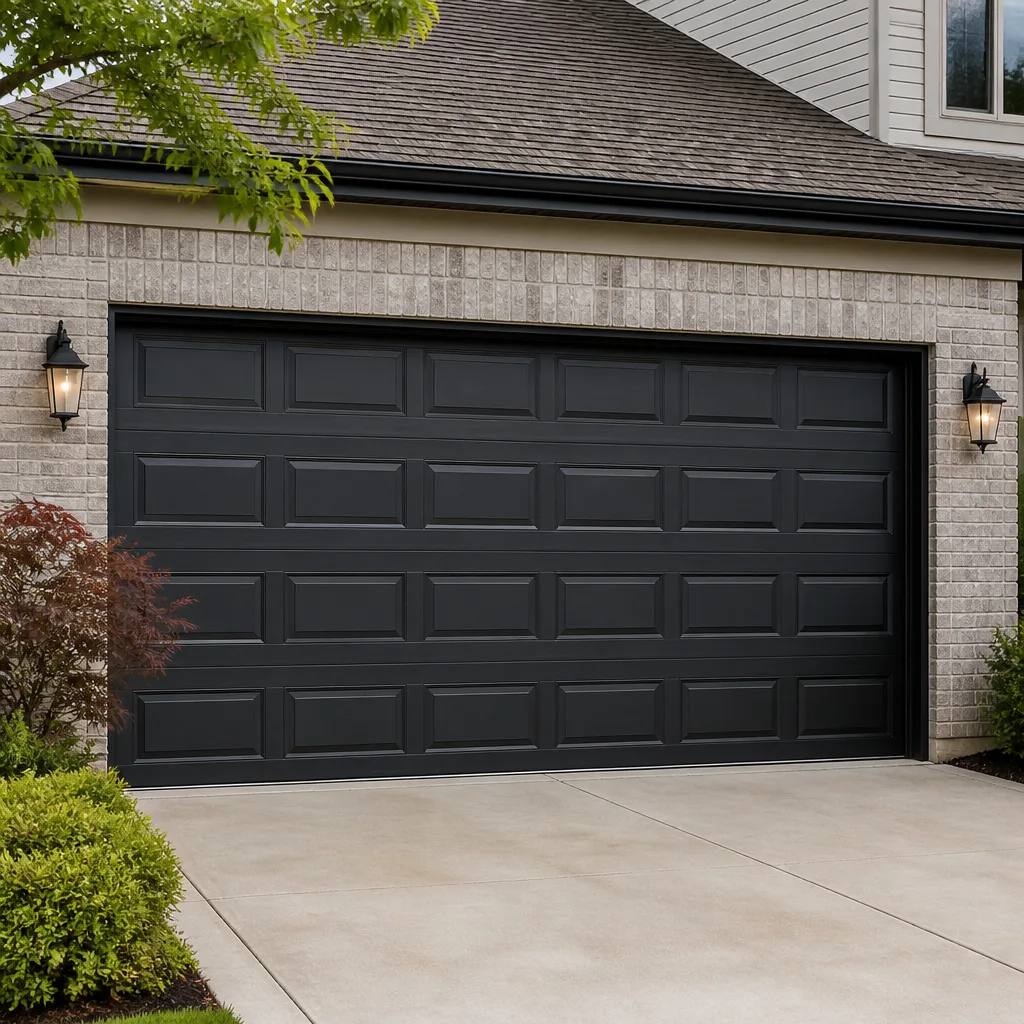 Raised-panel steel
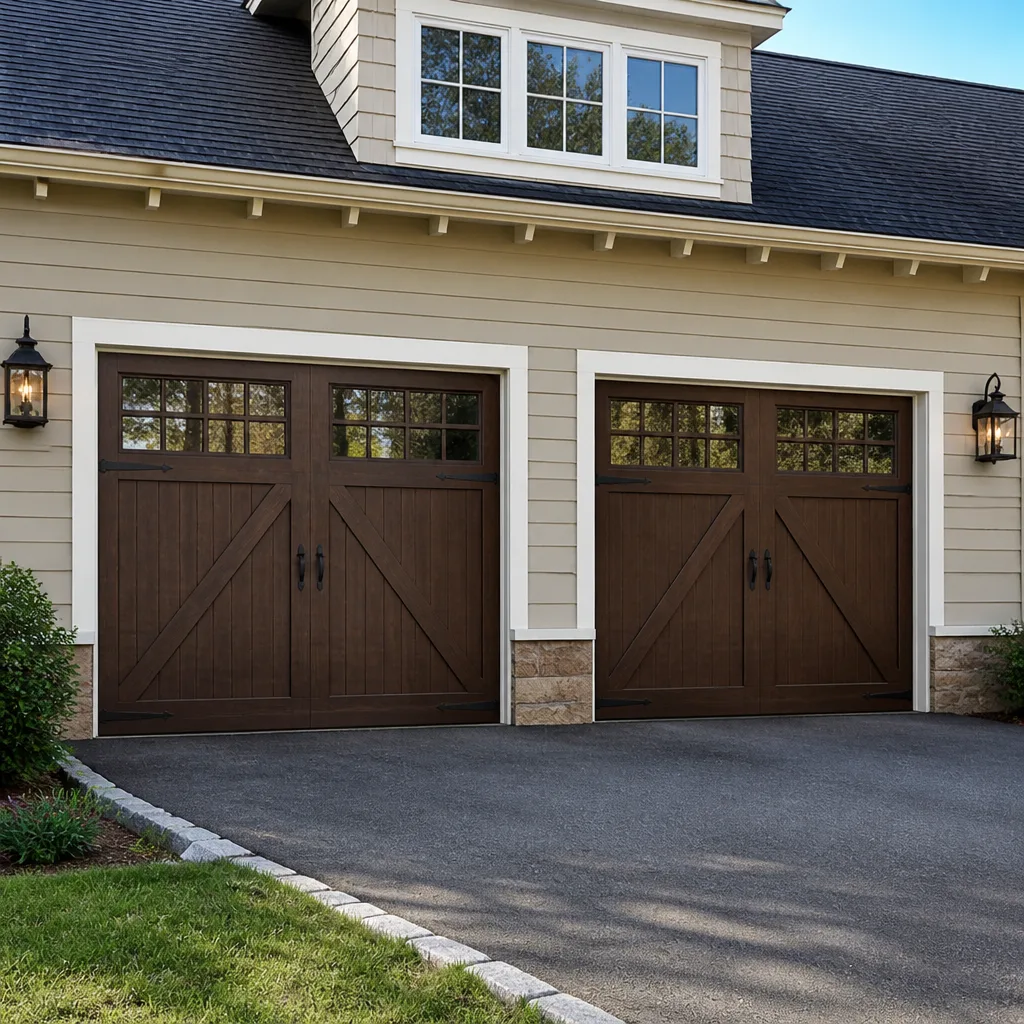 Carriage house
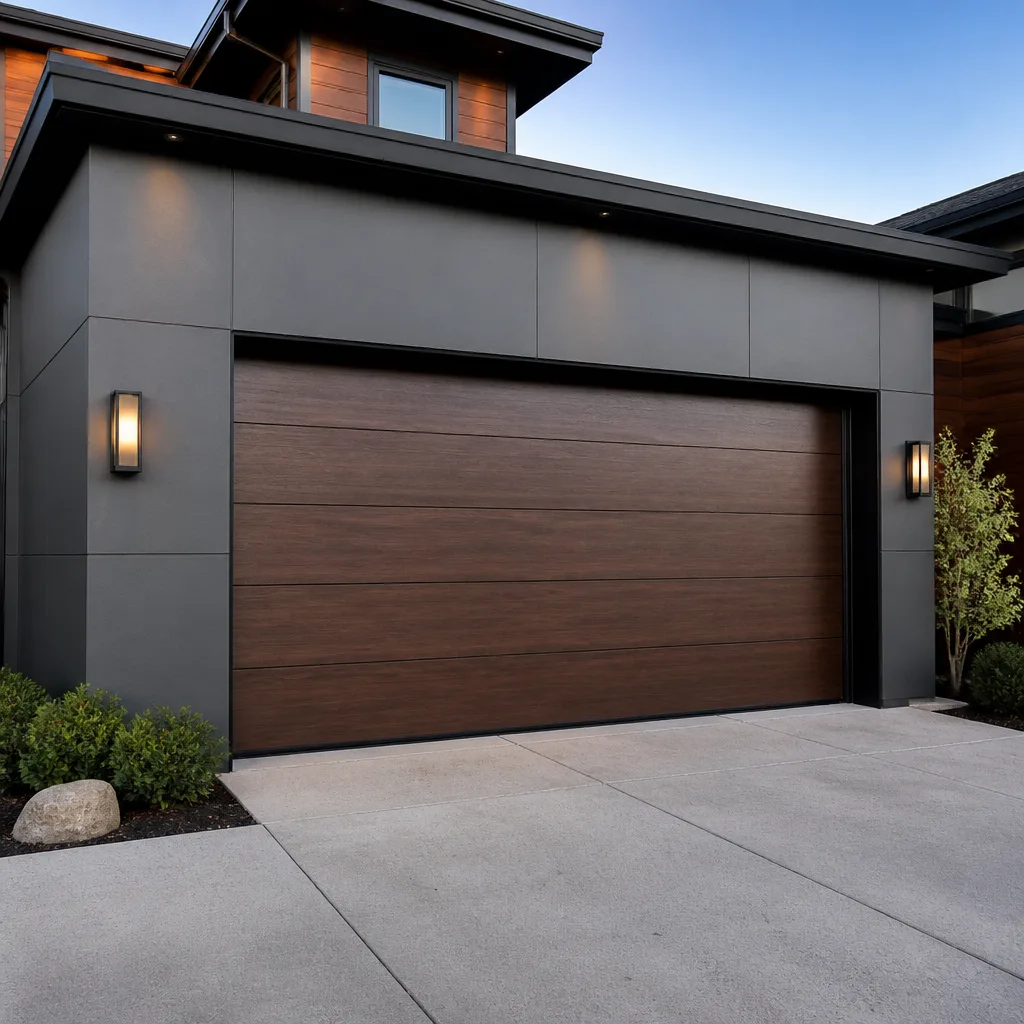 Modern flush
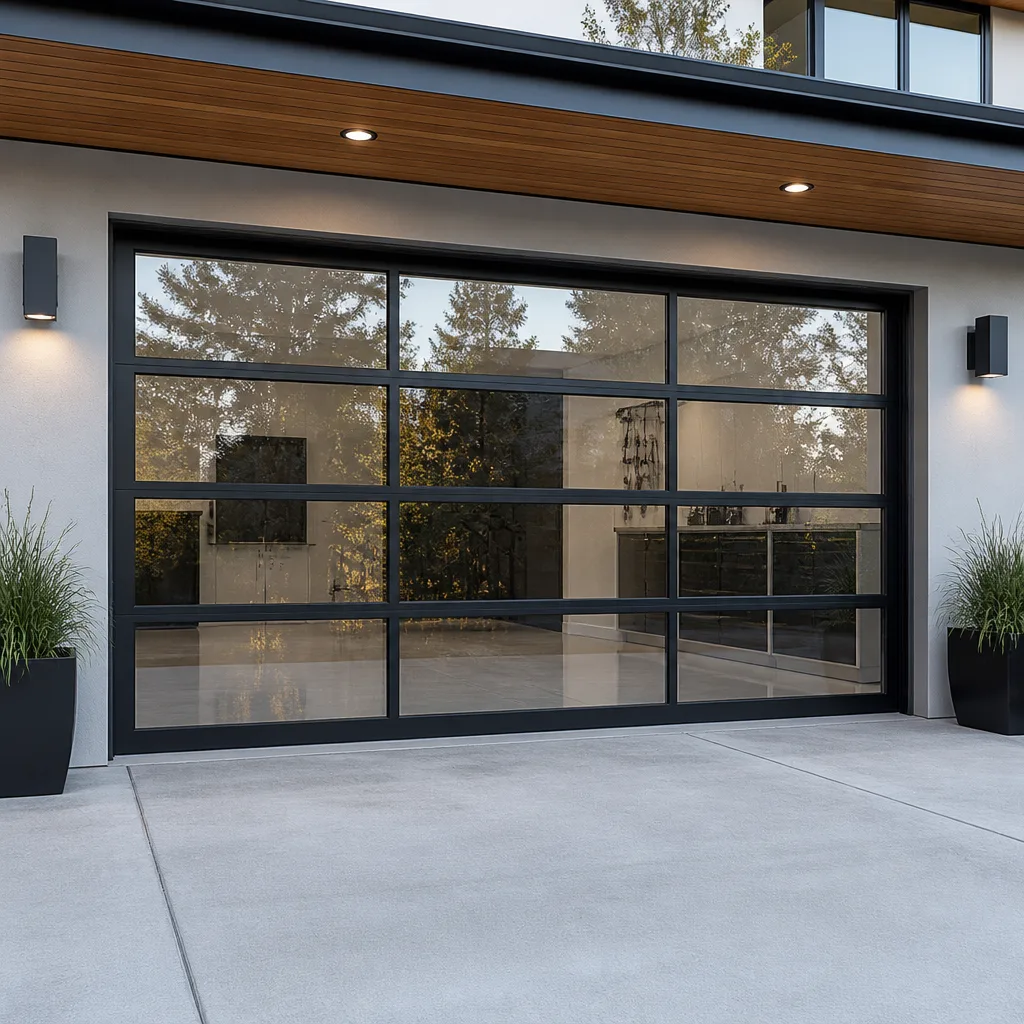 Full-view glass
 LiftMaster openers
 Chamberlain openers
Full 25-point door and opener safety check with every visit - springs, cables, rollers, tracks, and your LiftMaster or Chamberlain opener included
You get a price before we start. It does not change when the pro arrives.
Get your free estimateGarage Door Repair Maintenance Schedule: What to Do and When
Spraying WD-40 on garage door springs is one of the most common maintenance mistakes we see in Lindenwood Park, and it does the exact opposite of what homeowners think it does. WD-40 is a solvent, not a lubricant, and on a torsion spring it strips away the protective coating and speeds up rust. The same over-eager approach shows up everywhere: people either ignore the door for years or attack it every month with the wrong product. A real maintenance schedule is about doing three or four right things at the right intervals, not everything all the time. This guide lays out the month-by-month calendar for a Lindenwood Park climate, the lubrication rules most people get backwards, the one annual test that predicts spring failure months ahead, and how to log it all so a technician can diagnose faster.
Quick Answer
A garage door maintenance schedule comes down to a few intervals: a visual check and light lubrication every three months, a balance test once a year, and a full hardware inspection annually with seasonal adjustments before the first freeze and after spring thaw. The single most valuable task is the annual balance test, which catches a weakening spring six months before it snaps. Everything else is simple, and most of it takes under fifteen minutes.
Styles & brands we work with
- Raised-panel steel
- Carriage house
- Modern flush
- Full-view glass
- LiftMaster openers
- Chamberlain openers
Table of Contents
- The Month-by-Month Maintenance Calendar for Lindenwood Park
- The Lubrication Truth: What Gets Grease, What Gets Silicone, What Gets Nothing
- The Annual Balance Test Most Homeowners Have Never Heard Of
- Hardware Inspection Intervals by Door Age
- Seasonal Adjustments: Before the First Freeze and After Spring Thaw
- How to Log Your Maintenance for Faster Repairs and Better Resale
- Common Mistakes to Avoid
- When to Call a Professional
The Month-by-Month Maintenance Calendar for Lindenwood Park
Lindenwood Park sits in the middle of a continental climate with real winter freezes and humid summers, and a garage door feels every bit of it. Metal contracts in the cold and expands in the heat, wood panels swell and shrink, and the lubricant you put on in July behaves differently in January. A calendar that ignores those swings is just a generic checklist. Here’s the rhythm we recommend for a Lindenwood Park home.
January through February. Cold-weather check. Listen for new noises on the first few open cycles of a cold morning. Grease that has thickened in the cold makes the door sound strained, which is normal, but grinding or popping is not. Keep snow and ice from packing against the bottom seal, since a frozen seal can stress the bottom bracket on opening.
March through April. Spring thaw adjustment. After the freeze lifts, check that the door still closes flush against the threshold. The ground shifts with freeze and thaw cycles, and a door that sealed tight in November can leave a gap in April. Check the bottom weather seal for cracks and drying, and re-test the safety reverse.
May through June. Pre-summer hardware pass. Tighten the bolts on the hinges, brackets and track supports. Humidity is rising, so look for rust spots on the springs, track and rollers starting to show.
July through August. Lubrication and quieting. Heat makes the door louder and the lubricant thinner. This is the right time for the quarterly lubrication pass described below, plus a check that the opener’s safety sensors still line up.
September through October. Pre-freeze inspection. This is the most important seasonal slot in Lindenwood Park because the first freeze is the trial run for everything. Do the annual balance test now, inspect the cables for fraying, and check that the door is fully lubricated before the cold sets in.
November through December. Final check. Confirm the door reverses on contact, the seal is intact, and no hardware has worked loose. If anything looks worn, address it now rather than in the middle of a cold snap.
Notice this calendar doesn’t ask much of you in any single month. That’s deliberate. A garage door fails because one spring, cable or roller was left alone for years, not because you skipped a monthly wipe-down.
The Lubrication Truth: What Gets Grease, What Gets Silicone, What Gets Nothing
Most homeowners lubricate one thing: the springs, with whatever can is closest, usually WD-40. That’s the wrong move on every count. Here’s what actually gets what.
Lithium grease (white lithium): the torsion spring, the hinges, the roller bearings, and the bearing plates at the track. These are high-friction metal-on-metal contact points that need a heavier film. Use grease sparingly, wipe off the excess, and don’t sling it around the spring coils.
Silicone spray: the rollers and the tracks. A light silicone spray keeps the rollers rolling on the track without attracting grit and dust, which grease does. Silicone also goes on the weather seal at the bottom and edges, so the rubber stays pliable through the freeze and doesn’t crack.
Nothing at all: the torsion spring itself, in the sense of WD-40 or thin oils. A bare torsion spring is actually not improved by a coat of oil; what it needs is a proper wax-based or white-lithium coating if it’s showing rust. Never put penetrating oil on a spring or cable. On the opener rail and the chain, follow the manufacturer’s guidance for the specific brand, since Genie and LiftMaster chains and belts each want different treatment. If you’re not sure what your opener wants, that’s a good reason to have a technician look at it once and tell you.
A simple rule of thumb: grease for pivot and bearing surfaces, silicone for sliding and rolling surfaces, nothing for spring coils beyond a proper protective coating. Lubricate three or four times a year, and less is more. Over-lubricating attracts dirt, and dirt on rollers and hinges turns into grinding.
The most important thing to understand about lubrication is that it prevents wear but does not fix damage. If the door is grinding, banging or running slow, the cause is usually a worn roller, a misaligned track or a weakening spring, not a lack of oil. For that kind of repair work, see our garage door repair service.
The Annual Balance Test Most Homeowners Have Never Heard Of
This is the test we want every Lindenwood Park homeowner to know, because it catches a failing spring months before it snaps. A torsion spring weakens gradually, and the door’s balance is the first place you feel it. Here’s how it works.
- Close the door completely. Make sure no one is standing under or near it.
- Disconnect the opener. Pull the release handle so the door runs on its own weight and springs, not the opener motor.
- Lift the door halfway by hand and stop it about waist height. It should stay where you put it.
- Let go gently. A balanced door holds position. A door that drifts down is a sign of weakening springs; a door that drifts up means the springs are too strong or the door is too light.
- Lower the door fully by hand and reconnect the opener release.
What a failing result looks like: the door sags on one side, drops steadily when you let go, or feels unnaturally heavy as you lift. Any of those is a warning. A door that won’t hold halfway up is telling you the spring has lost some of its tension, and that’s your six-month warning window. Do not try to adjust or repair the spring yourself. Torsion springs are under extremely high tension, and the hardware is dangerous. Call a specialist, and keep the door down and disconnected until they can look at it.
Run this test once a year in fall, before the freeze, so a weakening spring gets attention while it’s still a repair and not an emergency. This is exactly why we offer spring repair as a dedicated service rather than a general handyman job. For opener-related issues, the balance test also tells you whether the problem is the door or the motor, which saves time when you call for garage door opener repair.
Hardware Inspection Intervals by Door Age
A two-year-old door and a twelve-year-old door don’t need the same attention. Here’s how we’d break it down. These intervals assume a standard residential door in a Lindenwood Park climate.
A door under 5 years old
New hardware is still wearing in, not wearing out. What matters most is keeping it clean and lubricated and confirming it’s still balanced.
- Quarterly: lubricate springs, hinges, rollers and track with the right products for each.
- Annually: balance test, safety-reverse test, visual check of cables and drum.
- Watch for: warranty-relevant wear, loose mounting bolts, and any noise that starts early. Parts from a brand like Clopay or Amarr should last well, so early problems are worth noticing.
A door 5 to 10 years old
This is when the first real wear shows up. Rollers start to flatten, the bottom seal dries out, and the spring may begin to lose tension.
- Every six months: inspect rollers, hinges and the bottom seal.
- Annually: balance test, cable inspection (they fray quietly), track alignment check.
- Watch for: a door that’s a little louder or slower than last year, or a seal that’s letting daylight through.
A door 10 to 15+ years old
Older hardware is where reliability drops. Springs often have a design life tied to cycle count, and cables and rollers can be at the end of healthy use.
- Every three to four months: a full hardware inspection, not just a visual once-over.
- Annually: balance test plus a professional inspection, because wear this deep is hard to judge by eye.
- Watch for: sagging, popping, rust streaks on springs, and a door that moves unevenly.
If you’re not sure of your door’s age, the brand can help. A technician familiar with your manufacturer reads the hardware and the panel style and can tell you roughly where the door is in its lifecycle. We work on Genie, Wayne Dalton and other major systems so we’re not guessing about what a given door needs at a given age.
Seasonal Adjustments: Before the First Freeze and After Spring Thaw
Two seasonal moments matter most in Lindenwood Park, and both come down to the same thing: the ground moves, and the door has to follow it.
Before the first freeze (early fall):
- Lubricate everything one last time so no cold-thickened grease fights you.
- Check the track for loose supports. The freeze can shift a lag bolt that was fine all summer.
- Inspect the bottom seal and replace it if it’s cracked; a worn seal lets cold air and water in.
- Check that the opener’s safety sensors are clean and aligned, since condensation and frost can interfere with them.
- Look for rust starting on springs and cables; rust advances faster once freezing starts.
After spring thaw (early spring):
- Re-test the door’s seal against the threshold. Frost heave often leaves a gap that wasn’t there in fall.
- Check the springs for any new rust or wear that another winter may have exposed.
- Run the balance test again, since the cold season is when a weakening spring usually starts to show.
- Check the hinges and brackets for loosened fasteners after the cycle of freeze and thaw.
- Inspect the door panels for any warping or water intrusion.
These two checkpoints prevent more emergency calls than any other habit. A door that’s been adjusted for the freeze and re-checked after the thaw simply doesn’t surprise you when the temperature drops. If you’re doing a bigger project and replacing the door itself, our garage door installation service can advise on which models handle a continental climate best, and what to ask before you commit.
How to Log Your Maintenance for Faster Repairs and Better Resale
A written maintenance log sounds fussy until it saves you an hour on a repair call. When a technician has a record of what was done and when, they diagnose faster because they can rule out surprises. And for a home sale, a log is quietly valuable.
Keep it simple. You don’t need a spreadsheet; a notebook, a notes file or a folder of photos works fine. Record:
- The date of every check. Even a visual pass counts.
- What you did. Lubricated springs, replaced the bottom seal, ran the balance test.
- What the balance test showed. “Held position” or “drops slightly” is exactly the note a technician wants.
- Any noises or changes. A grinding note from June can save a technician an hour in October.
- Any repairs or parts replaced, with the brand and date.
- Photos of the springs and hardware, dated once a year, so wear is visible over time.
Why it matters for resale and warranty: an inspection record shows the door was maintained, which supports a home warranty claim and gives a buyer confidence in the property. A door with a clean log is easier to market than one that’s never been looked at. If you ever call us for repair, bring the log or send a photo of it. We answer 24/7 so you can call us in Lindenwood Park and describe what’s in the log before you book a visit.
The log also tells you when you’re due for the next interval. If your last lubrication pass was three months ago, you know exactly what to do this week. That beats lying on the floor guessing whether you’ve greased the hinges yet this year.
Common Mistakes to Avoid
We see the same handful of maintenance mistakes again and again. Here’s how to stop making them.
- Spraying WD-40 on the springs. It’s a solvent, not a lubricant, and it strips the protective coating and speeds up rust. Use white lithium grease or a proper spring coating, not a penetrating oil, and never on the cables.
- Lubricating the track with grease. Grease on the track attracts dust and grit and makes the rollers grind the paint off. Tracks get a light silicone spray and nothing else.
- Skipping the balance test because the door “works fine.” A door that opens still fails the balance test six months before the spring snaps. The test is the whole point of a schedule.
- Overtightening every bolt you find. Snug is right; cranked down and clamped hard can bind a hinge or pull a bracket loose on a repeated cycle.
- Ignoring the safety reverse after any adjustment. After you change anything, re-test that the door reverses on contact. It’s the one check with a safety consequence.
- Tightening the torsion spring yourself. The spring is under high tension and can fail violently. Leave spring work to a trained technician, and keep the door down and disconnected if the balance test looks bad.
- Treating a seasonal noise like a permanent problem. A little sound in January is often just cold grease. But if a noise persists into spring after a lubrication pass, get it looked at rather than living with it.
There’s one more subtle mistake: doing all this on a door your opener no longer controls properly. If the door is well-maintained but the opener misbehaves, the problem lives in the motor or sensor, not the door. That’s a separate diagnosis, and it’s why we break opener work out as its own service.
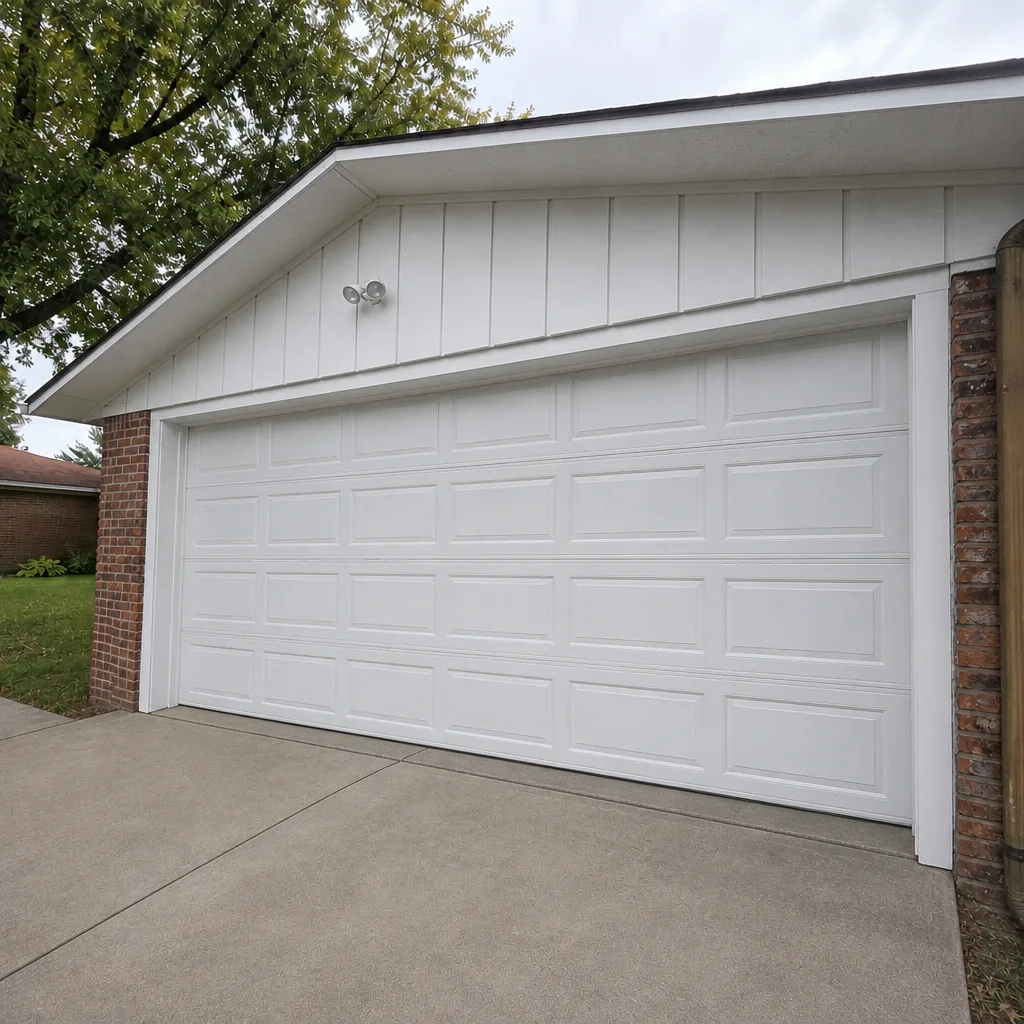
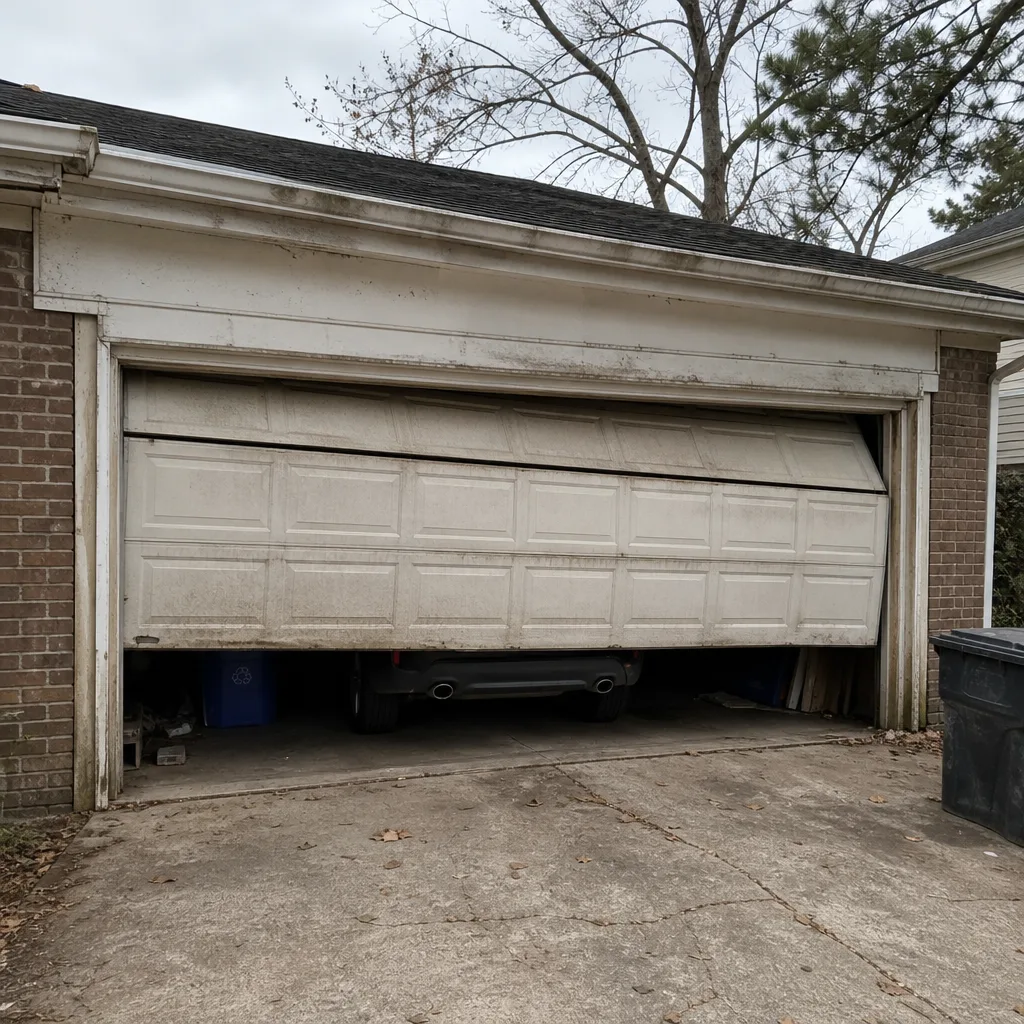
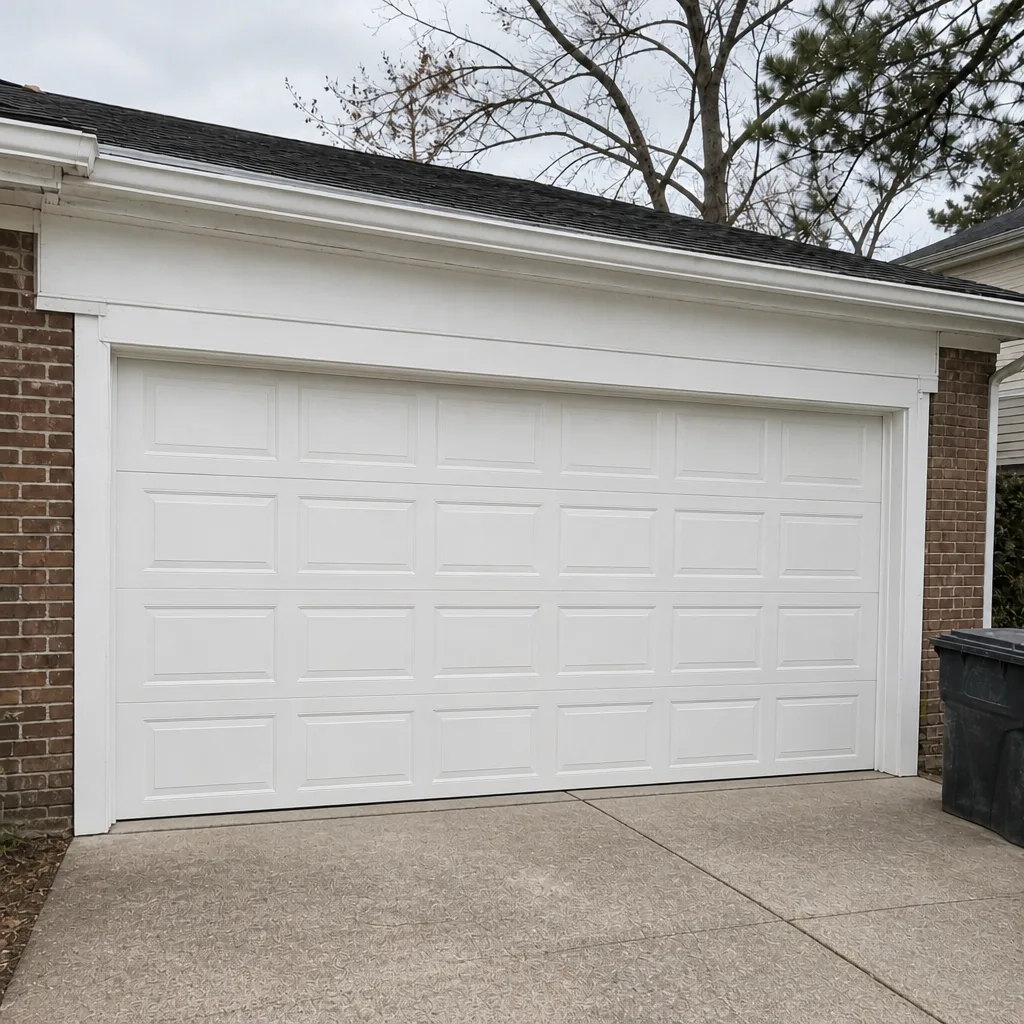
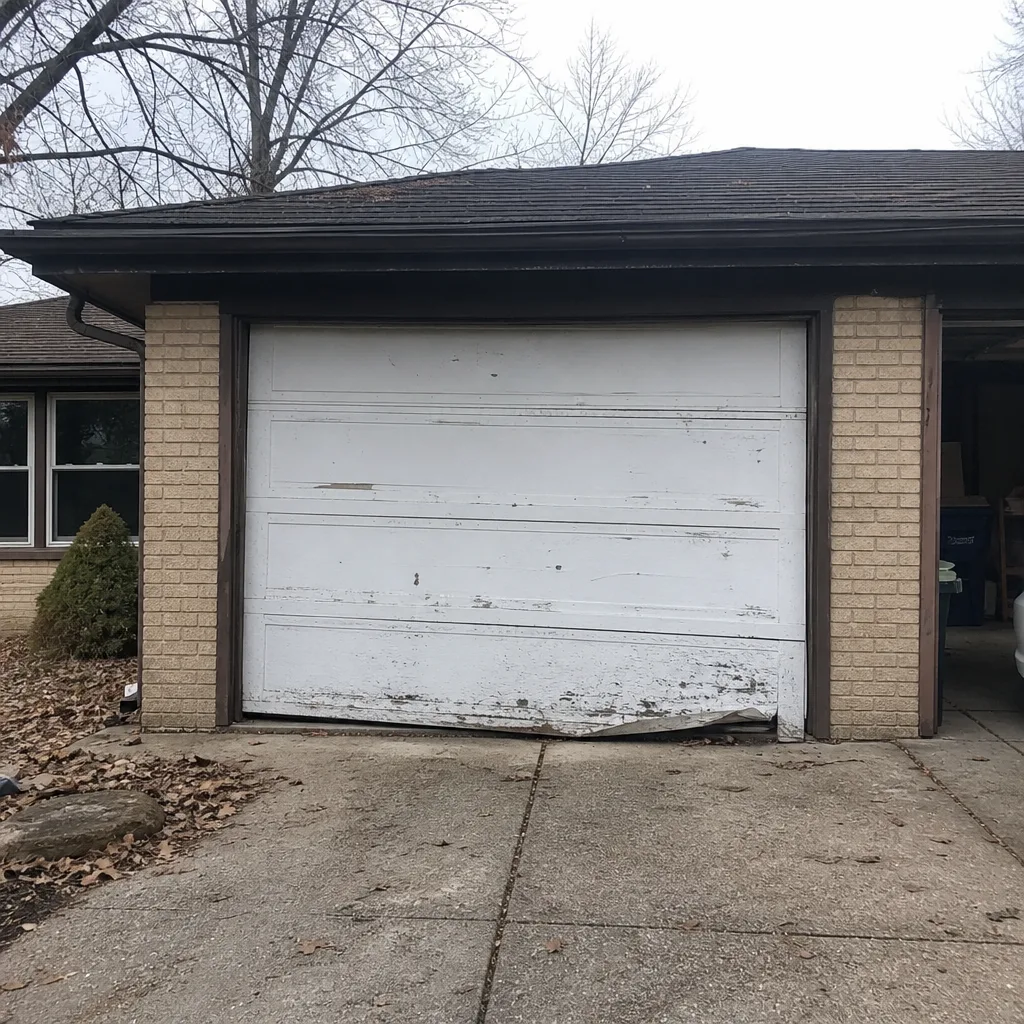
See the difference
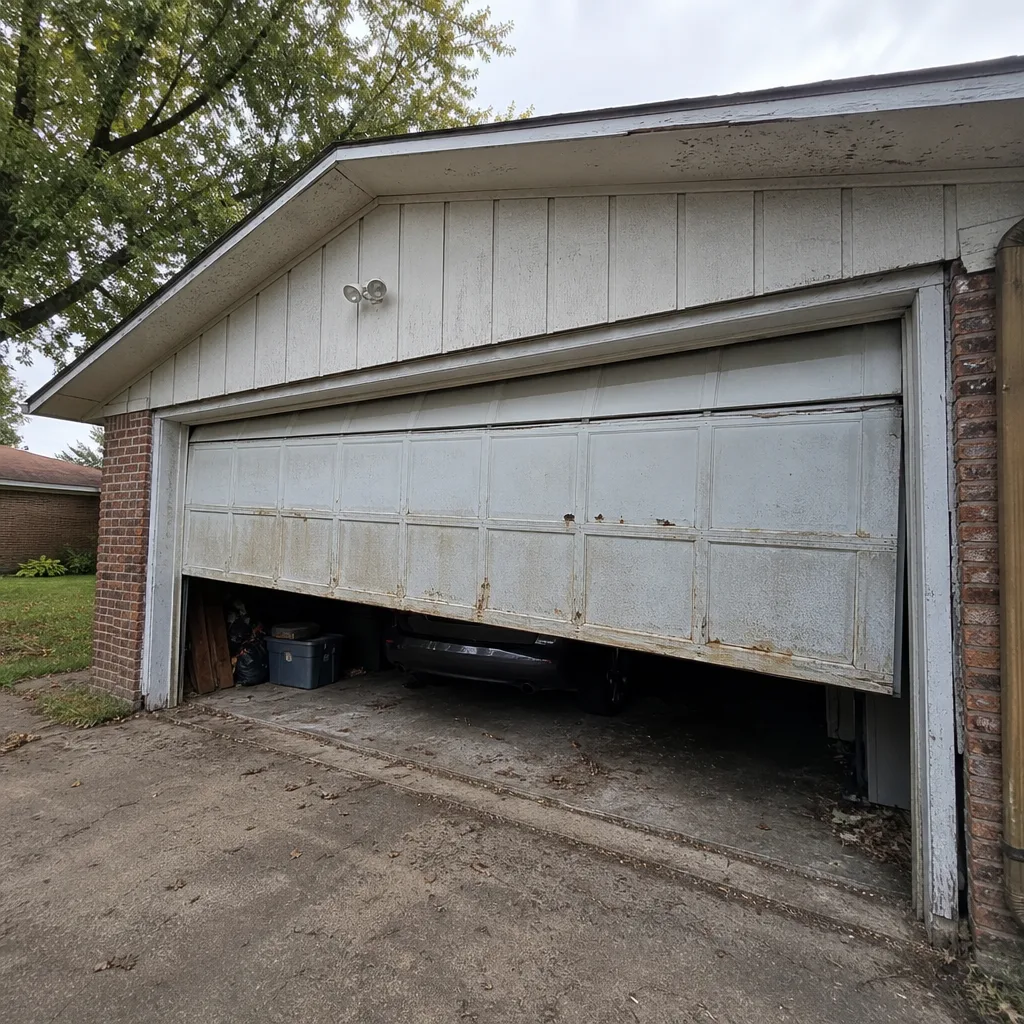 Before
 After
 Before
 After
 Before
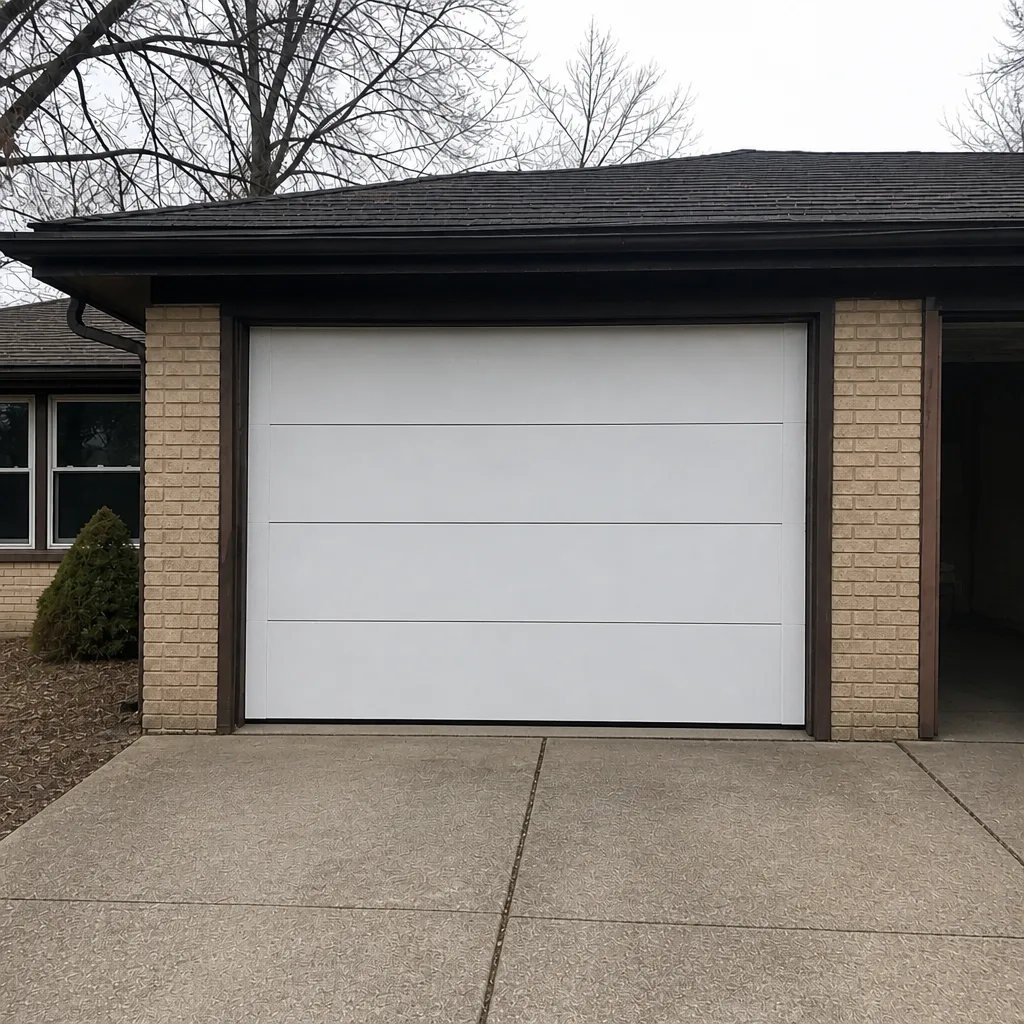 After
When to Call a Professional
Some maintenance is a homeowner job; some is not, and knowing the difference is what keeps a schedule safe. Call a professional if the balance test fails, if the door sags or binds on one side, if you see a frayed or kinked cable, if the spring shows rust streaks or a visible gap in the coil, or if you hear popping or banging. Call if the door won’t reverse on contact, or if the opener strains, reverses on its own, or the safety sensors won’t stay aligned. Call if the door is 12 to 15 years old and you’ve never had it inspected. And call if anything about the spring or cable looks wrong: those are the parts that cause serious injury when they fail, and they’re not a DIY job.
Garage Door Repair Lindenwood Park offers free estimates in Lindenwood Park. Call (866) 566-2905. We answer 24/7. Fast dispatch from 7am to 7pm, Sunday through Friday.
Frequently Asked Questions
Once a year is the minimum for a professional inspection, with a homeowner doing light lubrication and visual checks every three to four months. In a Lindenwood Park climate, add a seasonal check before the first freeze and a re-check after spring thaw. The annual balance test is the single most important part of the schedule.
You can lubricate the hinges, rollers, tracks and seal yourself, using lithium grease for pivot and bearing points and silicone spray for sliding and rolling surfaces. Leave the spring and cable alone beyond a visual check, and never use a penetrating oil on them. If you’re unsure what your specific opener or spring needs, have a technician show you once. Call (866) 566-2905 for an exact walkthrough on your setup; estimates are free.
It’s a test where you disconnect the opener, lift the door halfway by hand, and let go to see if it holds position. A door that drifts down or feels heavy is showing a weakening spring, usually six months before it fails. Run it once a year in fall, and stop and call a professional if it fails.
Grinding is usually a repair issue, not a lubrication one. Worn rollers, a misaligned track or a dry bearing under load are the usual culprits, and a lubrication pass won’t fix any of them. Get it diagnosed rather than living with it, since grind turns into damage. Call (866) 566-2905. We answer 24/7. Fast dispatch from 7am to 7pm, Sunday through Friday.
Yes, and it’s easier than it sounds. A dated note of what you checked, what the balance test showed, and any repairs helps a technician diagnose faster, supports a home warranty claim, and gives a buyer confidence at resale. It takes minutes to keep and pays for itself the first time something needs fixing.
We’re closed on Saturday. A spring failure is a safety issue, so keep the door down and the opener disconnected, then call on Sunday. We answer 24/7, and a call outside dispatch hours is booked into the next opening, Sunday through Friday, 7am to 7pm. Our technicians have up to 15 years of experience handling exactly this kind of spring work safely.
The Bottom Line
A garage door maintenance schedule is not about doing everything every month. It’s about a few right things at the right intervals: lubrication every three to four months with the correct products, a visual and safety-reverse check each season, and the annual balance test in fall. Build the calendar around Lindenwood Park’s freeze and thaw, give older doors more attention than new ones, and keep a simple log. Avoid the WD-40 mistake, respect the danger of springs and cables, and you’ll spend far less on emergency repairs. When balance fails or the door binds, call a specialist. Garage Door Repair Lindenwood Park offers free estimates in Lindenwood Park. Call (866) 566-2905 for your free estimate. We answer 24/7. Fast dispatch from 7am to 7pm, Sunday through Friday.
Written by the team at Garage Door Repair Lindenwood Park.