
Last updated November 21, 2026
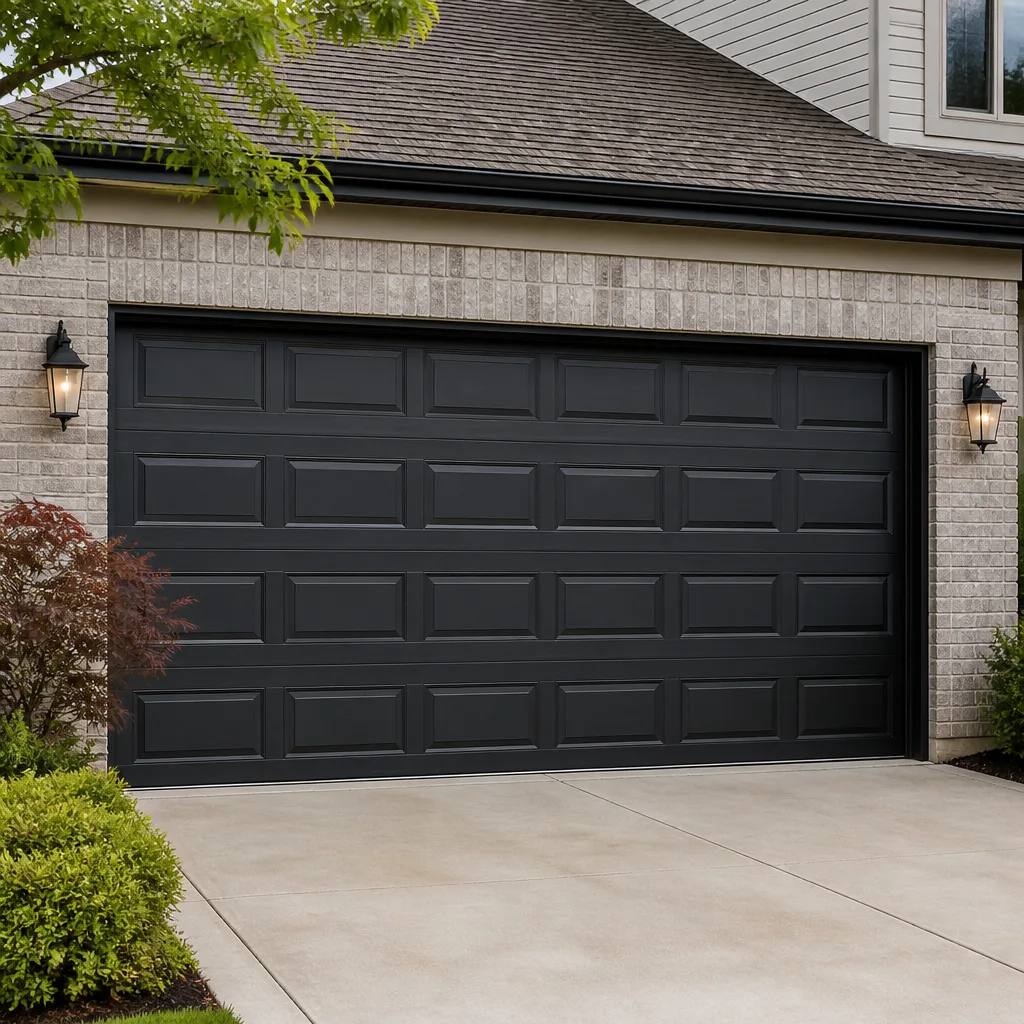 Raised-panel steel
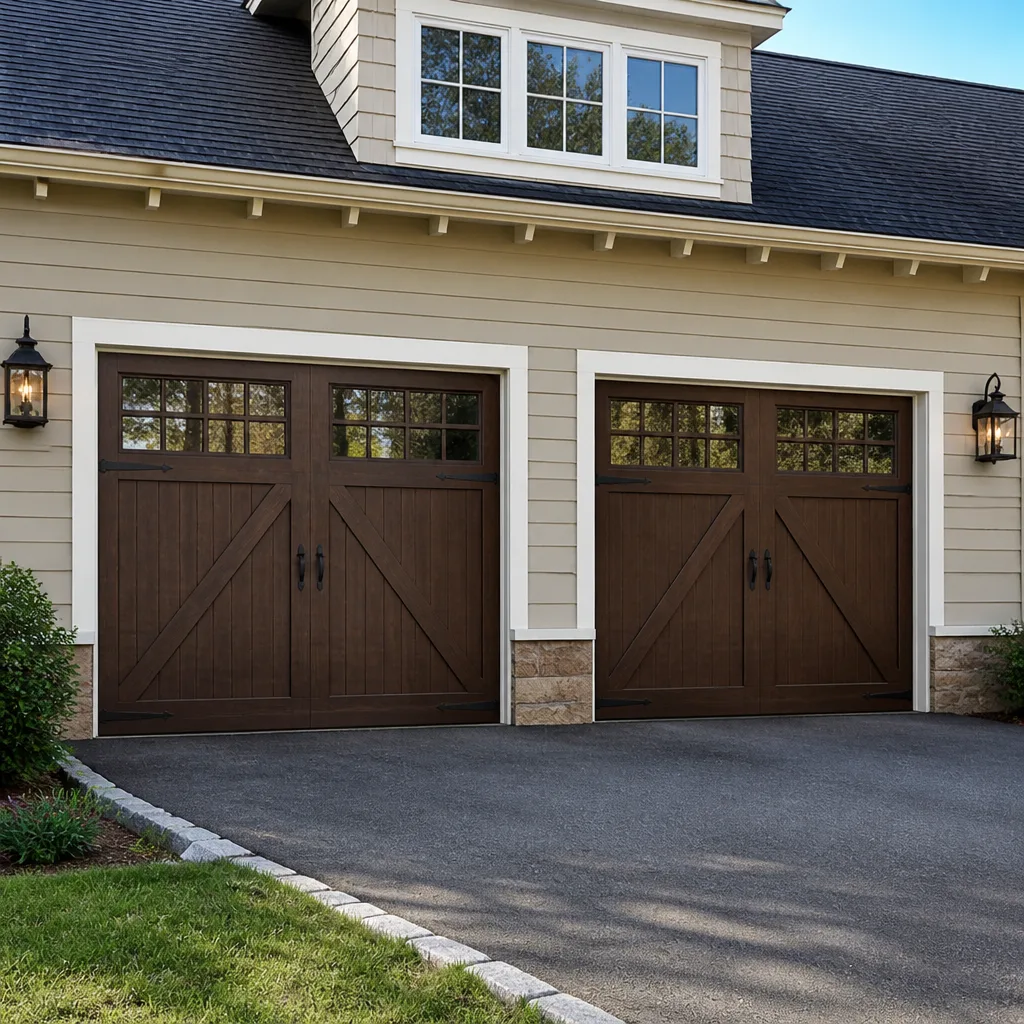 Carriage house
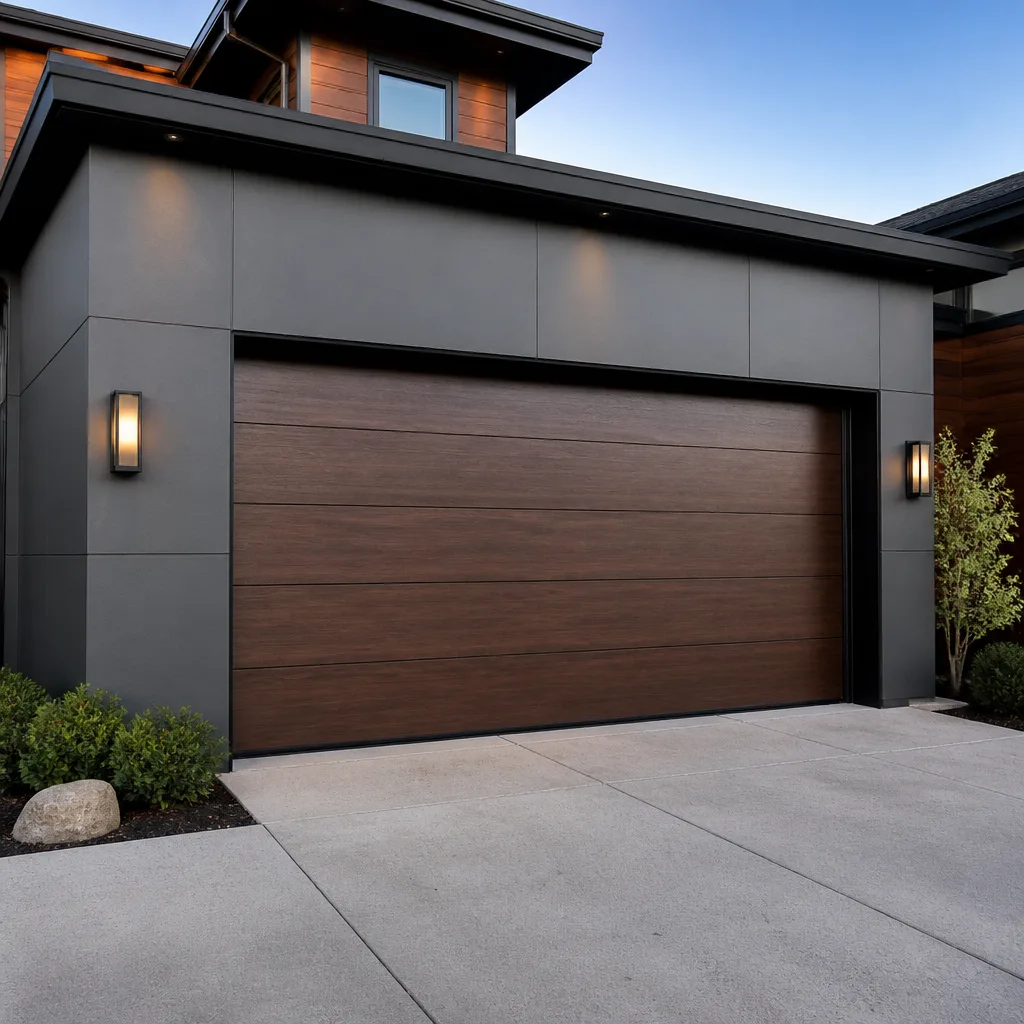 Modern flush
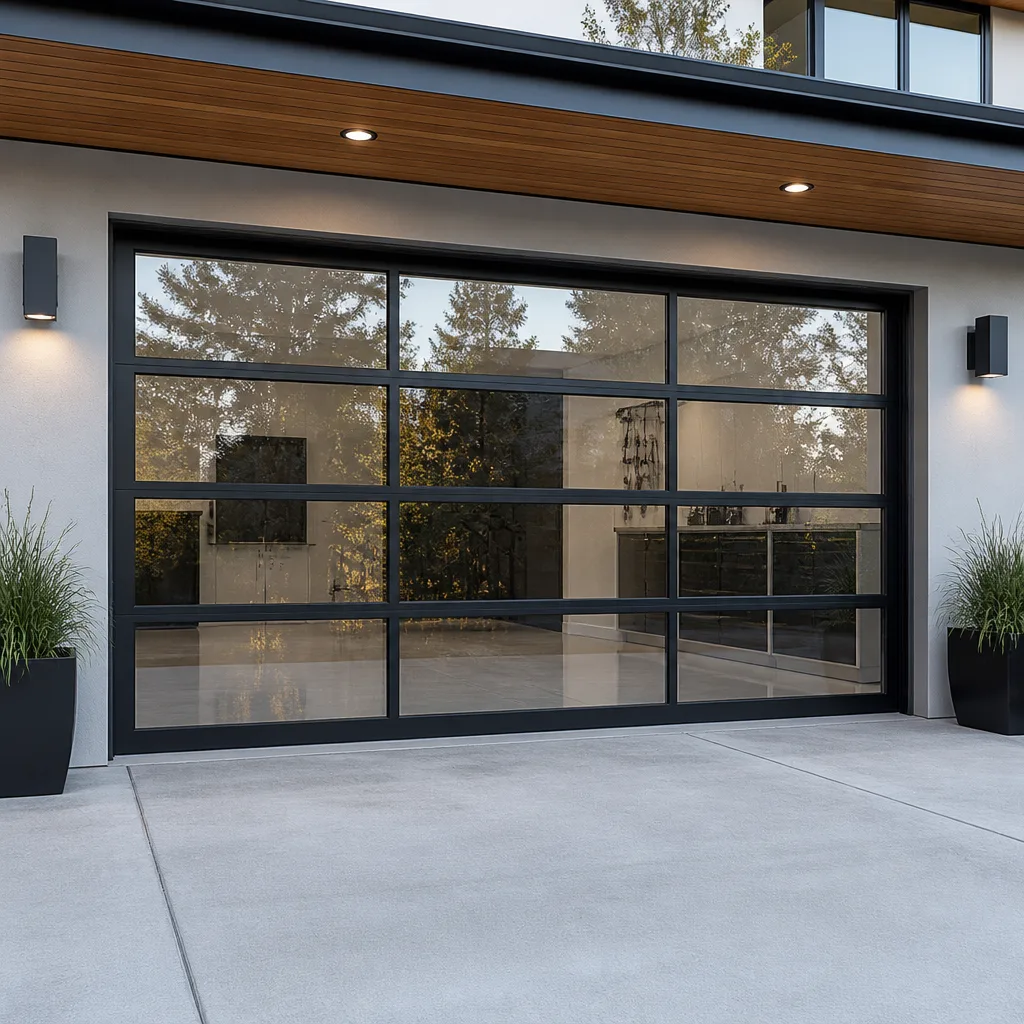 Full-view glass
 LiftMaster openers
 Chamberlain openers
Full 25-point door and opener safety check with every visit - springs, cables, rollers, tracks, and your LiftMaster or Chamberlain opener included
You get a price before we start. It does not change when the pro arrives.
Get your free estimateGarage Door Repair Troubleshooting in Lindenwood Park: Common Problems and How to Fix Them
A noisy garage door is never just “a noisy garage door.” It’s a specific component telling you exactly what’s wrong, and knowing the difference between a grinding opener and a grinding spring can save you from paying for the wrong repair. Here in Lindenwood Park, we see this every week: homeowners who’ve spent money replacing a motor when a $10 roller was the culprit, or who’ve ignored a slow, stuttering door until a worn gear stripped completely. This guide maps every common garage door symptom directly to its root cause, so you stop guessing and stop replacing parts that aren’t broken. You’ll learn how to diagnose with your ears and eyes, which checks are safe, and when to call.
Quick Answer
Most garage door problems in Lindenwood Park come down to one of five systems: the spring, the opener motor or gear, the rollers and hinges, the cables, or the door’s alignment with the track. Match the symptom you’re hearing or seeing to the correct system first, before you touch anything. Springs and cables are dangerous and should always be handled by a trained technician; the rest is usually a quick fix once you know where to look. If you’re not sure, a diagnostic call costs nothing but the time it takes to describe what your door is doing.
Styles & brands we work with
- Raised-panel steel
- Carriage house
- Modern flush
- Full-view glass
- LiftMaster openers
- Chamberlain openers
Table of Contents
- What Is Your Garage Door Telling You? A Sound-to-Component Guide
- Why Your Garage Door Won’t Open: Five Causes, Five Fixes
- The One Safe DIY Check and the Two You Should Never Attempt
- How Missouri Freeze-Thaw Cycles Cause Seasonal Misalignment in Lindenwood Park
- Brand-Specific Quirks: Why Your Opener’s Blinking Light Can Mislead You
- When a Symptom Means a Real Repair, Not a Reset
- Preventing Repeat Problems in a Lindenwood Park Home
What Is Your Garage Door Telling You? A Sound-to-Component Guide
The first step in troubleshooting is learning to listen. Every garage door system makes predictable sounds, and once you can tell them apart you’re most of the way to the diagnosis. When we talk to homeowners across Lindenwood Park, the sound is almost always the best clue. It comes before any visual sign and it points to the exact component that needs attention. Here’s what each one usually means.
- A sharp, repeated “snap” or “pop” from above the door: Almost always the torsion spring or its winding hardware. That snap means the spring has broken or is about to. Do not cycle the door again. Call a specialist.
- Grinding or growling that seems to come from the opener itself: A worn or stripped gear inside the opener housing. A common failure on older units, and one that shows up differently by brand.
- Squealing or whining on the way up and down: Dry or worn rollers, or hinge points that have lost lubrication. This is the low-risk sound, and it’s a good sign you caught it early.
- Banging, rattling, or clanging at the top of the travel: Loose hardware, a failing bolt, or a torsion bar that has shifted. Can also be a detached spring on a lighter door.
- A rhythmic thumping that speeds up as the door rises: A bent panel, a warped roll, or a roller that has come out of the track.
The key is to distinguish two sounds that are often confused: a grinding opener and a grinding spring. An opener gear grinds inside the motor housing, an area up near the ceiling. A failing spring grinds or scrapes at the header above the door opening. In our experience, getting those two locations straight is the difference between a repair and a replacement that shouldn’t have happened. If you can safely stand and listen for ten seconds while someone cycles the door, you’ll know which side of the garage to point at.
Once you’ve narrowed it to a component, the next question is whether it’s a repair you can live with for a while or one you shouldn’t. If you ever smell something burning, or the door starts to shake hard, stop using it. For a general rundown of the repair side of this, see our garage door repair service page, which covers everything from roller swaps to full spring replacement.
Why Your Garage Door Won’t Open: Five Causes, Five Fixes
“The door won’t open” is the single most common call we get in Lindenwood Park, and it’s also the one that fools people most often. There are five very different causes, and each one has its own fix. If you replace the opener when the real problem is a broken spring or a tripped safety sensor, you’ve spent money that didn’t solve anything. In our experience, a homeowner can narrow it down in about 60 seconds by asking a few ordered questions.
- Does the motor run but the door stays put? You’ll hear the opener humming or running but the door doesn’t budge. This points to a broken spring or a decoupled mechanism. Do not run it repeatedly. A trained tech needs to check it before any more cycles.
- Is there no sound at all? Power, a wall switch, a dead remote battery, or a tripped surge protector. Check the outlet and the wall panel before anything else.
- Does it move a few inches and reverse? That’s usually a safety sensor misaligned, or an obstruction in the light beam across the opening. Dust, snowmelt residue, or a bumped sensor from lawn equipment are common in Lindenwood Park.
- Does the door start up and stall or bind? A bent track, a blown-out roller, or a door that has come off its hinges. This needs visual inspection.
- Does it open partway, then stop or reverse with a flash? That’s often a limit switch or travel setting, and it’s brand-specific. A LiftMaster will behave differently than a Chamberlain here, which is why the model matters.
Work through that list in order. The goal is to eliminate the simple stuff (power, sensors) before assuming a mechanical failure. If you hear the motor run and the door not move, that’s the point to stop and call. There’s no reset that fixes a broken spring, and cycling it can cause further damage to the opener and the door panels.
The One Safe DIY Check and the Two You Should Never Attempt
There’s a lot of internet advice about home garage door repair, and much of it is genuinely dangerous. We’d rather you know what’s safe to look at than get hurt trying to save a few dollars. Here in Lindenwood Park, we’ve seen more than a few injuries that started with “it’s just a spring.” Let’s be clear about the line.
The one safe check: a visual spring inspection. From the floor, without touching anything, you can see whether your spring is intact. Look at the coiled spring above the door or alongside the track. If you see a visible gap or a broken coil, or if the door feels unusually heavy when you lift it a few inches by hand (with the opener disengaged), the spring is the likely culprit. That’s a safe observation. It’s information for the call, not a plan for the repair.
The two you should never attempt:
- Spring replacement or adjustment. Torsion springs and the winding bars that tension them are under extreme force. A slip or a wrong-sized bar can cause serious injury in seconds. Extension springs have their own hazards, and the cables that carry them are just as unforgiving. This is where a trained technician earns their keep, and there’s no safe shortcut.
- Cable reattachment. The cables on a garage door are load-bearing, and they’re part of the spring system. If a cable has come loose, jumped a drum, or snapped, the door is in a dangerous state. Do not try to hook it back up or pull it down by hand. Call and keep people and vehicles clear of the door path.
Everything else on the door – rollers, hinges, sensor alignment, track cleaning, and lubrication – is fair game for a careful homeowner. But springs and cables are the two areas where we’d rather you call us and save your hands. Spring repair is a named service for a reason: it’s the highest-risk, most technically demanding part of the trade. Whether you own a Craftsman, Raynor, LiftMaster, or Chamberlain system, the danger is the same, and the right answer is the same too.
How Missouri Freeze-Thaw Cycles Cause Seasonal Misalignment in Lindenwood Park
Lindenwood Park sits right where Missouri’s weather likes to be dramatic. We get cold snaps that drop well below freezing, followed by mild days that melt everything, then another freeze. That cycle repeats through the winter and into early spring, and it puts enormous stress on a garage door’s alignment. The wooden framing around the opening expands and contracts, the concrete slab under the door shifts a hair, and the metal track follows. A door that was perfectly aligned in October can develop a gap or a bind by February.
The symptoms come in a predictable pattern:
- A gap at one corner or across the bottom that wasn’t there last season. Often a sign of slab or header movement, not a door defect.
- A door that rubs or scrapes on one side. The track has moved slightly out of plumb, and the rollers are riding against the rail.
- A door that reverses partway up in cold weather. The opener’s travel limit becomes tight as the door’s path changes, and the safety reverse kicks in.
- A safety sensor that trips after a freeze. The mount or bracket has shifted a fraction of an inch, which is all it takes to break the beam.
These are seasonal misalignment issues, and they’re not a sign that you need a new door. Most of them are fixed with a track adjustment, a limit re-set, or a sensor re-aim. But because the misalignment can put uneven load on the springs and opener, it’s worth addressing promptly rather than living with it for a whole season. A door that binds against a moved track wears the rollers faster and stresses the opener gear. In Lindenwood Park, we recommend a once-a-year check in late fall, before the first hard freeze, and again in early spring as the ground softens.
Brand-Specific Quirks: Why Your Opener’s Blinking Light Can Mislead You
Here’s a mistake we see all the time: a homeowner looks up what a blinking error code means, follows the advice for the wrong brand, and replaces a part that wasn’t the problem. A LiftMaster blinking code and a Chamberlain blinking code can look identical on the outside, but they don’t always mean the same thing. The manufacturer’s diagnostic language is specific, and so is the fix. This is exactly why we’re factory-familiar with the major brands – no learning curve when we arrive.
Some of the brand-specific patterns worth knowing:
- LiftMaster: The blinking pattern and the beep sequence carry different codes depending on the model and vintage. On newer units, the diagnostic LED tells you far more than the wall button. Don’t assume a single flash pattern means “sensor” on every model.
- Chamberlain: Shares a lot of design DNA with LiftMaster, but the code translation can differ by generation. A code that means “travel limit” on one may point to a logic board issue on the other. Getting the exact model number off the back of the opener before you troubleshoot saves a lot of guesswork.
- Craftsman: Many models use a distinct code layout, and older units are often misdiagnosed as dead when the real issue is a worn capacitor or a failing gear. The motor runs but the door doesn’t move – classic gear failure, not a motor replacement.
- Raynor: Frequently paired with commercial-grade openers and heavier doors, so the same symptom can come from a different load problem than a typical residential setup. The fix is often a spring or track issue, not the opener at all.
When a code is blinking, the first thing to do is read the model number off the housing, not the remote. From there, the right diagnosis is usually fast. We keep a mental map of how each of these brands behaves, and the parts on hand to fix them on the same visit. If opener repair is what you’re facing, our garage door opener repair page breaks down the common code families and what they usually mean.
When a Symptom Means a Real Repair, Not a Reset
Not every problem needs a technician, and we’d rather you not call if a simple reset does the job. But some symptoms are a clear signal to stop and pick up the phone. In our experience in Lindenwood Park, these are the ones that almost always mean a mechanical repair rather than a settings issue.
Call a specialist if:
- The door won’t move and you hear the opener motor running. That’s a decoupled spring or gear issue.
- You see a broken spring, a visible gap in the coil, or the door feels unusually heavy when lifted by hand.
- A cable is loose, kinked, off its drum, or visibly frayed.
- The door is off its track, crooked, or rubbing hard on one side.
- You smell burning from the opener housing, or the unit trips a breaker.
- You’ve tried a power cycle, a sensor wipe, and a remote battery, and it still won’t work.
When you call, you’ll get a faster and more accurate dispatch if you can tell us the door’s symptoms, the opener’s brand and model, and whether you heard noise or saw movement. That’s the kind of information a specialist can act on. A generalist handyman splitting focus across trades will often need a second visit once they’ve looked up the model. A dedicated garage door specialist can arrive with the right parts and the right plan. Every estimate is free, and the price is quoted and agreed before any work starts. If you’re not sure whether your problem is a repair, see our main Garage Door Repair Lindenwood Park page for the full scope of what we handle.
Preventing Repeat Problems in a Lindenwood Park Home
Most garage door repair calls are for problems that could have been caught earlier. A little routine attention goes a long way, and none of it requires touching the dangerous parts. Here’s the simple maintenance pattern we recommend for households in Lindenwood Park, and it’s the same whether you have a steel door or a wood-look panel.
- Listen once a month. Stand in the garage and cycle the door. Any new squeal, grind, or thump is your early warning. Fixing a $10 roller is cheaper than replacing a panel.
- Look at the spring and cables without touching. A quick visual scan each season catches a developing problem before it becomes a no-open scenario.
- Clean and align the safety sensors. A soft cloth and a careful re-aim takes a minute and prevents most “won’t close” episodes. In a freeze-thaw climate, check them again after the first cold snap.
- Lubricate the moving parts, not the tracks. Hinges and roller stems get a few drops of a proper garage door lubricant. Tracks should stay dry. Grease on the track attracts grit and wears the rollers.
- Test the safety reverse each month. Place a small object in the door’s path and confirm it reverses. This is a basic safety check and one of the few tests you can do safely by yourself.
- Schedule a fall check before the first freeze. In Lindenwood Park, Missouri’s freeze-thaw shift is the biggest seasonal risk to alignment. Get ahead of it, and spring stays quiet.
Plan on a proper professional check once a year if you want to be thorough. When you’re ready to think about a replacement rather than a repair, our garage door installation page covers sizing, panel options, and what to expect. And if a brand-specific part is what you need, we supply parts directly, so there’s no waiting on a third-party order for the common components.
Common Mistakes to Avoid
These are the recurring mistakes we see across Lindenwood Park. Each one tends to turn a small repair into a bigger one.
- Replacing the opener when the spring is broken. The motor runs, so the instinct is to blame the motor. But a broken spring makes the door impossible to lift, and the opener is doing exactly what it’s supposed to. Check the spring first, with your eyes, not your hands.
- Greasing the tracks. Tracks should stay clean and dry. Lubricant attracts grit, which wears the rollers and makes the door louder over time. Lubricate the hinges and roller stems instead.
- Cutting a cable or spring out yourself. This is the most dangerous mistake on the list. The stored energy in a torsion spring can cause serious injury without warning. Leave it to a trained technician, every time.
- Ignoring the seasonal gap. A small misalignment from a freeze-thaw cycle doesn’t fix itself. It loads the opener and spring unevenly, which shortens their life. Address it in spring, not the next winter.
- Assuming every blinking code means the same thing. Blinking light patterns are brand-specific. A LiftMaster diagnostic isn’t a universal language. Get the model number before you act on any code.
- Forcing a jammed door by hand. If the door binds or stops, forcing it can bend panels, strip the opener gear, or snap a cable. Stop, call, and keep the path clear.
- Buying a mismatched part online. Springs are sized to the door’s weight and height, and rollers and hinges vary by system. A part that “looks the same” can make the problem worse. A specialist matches the part to your door’s exact setup.
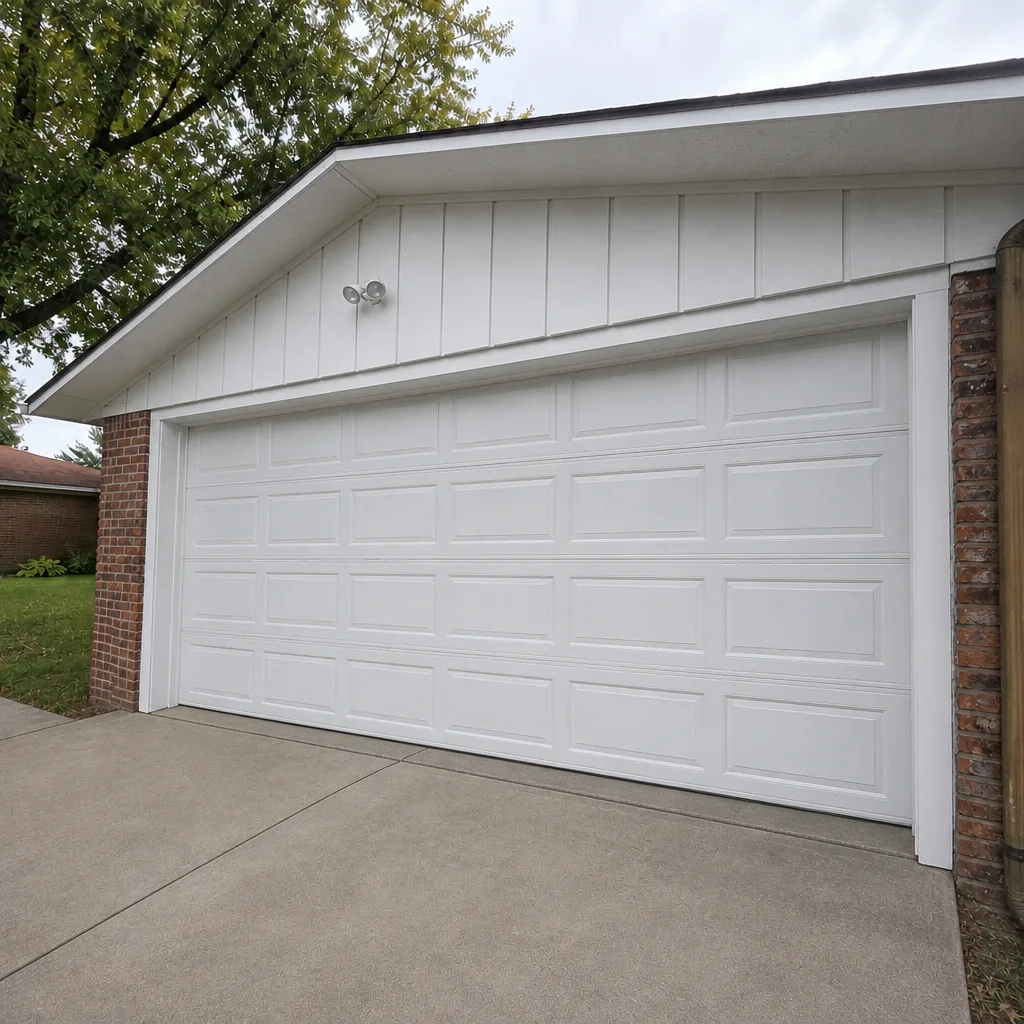
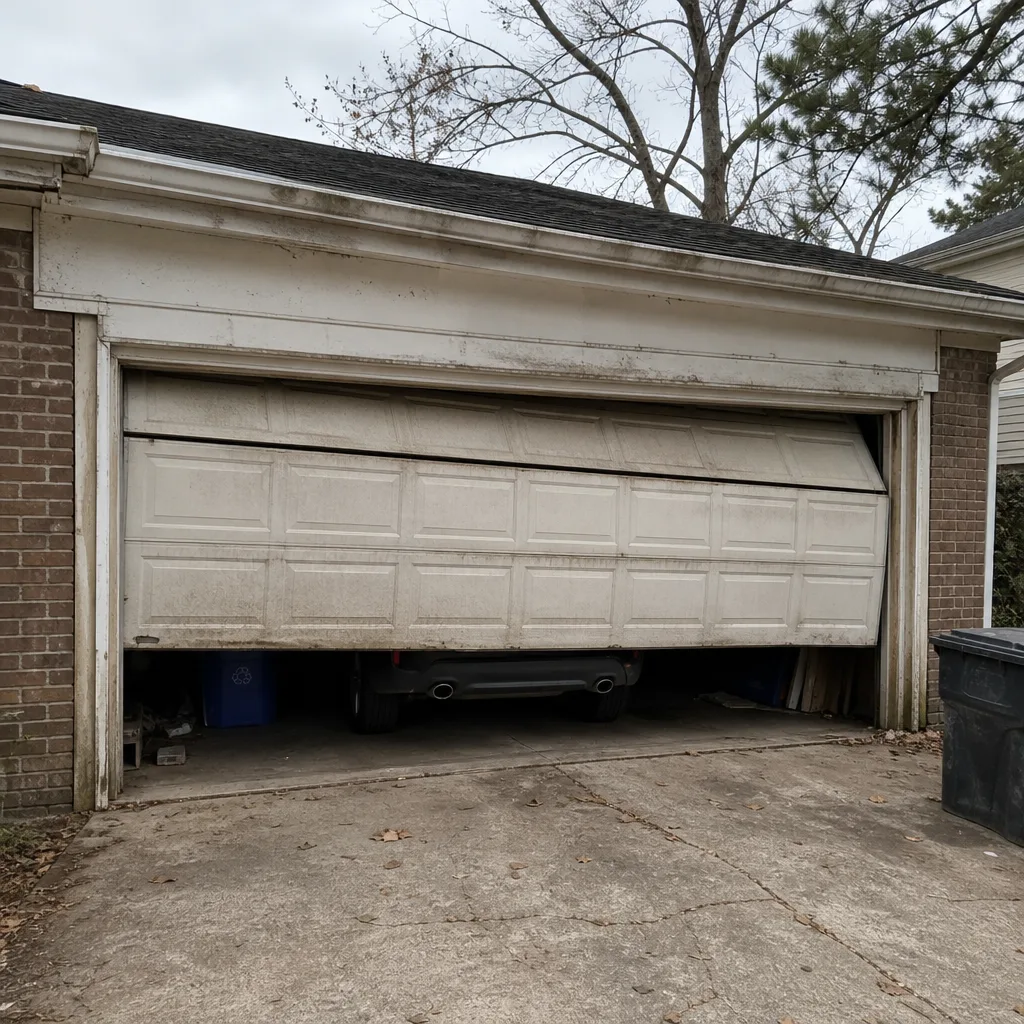
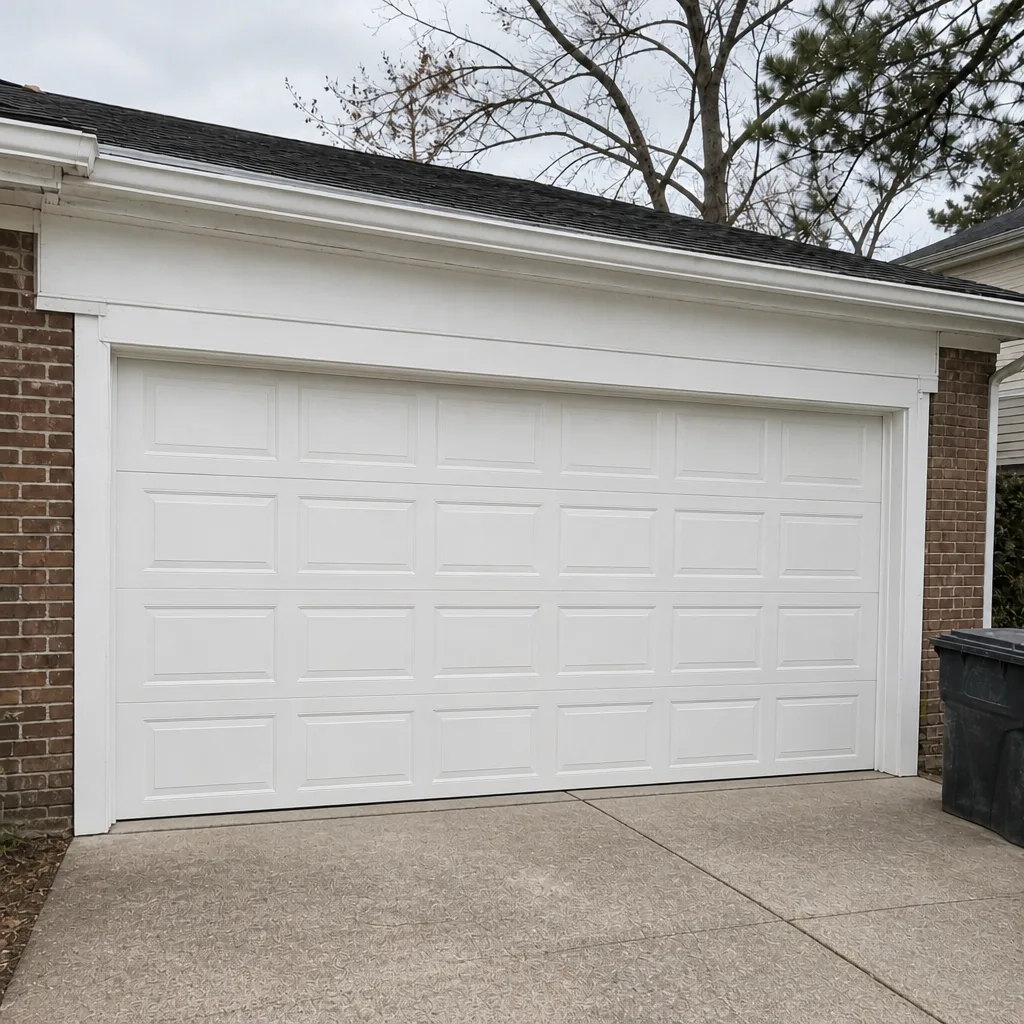
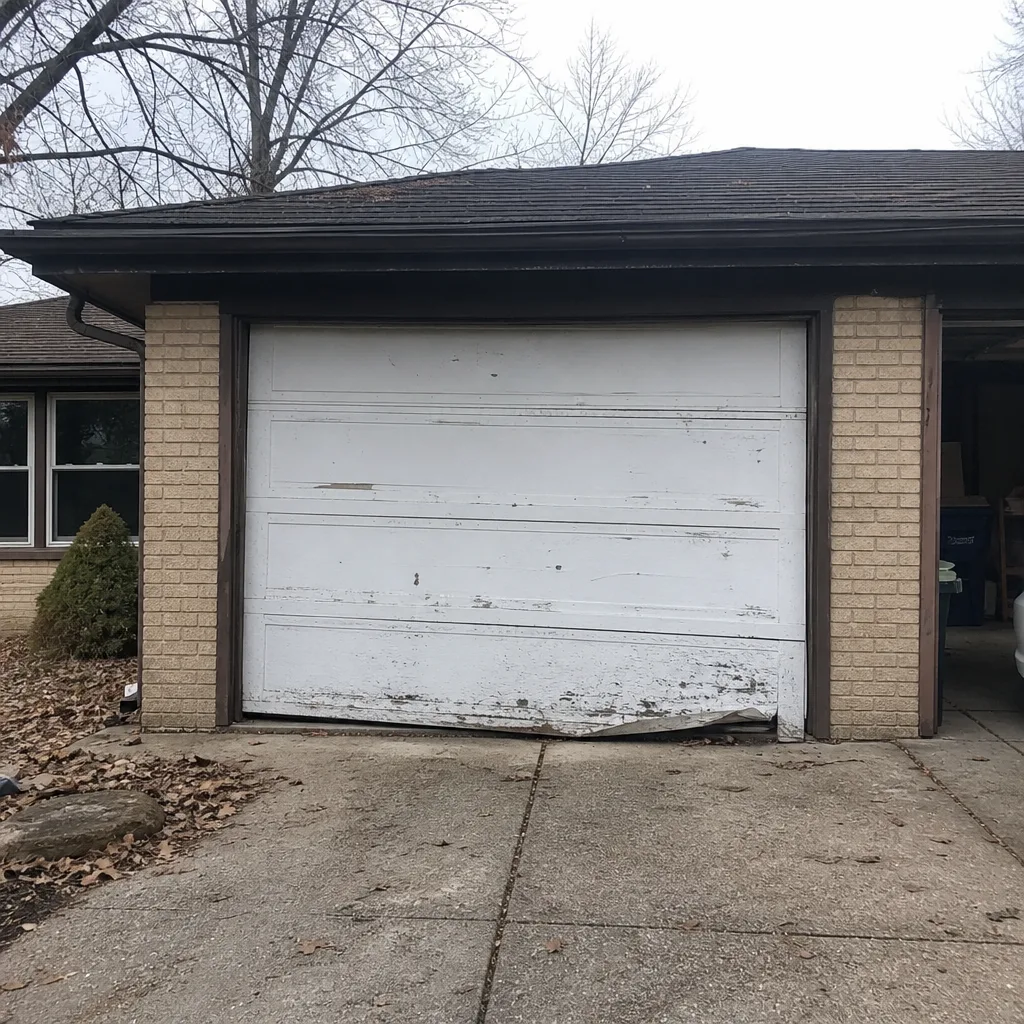
See the difference
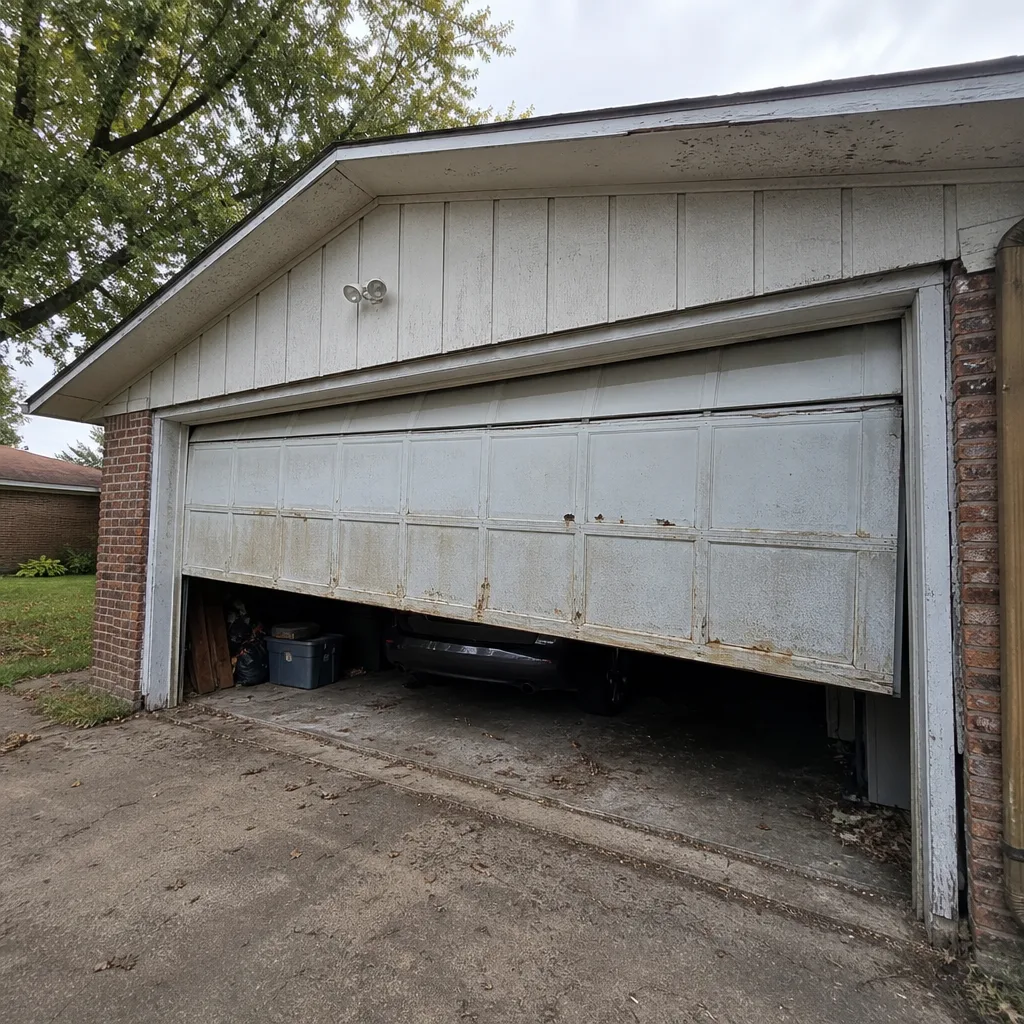 Before
 After
 Before
 After
 Before
 After
When to Call a Professional
Call a professional the moment you hear the motor run without the door moving, see a broken spring, notice a loose or frayed cable, or find the door off its track. Those four signals put the door in a state where more cycles mean more damage and more risk. A technician can diagnose the actual cause, match the right part from the van, and get you back to a safe, working door. For routine symptoms – a squeaky roller, a sensor that’s drifted out of line, a limit setting that’s slipped in cold weather – a quick professional check is still faster than trial-and-error, and it costs nothing to ask. Garage Door Repair Lindenwood Park offers free estimates in Lindenwood Park – call (866) 566-2905. The price is quoted and agreed before any work starts.
Frequently Asked Questions
It depends on the door’s size, the spring type, and whether one or both springs need replacement. A matched pair is usually replaced together, so the pair costs more than a single spring. Call (866) 566-2905 for a free estimate on your exact door – the price is quoted and agreed before any work starts.
Yes, most repair calls can be scheduled same-day. We answer 24/7, with fast dispatch from 7am to 7pm, Sunday through Friday, closed Saturday. A call outside dispatch hours is booked into the next opening. Call (866) 566-2905 and tell us what the door is doing.
No. The written estimate is the price. We quote the work and agree it with you before anything starts, so there are no surprises when the invoice arrives. If the diagnosis changes once we’re on site, we’ll explain why and re-quote before we do the work. That’s the standard on every call.
No, and that’s the trap. The blinking pattern depends on the brand and model. A LiftMaster code and a Chamberlain code can look identical but point to different causes. Get the model number off the opener’s housing, then call us – it saves a return trip and a wrong part.
Yes, the local pro who arrives is licensed and insured as their state requires. Our technicians have up to 15 years of experience, and they work on the major brands daily: LiftMaster, Chamberlain, Genie, Clopay, Amarr, Wayne Dalton, Craftsman, and Raynor. Call (866) 566-2905 for a free estimate.
It’s usually a seasonal alignment change from freeze-thaw, not a door failure. The opener’s travel limit gets tight as the track and slab shift slightly. It’s worth a professional check, because living with it wears the opener. Call (866) 566-2905 and we’ll take a look. We answer 24/7, with fast dispatch from 7am to 7pm, Sunday through Friday.
The Bottom Line
Every garage door symptom points to a specific component, and the whole art of troubleshooting is learning to match one to the other before reaching for a part. A grinding opener is not a grinding spring. A door that reverses is not always a sensor. A blinking code isn’t a universal language, and a freeze-thaw season in Lindenwood Park will shift your alignment without a single part failing. If you take away one thing from this guide, make it the safe-check line: look at the spring and cables, don’t touch them. Everything else – rollers, sensors, hinges, alignment – is either safe to check or worth a specialist’s look. When you’re ready, we’re one call away. Call (866) 566-2905. We answer 24/7. Free estimates, and the price is quoted and agreed before any work starts.
Written by the team at Garage Door Repair Lindenwood Park.