
Last updated November 21, 2026
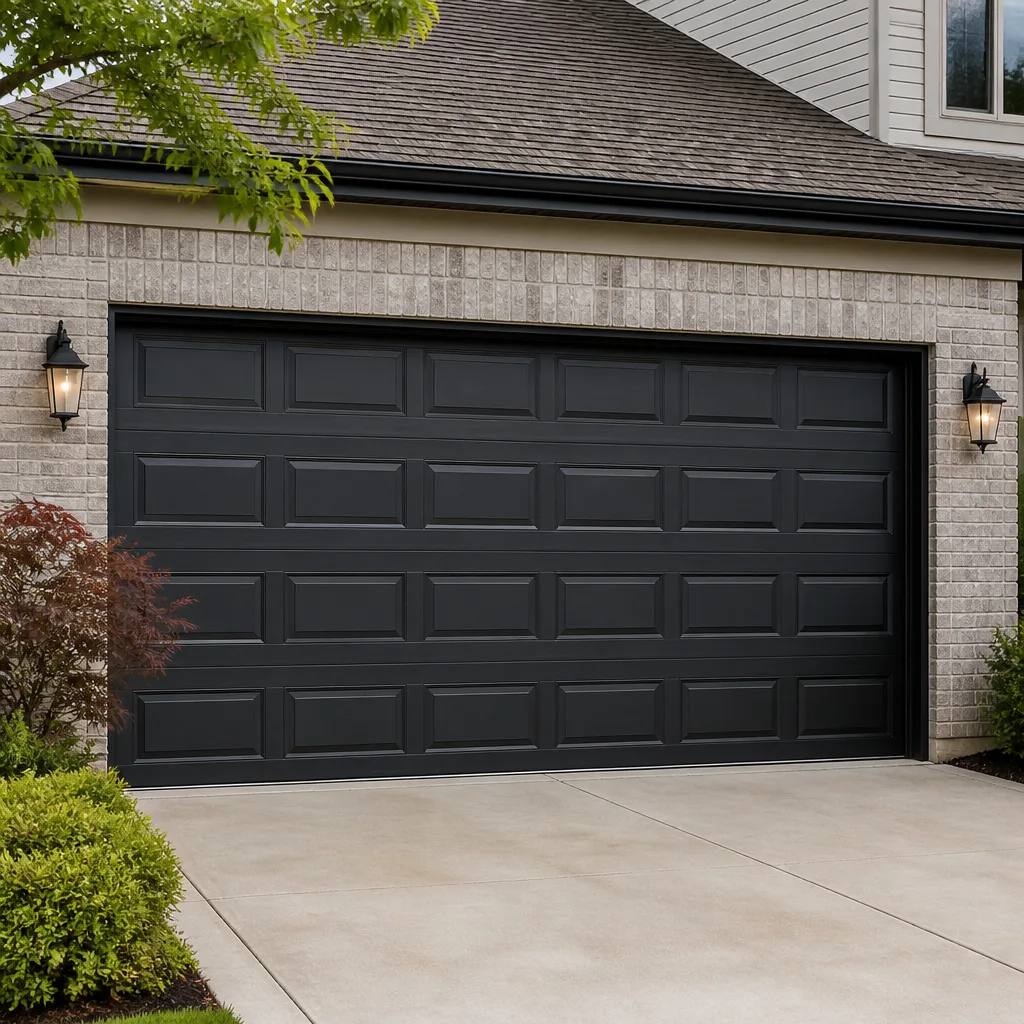 Raised-panel steel
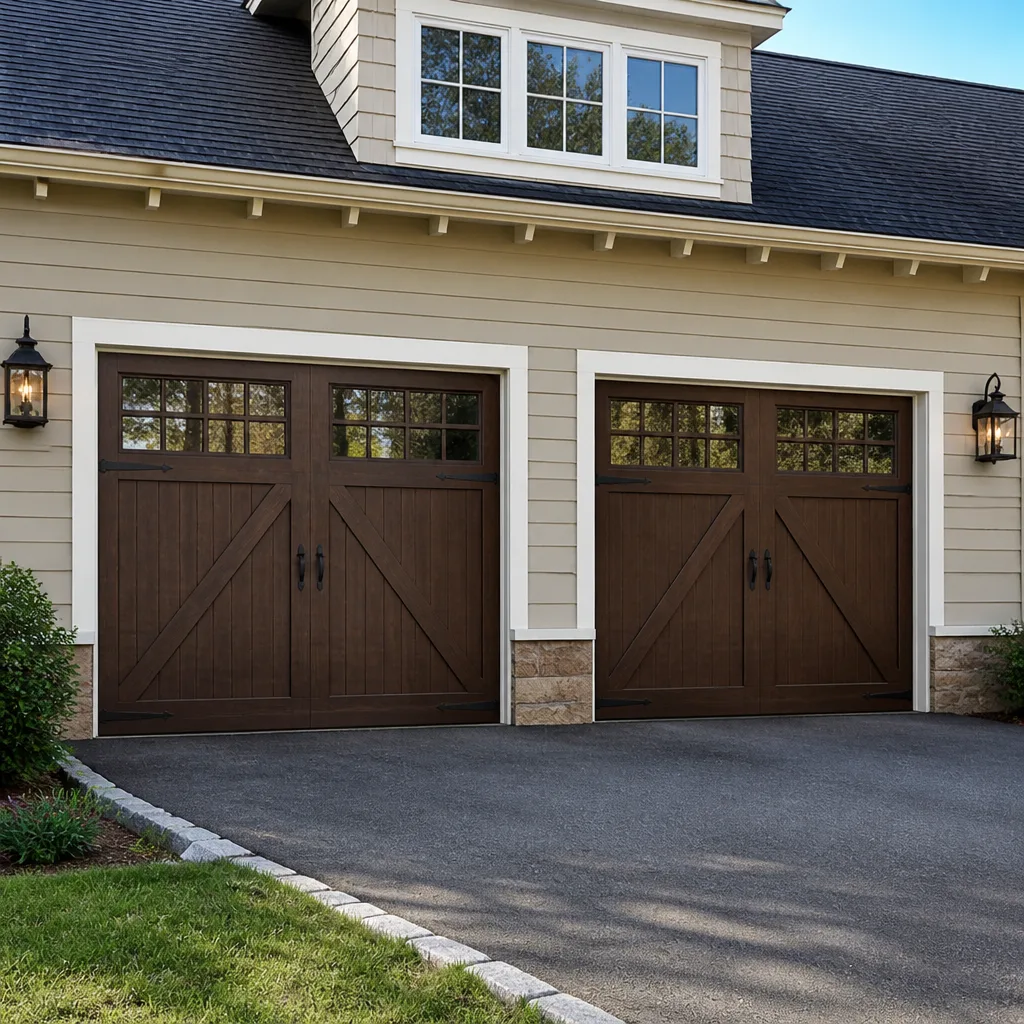 Carriage house
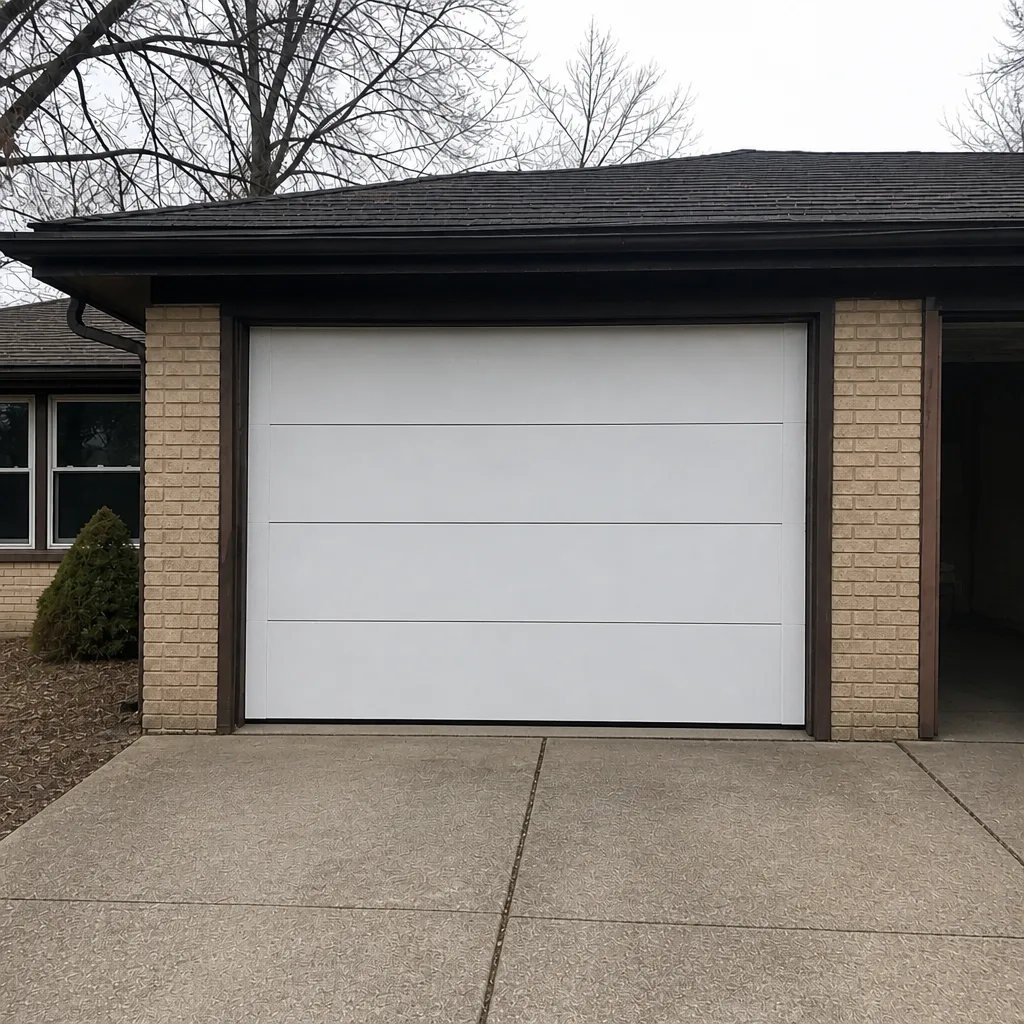
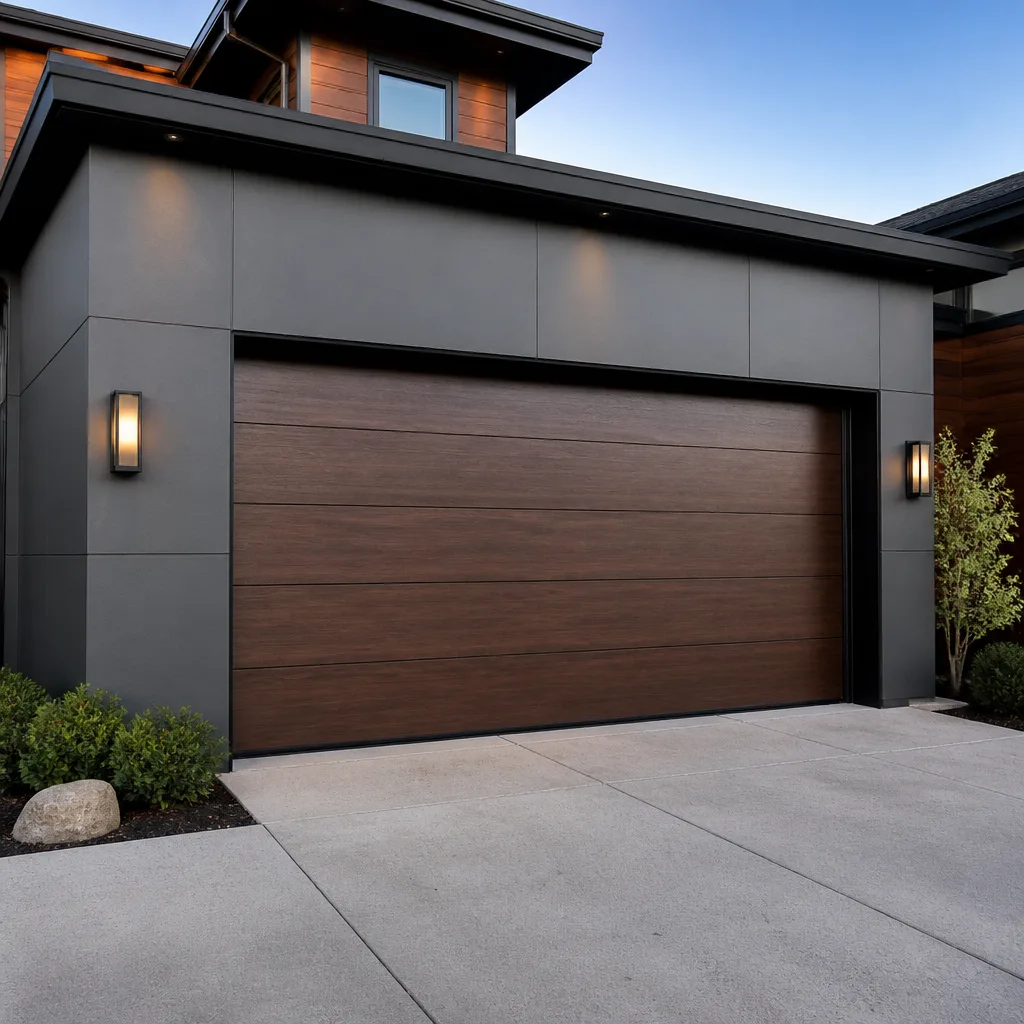 Modern flush
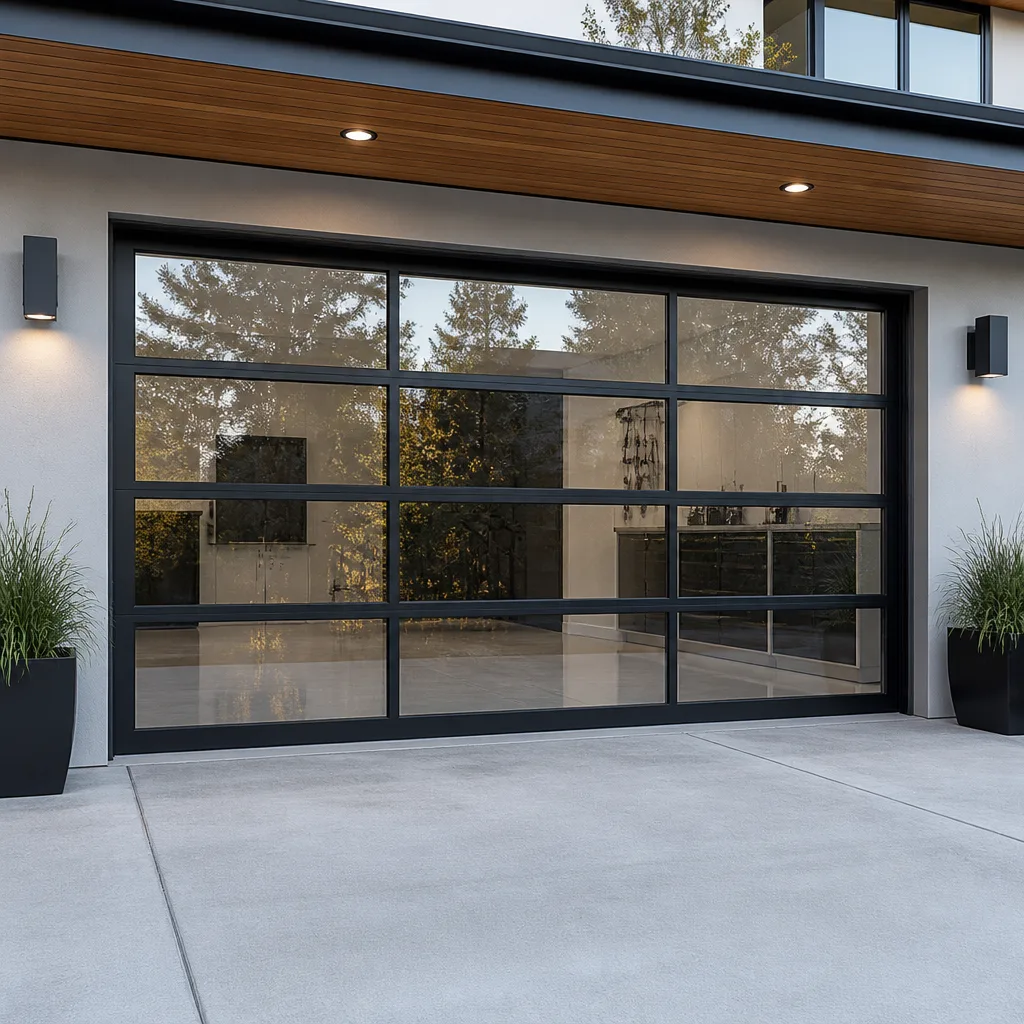 Full-view glass
 LiftMaster openers
 Chamberlain openers
Full 25-point door and opener safety check with every visit - springs, cables, rollers, tracks, and your LiftMaster or Chamberlain opener included
You get a price before we start. It does not change when the pro arrives.
Get your free estimateSeasonal Garage Door Care for Lindenwood Park: Year-Round Homeowner’s Guide
Garage door grease applied correctly in October becomes a drag on your opener motor by February. That’s the counterintuitive part most homeowners miss: the lubricant that feels smooth going on in fall can thicken past its rated temperature range once a Lindenwood Park winter settles in, and your opener pays the price in strained motor amps and sluggish travel. The reverse happens in July, when a light summer spray thins out and stops protecting the torsion hardware altogether. This guide walks through what your door actually needs across the full St. Louis temperature and humidity spread, season by season, so you’re maintaining for the climate you live in rather than a generic checklist written for a milder place.
Quick Answer
Garage door care in Lindenwood Park follows the St. Louis metro’s real swing: humid summers near 90°F, winters with repeated freeze-thaw cycles, and a spring season that does more damage to torsion springs than January does. The short version is lubricate twice a year with a product rated across your full temperature range, seal wood and bottom rubber before summer humidity, run a fall pre-freeze prep sequence, and watch the springs hardest in spring and after any stretch of up-and-down temperatures. Everything else is detail.
Styles & brands we work with
- Raised-panel steel
- Carriage house
- Modern flush
- Full-view glass
- LiftMaster openers
- Chamberlain openers
Table of Contents
- Why Lindenwood Park’s Climate Demands Its Own Maintenance Calendar
- The Right Lubricant for Our Full Seasonal Temperature Spread
- Summer Humidity: Wood Panels, Bottom Seals, and Hardware
- Fall Pre-Winter Prep Sequence
- Why Spring Is the Highest-Risk Season for Springs Here
- Storm-Season Preparation for the St. Louis Corridor
- Opener Care Through the Year
- A Month-by-Month Maintenance Calendar
Why Lindenwood Park’s Climate Demands Its Own Maintenance Calendar
A seasonal guide written for Phoenix or coastal California won’t serve a homeowner in Lindenwood Park. The St. Louis metro sits in a climate band where summer heat pushes lubricants toward the top of their tolerance and winter cold pulls metal components tight enough to change cable tension. Those two forces work against the same hardware in the same year, and the maintenance that keeps a door healthy has to account for both.
Think about what a single garage door goes through here. In July, the steel tracks and hinges warm to the touch and any grease on them thins and migrates. In January, that same steel contracts and the grease that seemed generous in fall has stiffened. In between, spring and fall bring the wide daily swings that do the most hidden work on torsion springs and cables. Those cycles matter more than any single temperature extreme.
The houses around Lindenwood Park add their own wrinkles. Many of the neighborhood’s older homes have attached garages that share walls with living space, so a door that binds or an opener that strains isn’t just a garage problem. It’s the door your family walks through every day, which is exactly why the maintenance needs to be done right the first time rather than patched and revisited. We work on garage doors as specialists, not as a trade among many, and much of that focus is reading how a specific door is responding to the climate around it.
One more local note: the freeze-thaw pattern we get, where daytime temperatures climb above freezing and nighttime drops below it, is repeated dozens of times each winter. Water works into small gaps, freezes, expands, and thaws. Metal fasteners loosen over many cycles. That’s the mechanism behind most of the “it worked fine all summer and now it’s noisy” calls that come in around the holidays.
The Right Lubricant for Our Full Seasonal Temperature Spread
This is where most Lindenwood Park homeowners get it wrong, and it’s not their fault. The lubricant that feels right in the store is often rated for a range that doesn’t match a full local year. A grease spec’d for mild climates may flow beautifully in October and then turn to a drag on your opener by February when the garage drops well below freezing. The fix is choosing a product rated for the whole spread, not just the season you’re applying it in.
Here’s the sequence we recommend, and it’s the same any month:
- Read the temperature range on the label. You want a product rated from below-zero cold through summer highs. If the label doesn’t state a range, pick a different product.
- Use a lithium-based or synthetic garage door lubricant, not automotive grease and not WD-40 as a long-term solution. Automotive grease is often too thick in cold, and WD-40 is a solvent and light lubricant, not a lasting protective film.
- Apply sparingly to the torsion springs, hinges, rollers, and the opener rail. A light film is enough. Excess attracts dust and grit, which turns into grinding paste over a season.
- Wipe off any drips immediately. Grease that runs onto wood panels or the concrete below can stain, and on painted steel it can lift the paint over time.
- Cycle the door a few times after application and listen. Smooth and quiet means you’ve got it right. Grinding or a dragging sound means something else needs attention.
Twice a year is the right cadence: once in spring after the winter cold has worked everything loose, and once in fall before the first hard freeze. That timing matters more than the total amount you apply. If you’ve been treating lubrication as a one-and-done task, that’s the single most common reason a door starts to feel heavy.
One safety note that carries real weight: never lubricate the inside of the torsion spring coils while the door is under load, and never try to adjust the springs or cables yourself. Torsion springs hold enormous stored energy and can cause serious injury. Lubrication is a homeowner task. Spring tension is not.
Summer Humidity: Wood Panels, Bottom Seals, and Hardware
St. Louis summer humidity is real, and it’s the silent cause of most of the wood panel and bottom-seal problems we see in Lindenwood Park. Wood absorbs moisture and swells, and when it dries it shrinks. Repeated over a summer, that cycle opens up finish cracks, loosens panel joints, and eventually distorts panels enough that they bind at the edges.
The fix is preemptive and doesn’t take long:
- Inspect wood panels before the humid stretch begins. Look for checking, small hairline cracks, or lifted finish. Anything you can catch before the moisture load climbs gives you time to seal it properly.
- Reapply a penetrating exterior sealer to wood doors every year or two, depending on how the finish is holding up. Painted wood needs touch-up where the paint has thinned or chipped.
- Check the bottom seal and threshold. A bottom rubber that has hardened with age won’t flex against the concrete and lets humid air and water underneath. If it’s brittle or visibly cracked, it needs to be replaced, and that’s a same-visit parts swap for the common profiles.
- Look at the weather seal along the sides and top, especially on doors that face the prevailing summer weather. Loose or torn seal stripped away by wind and heat lets moisture in behind the door.
- Coat hinges and rollers again after the hot, humid stretch. Summer heat thins the film you applied in spring, and humidity does the rest.
Our technicians have up to 15 years of experience and much of that is watching how different door materials respond to the same climate. What we’ve learned is that a wood door left unsealed through one Lindenwood Park summer can develop issues that cost far more to correct than a little annual prep. Our Garage Door Repair Lindenwood Park service is a phone call away when you need a hand.
Fall Pre-Winter Prep Sequence
Fall is the season that sets up your door to get through the winter, and the timing should follow the average first hard freeze. Don’t wait for the first genuinely cold morning. Plan on getting this done well before that, while the weather still allows careful work and before the metal has already contracted.
- Run the lubricant pass for the coming cold. Use the full-range product from the previous section, applied sparingly to springs, hinges, and rollers. This is your winter grease, not a summer film.
- Check the balance of the door. With the door closed, pull the release handle and lift the door to halfway. A balanced door holds there with just a little resistance. A door that slams down or fights you going up is telling you the springs have lost tension and need a professional look.
- Inspect the bottom seal and threshold. This is the barrier against cold air and snowmelt. Replace any bottom rubber that’s hardened, cracked, or pulling away.
- Look at the door’s weatherstrip on all sides. Cold air leaks cost energy, but more importantly, moisture that gets in and freezes does real damage to the inside face of the door.
- Test the safety reverse. Put an object under the closed door’s path and run the opener. It should reverse on contact. Then test the photo-eye sensors by blocking them and confirming the door won’t close. If your opener is a LiftMaster or Chamberlain, the diagnostic LED on the back of the unit will usually tell you what’s wrong if it fails.
- Clean the tracks and tighten visible fasteners. Track and bracket bolts loosen over the year. A quick tightening now saves rattles and misalignment in the cold.
- Test the opener’s force settings. Cold stiffens a door, and an opener set right at its limit in summer can strain or refuse in winter. If yours has adjustment screws, follow the manual. If you’re not sure, that’s a job for a pro.
If the door or opener fails any of these checks, the right move is garage door repair rather than guessing. Small issues caught in October don’t become a family stuck in the car in an ice storm.
Why Spring Is the Highest-Risk Season for Springs Here
Homeowners assume winter cold is what snaps torsion springs. In this region, the highest-risk season is actually spring, and here’s why. Springs are under constant tension, and cold contracts the steel, cold-stiffens the grease, and tightens cable tension. Then spring arrives and the daily temperature climbs fast. Metal expands and contracts at different rates across the day, stress cycles pile up, and a spring that survived January’s cold without complaint can give out on a sunny 65°F afternoon.
What we watch for in Lindenwood Park as spring arrives:
- A loud bang from the garage followed by a door that won’t open or is suddenly very heavy. That’s the classic spring-snap signal.
- A gap in the spring coil where the wire has separated. If you can see it, the spring is done.
- A door that lifts a few inches and stops when the opener runs. The opener is trying to lift a door with no spring assistance.
- Cable slack on one side, or a door that visibly hangs low on one corner when closed.
- Repeated opener strain and overheating, often on a LiftMaster or Chamberlain that starts tripping its internal thermal cutout as it fights a failing spring.
If you spot any of these, stop operating the door and call before doing anything else. Spring replacement is one of the most dangerous garage door repairs, and it’s not a task to attempt. Both springs in a pair are usually replaced together, since they wear together. That’s a job where a trained technician with the right winding bars is the only sensible plan. When you do call, having your door’s make and model helps. If it’s a Clopay, Amarr, Wayne Dalton, Raynor, Craftsman, Genie, LiftMaster, or Chamberlain, we’ll know the parts before the visit. A dedicated garage door opener repair visit can also confirm the opener itself hasn’t been damaged by trying to lift a failed-spring door.
Storm-Season Preparation for the St. Louis Corridor
The St. Louis corridor gets its share of severe storm activity each year, and a garage door is one of the most exposed large surfaces on the house. Wind gets under the top panel, pressure builds, and a door that’s fine in a light breeze can be at risk in a strong straight-line gust. There’s no way to guarantee a door against a severe storm, but there’s a lot you can do to reduce risk and to know when to call.
Before storm season:
- Check the vertical reinforcement on the inside of the top panel, and make sure the strut isn’t bent or missing fasteners. If you have a lightweight door on a wide opening, talk to a technician about whether reinforcement makes sense.
- Confirm all hinges and rollers are sound. In a strong gust, a loose hinge is the first thing to let go.
- Verify the opener’s safety reverse and photo-eye function. Storms mean power interruptions, and a surge can put an opener into a strange state. A quick test now saves confusion later.
- Tighten track brackets. Wind and vibration loosen them, and a track that’s out of alignment can pop a roller in the middle of a storm.
- Look at the seal along the sides and top. Wind-driven rain penetrates gaps. New seal is one of the simplest storm-season upgrades.
After any severe weather, walk the door before operating it. Cracked panels, bent tracks, dangling cables, or a visibly displaced spring all mean stop and call. Operating a storm-damaged door can turn a fixable problem into a full-door replacement, and our garage door installation work goes smoother when it doesn’t have to undo poorly repaired storm damage first.
Opener Care Through the Year
Your opener works harder than most people realize, and in Lindenwood Park it works against both humid summer air and cold winter grease. The single best thing you can do for any opener, whether it’s a LiftMaster, Chamberlain, Genie, or another brand, is keep the door itself easy to move. An opener that has to drag a stiff door is an opener on borrowed time.
Four seasonal touches stand out:
- Spring: clean the opener housing vents and check the safety reverse and photo-eye function. Dust and pollen can block the sensors. If the sensors are misaligned by a winter bump, the door will refuse to close.
- Summer: clean the opener’s rails and apply the light coat of full-range lubricant. Look at the LED diagnostic on the back of the unit. A blinking pattern usually corresponds to a specific fault listed in the manual. If it disagrees with the manual, call a technician.
- Fall: test the manual release so you know it works if the power drops. Tighten the belt or chain tension according to the manual. If the opener has force adjustment screws, follow the manual carefully, or have a technician set them.
- Winter: listen for new sounds. Grinding, a repeated click without movement, or a slow start under cold all point to strain. A door that fights in winter is a door that needs service on the door, not on the opener.
Smart-connected openers add one more task: check that firmware updates are applied and the app still reports correct states. A stuck app channel or a disconnected bridge can make the door seem broken when it’s not. Our technicians work on the most common openers in residential use every day, so nothing about yours is a puzzle when we arrive.
A Month-by-Month Maintenance Calendar
A calendar on the wall is the simplest way to make seasonal care stick. Here’s the cadence that works for Lindenwood Park’s climate.
- March-April (spring thaw): post-winter lubrication pass, balance check, spring and cable inspection, safety reverse test, sensor clean, listen for grinding.
- May (pre-humidity): seal wood panels and touch up painted surfaces, check and replace bottom seal if hardened, reapply seal along sides and top, tighten track brackets.
- June-July (peak heat): test opener under warm conditions, clean vents, verify photo-eye function, check that hinges and rollers aren’t dry.
- August (pre-storm and pre-fall): verify reinforcement on top panel, confirm all rollers and hinges, tighten visible fasteners, walk the door for any new noise.
- September-October (pre-freeze): full pre-winter sequence from the fall section above, well before the first hard freeze.
- November-December (first cold): listen for new sounds, verify the bottom seal is still flexing, test the manual release, retest safety reverse.
- January-February (deep cold): leave lubrication alone, watch for sluggish operation, treat any thinning lubricant or binding as a sign the door needs a service call.
- Any month after a storm: walk the door and check panels, tracks, cables, and springs before operating.
Print it, stick it inside the garage door frame, and the maintenance stops being a thing you remember. It becomes a thing that just happens.
Common Mistakes to Avoid
- Using automotive grease or WD-40 as a permanent lub. Grease rated for engine temperatures is often too thick at 20°F, and WD-40 evaporates quickly. Both leave you with a door that fights in the cold, and neither lubricant serves both halves of the St. Louis year.
- Lubricating once and forgetting. The single-pass approach doesn’t cover a climate that swings from humid summer to freeze-thaw winter. Twice a year, in spring and fall, is the minimum for this region.
- Waiting for a spring snap before calling. Springs often give a warning in the weeks before they fail: a slightly slower lift, one side that seems to do more work, a new sound on opening. Catching it earlier means you’re not stuck with a dead door.
- Ignoring wood panel checking in summer. A small finish crack in June becomes a swollen joint in August. Lindenwood Park humidity makes the cycle faster than most people expect, so pre-season sealing matters.
- Replacing only one spring in a pair. The two springs share the load. When one fails, the other is near the end of its life. Doing both at once saves a second visit and keeps the door balanced.
- Trying to adjust torsion springs yourself. Every trained technician we work with treats this as the dangerous work it is. Springs under load can cause serious injury, and a door that snaps back can be worse than the original problem.
- Chasing every rattle with bigger force settings on the opener. If your LiftMaster or Chamberlain needs more force to close than it used to, that’s a door-side problem, not an opener-side one. Turning up the force hides the issue until something breaks.
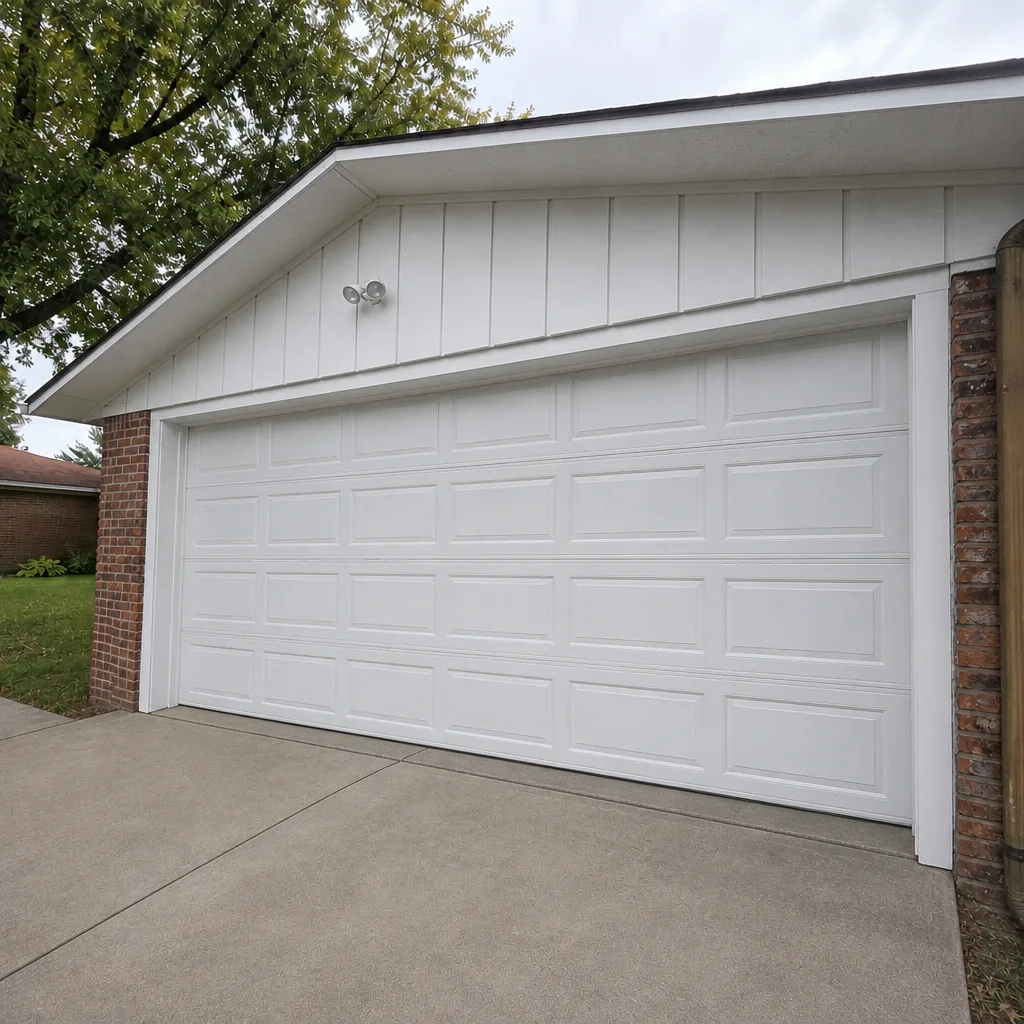
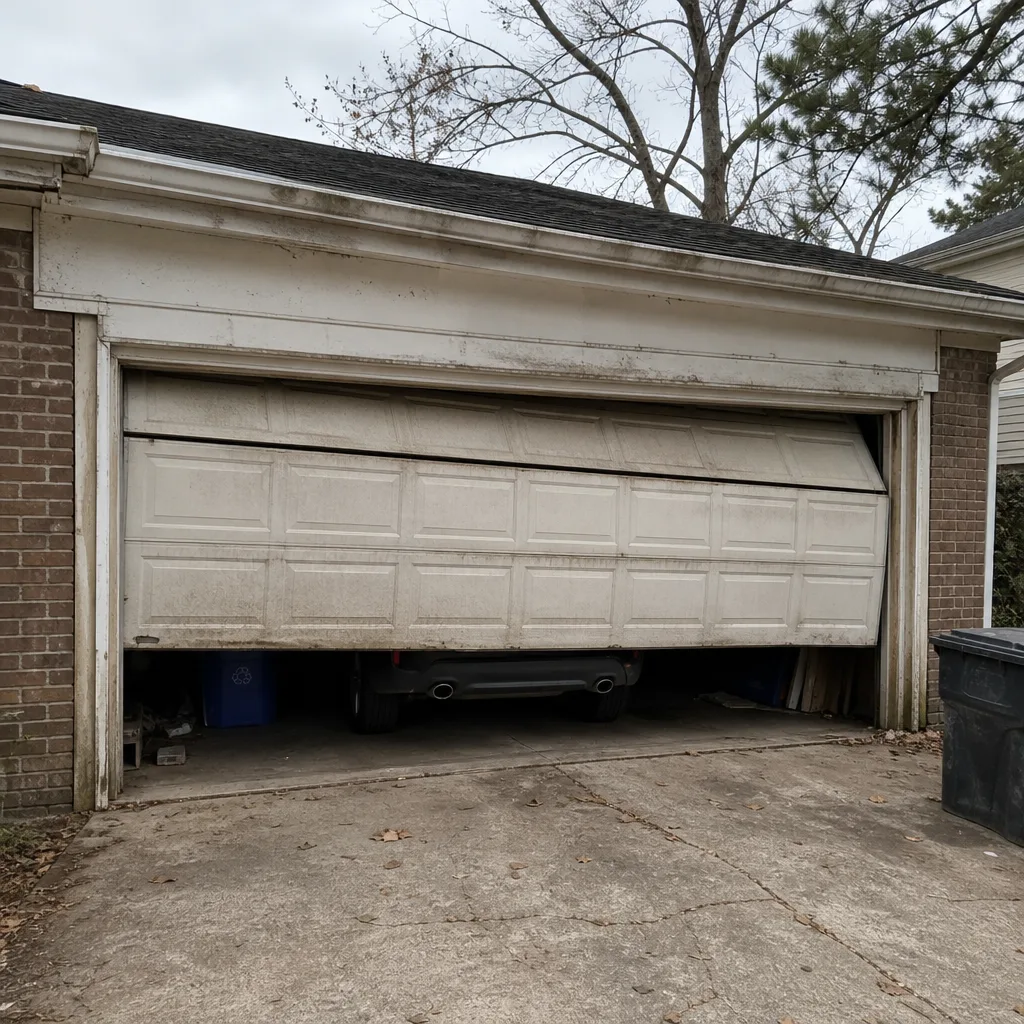
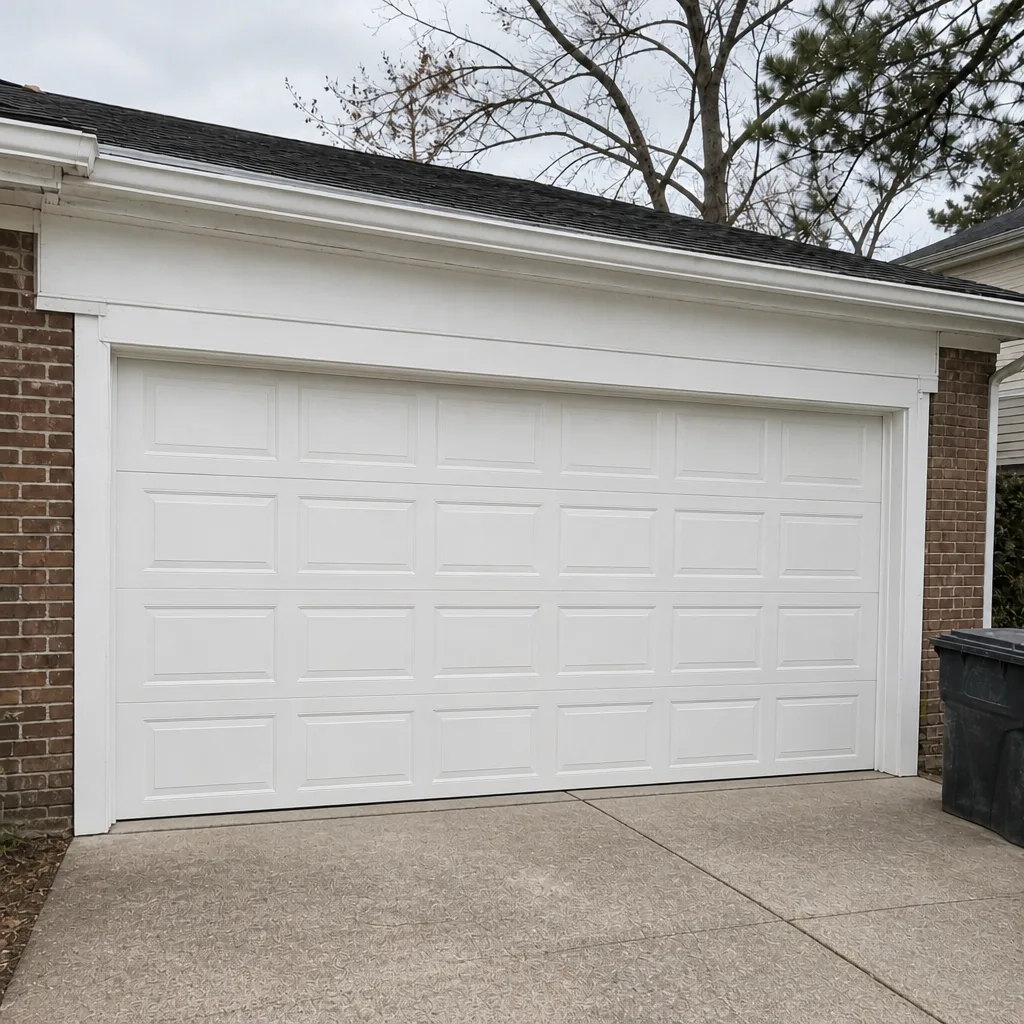
See the difference
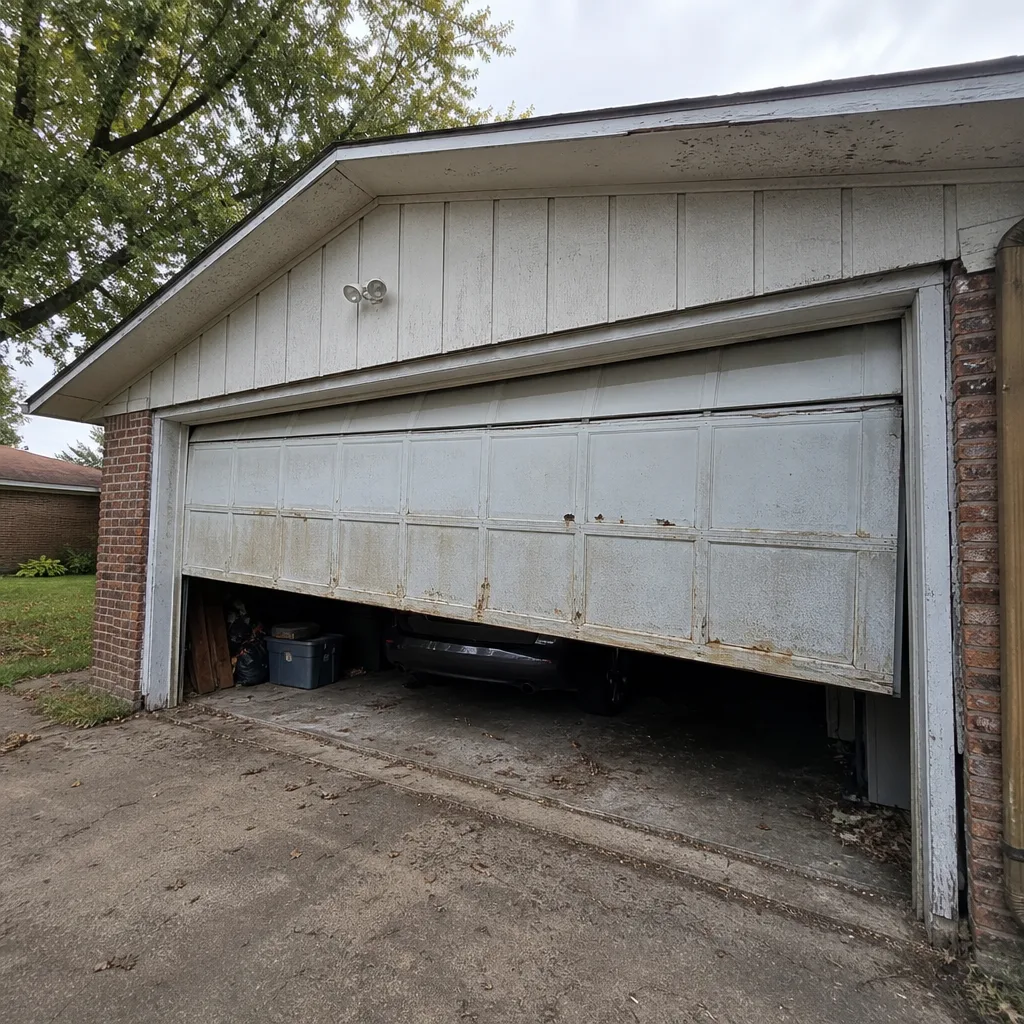 Before
 After
 Before
 After
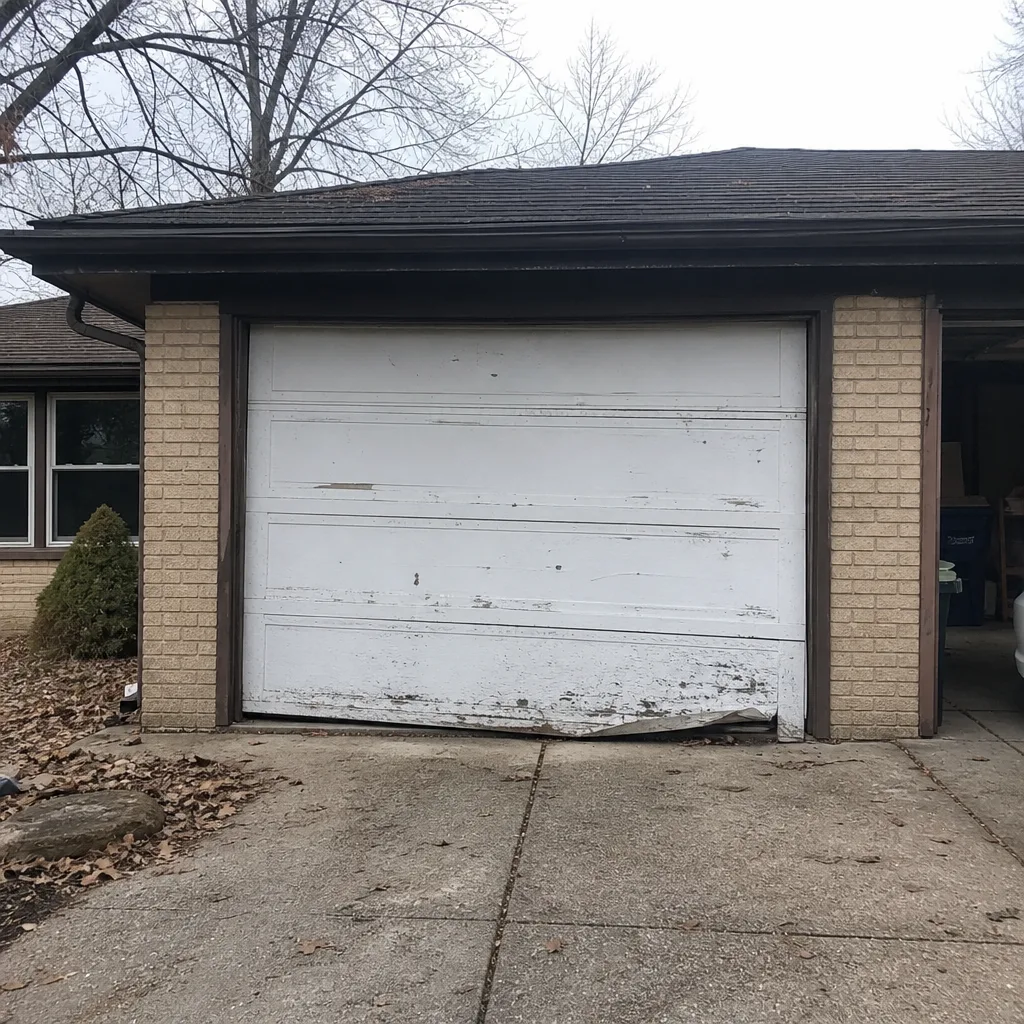 Before
 After
When to Call a Professional
Some jobs are homeowner-friendly: a light coat of correct lubricant, new bottom seal, a wipedown of tracks. Others fall clearly into professional territory. Call us for a snapped or stretched torsion spring, a door that hangs crooked, a cable that’s loose or visibly kinked, a track that’s bent, panels that are cracked or separated, or an opener that has started to overheat, restart, or trip its breaker. Any door that suddenly moves heavier than yesterday needs a look before it’s used again. In Lindenwood Park, Garage Door Repair Lindenwood Park offers free estimates in Lindenwood Park – call (866) 566-2905. We answer 24/7, fast dispatch from 7am to 7pm, Sunday through Friday. The price is set per job by the written estimate, so the number we quote is the number you’ll see when the invoice arrives. Our technicians have up to 15 years of experience and we work across the eight leading brands in residential use, so your door isn’t a surprise when we arrive.
Frequently Asked Questions
Twice a year: once in spring after winter cold has worked the hardware loose, and once in fall before the first hard freeze. The rule matters more than the amount applied. A full-range product rated from below-zero cold through summer heat is what makes those two passes work in our climate. If you’ve only been applying a light summer spray in July, you’re missing the half of the year that does the most damage. Call (866) 566-2905 for a free estimate if the door feels heavier than it used to.
Spring is the highest-risk season for spring snaps in Lindenwood Park because the repeated expansion and contraction of metal is harder on a torsion spring than steady cold. Springs survive winter at a constant low temperature better than they survive the wide temperature swings of March and April. The daily freeze-thaw cycles we get here add up, and a spring near the end of its life will often let go on a warm day following a cold night. If your door stops working, stop operating it and call (866) 566-2905. A matched pair of springs is the standard fix.
Use a lithium-based or synthetic garage door lubricant rated across the full temperature range of a local year, from below-zero cold to summer heat. Automotive grease and WD-40 don’t belong on a door that sees this kind of swing. Apply sparingly to the springs, hinges, rollers, and opener rail, and wipe up any drips. Never try to adjust the springs yourself; that’s a job for a trained technician because of the stored energy in the spring. Call (866) 566-2905 if you want a same-day check.
Before storm season, check the top panel’s vertical reinforcement, tighten track brackets, verify the safety reverse and photo-eye sensors, and inspect the seal along the sides and top. After any severe weather, walk the door before operating it. Cracked panels, bent tracks, hanging cables, or displaced springs all mean stop and call. Operating a damaged door turns a fixable problem into a bigger one. Call (866) 566-2905 for a free estimate.
No. Torsion spring replacement is one of the most dangerous repairs in residential construction because the spring holds significant stored force. Even experienced homeowners should not attempt it. Our technicians replace springs with the right winding bars, in matched pairs, as standard practice. This is garage door repair that belongs in the hands of a specialist. Call (866) 566-2905. We answer 24/7, fast dispatch from 7am to 7pm, Sunday through Friday.
Sometimes, yes. Cold stiffens the door, and an opener set right at its force limit in summer can struggle in winter. If your opener works in the warm months and stalls in the cold, the right move is usually to service the door, not to turn up the opener’s force. Keep the door easy to move and the opener has nothing to fight. A dedicated garage door opener repair visit can also sort out a bad sensor or a firmware issue. Call (866) 566-2905 for a free estimate.
The Bottom Line
Seasonal garage door care in Lindenwood Park is about matching the maintenance to our actual climate rather than a generic checklist. Lubricate twice a year with a full-range product. Seal wood and bottom seal before the humidity climbs. Run the fall prep sequence well before the first hard freeze. Watch the springs hardest in spring, not winter. And prep for storm season before the storms arrive. If a snap, shift, or new sound shows up, calling early is always cheaper than calling late. Our team works on the eight leading brands with the parts on hand to fix it right the first time. And if you’re thinking ahead to a new door, our garage door installation team can help you plan for the long run.
Ready for a professional opinion on the condition of your door? Call (866) 566-2905 for a free estimate from Garage Door Repair Lindenwood Park. We answer 24/7, fast dispatch from 7am to 7pm, Sunday through Friday, and the price is agreed in writing before any work starts.
Written by the team at Garage Door Repair Lindenwood Park.