
Last updated November 21, 2026
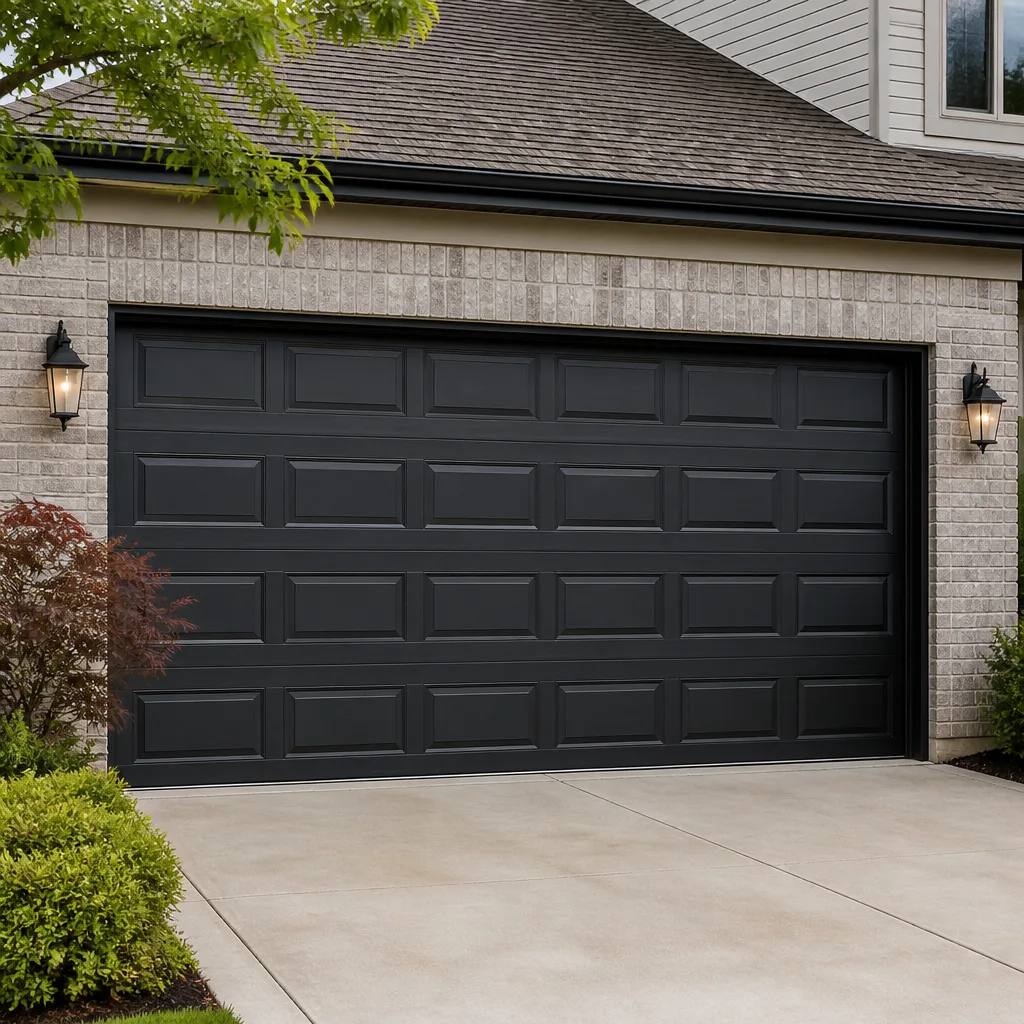 Raised-panel steel
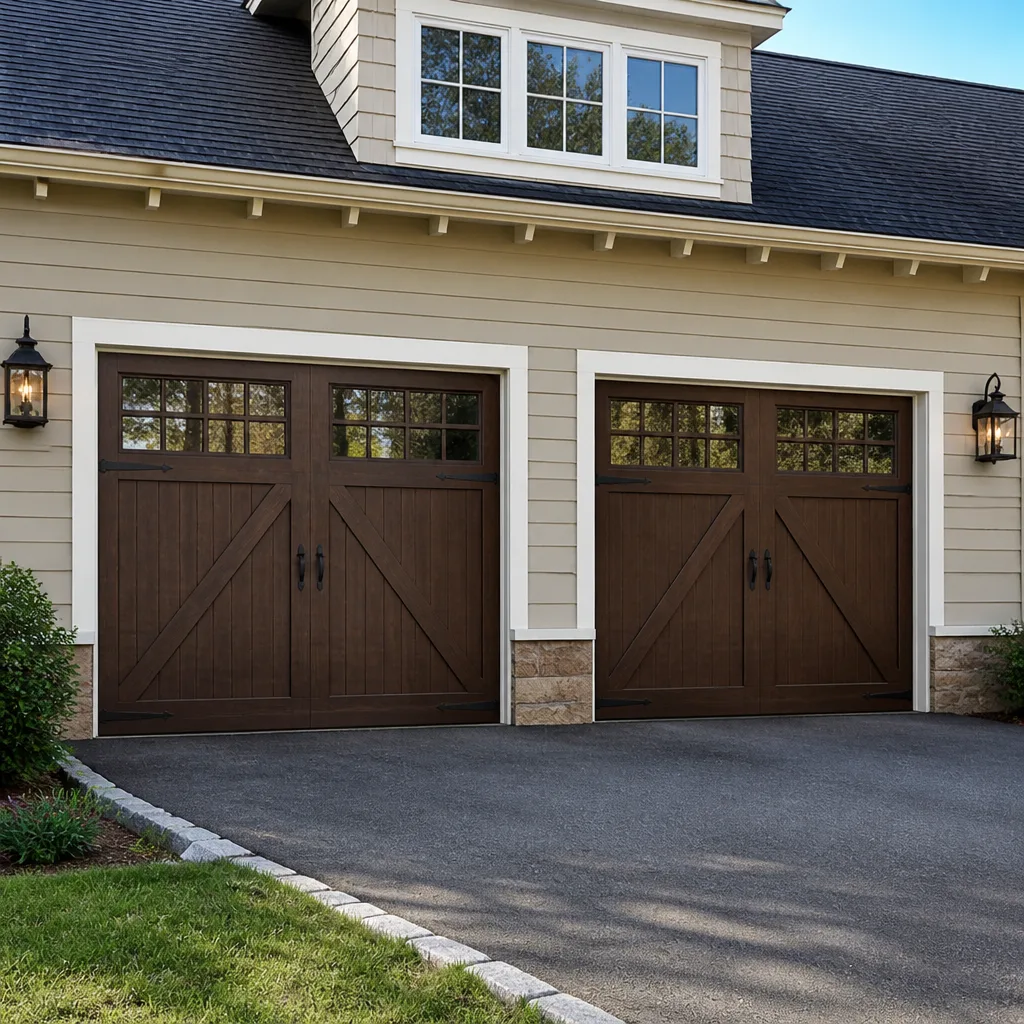 Carriage house
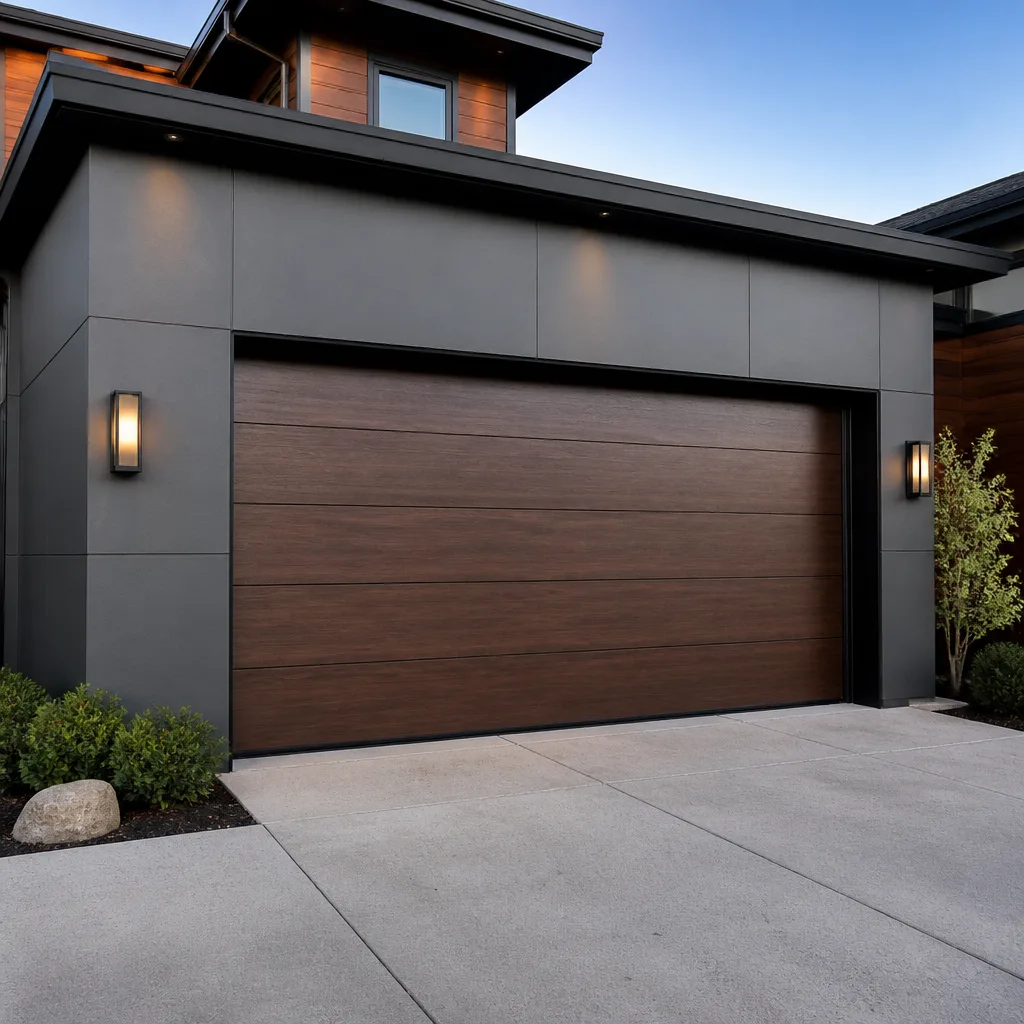 Modern flush
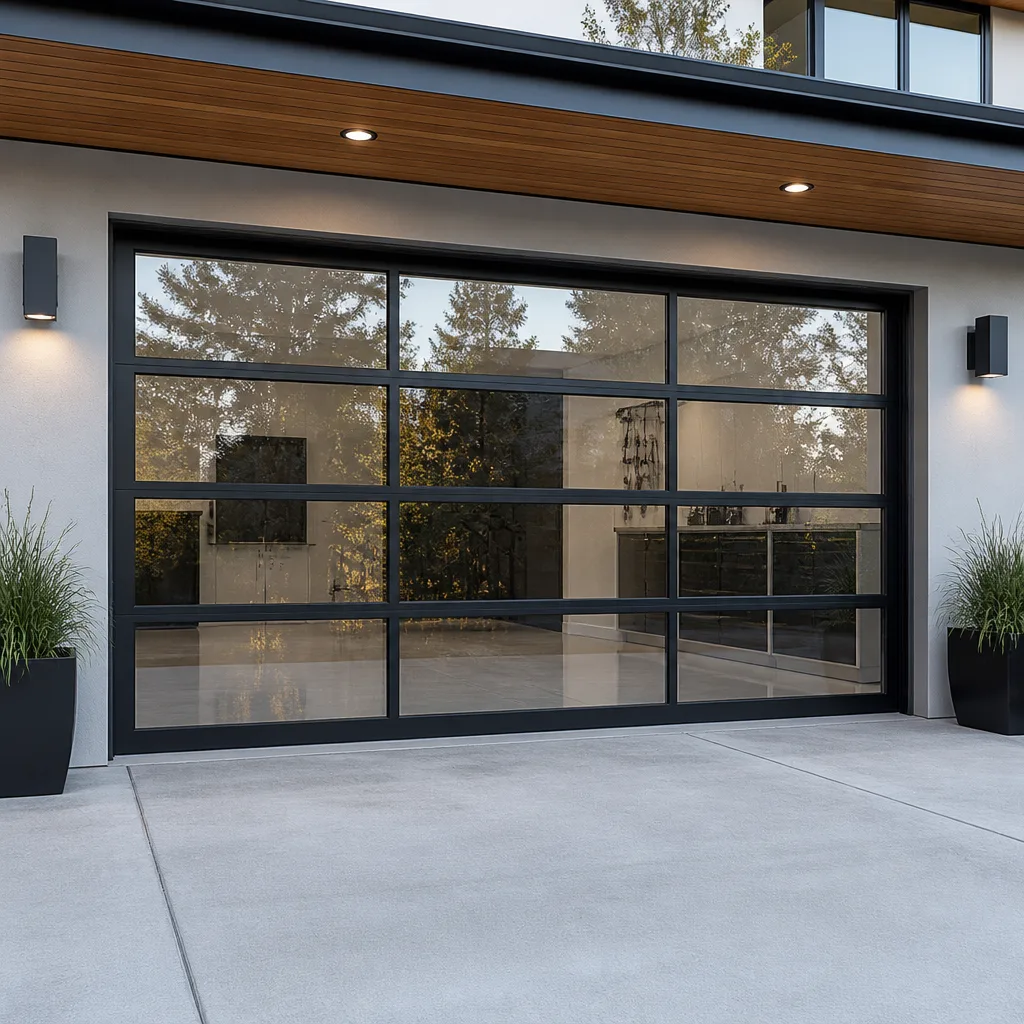 Full-view glass
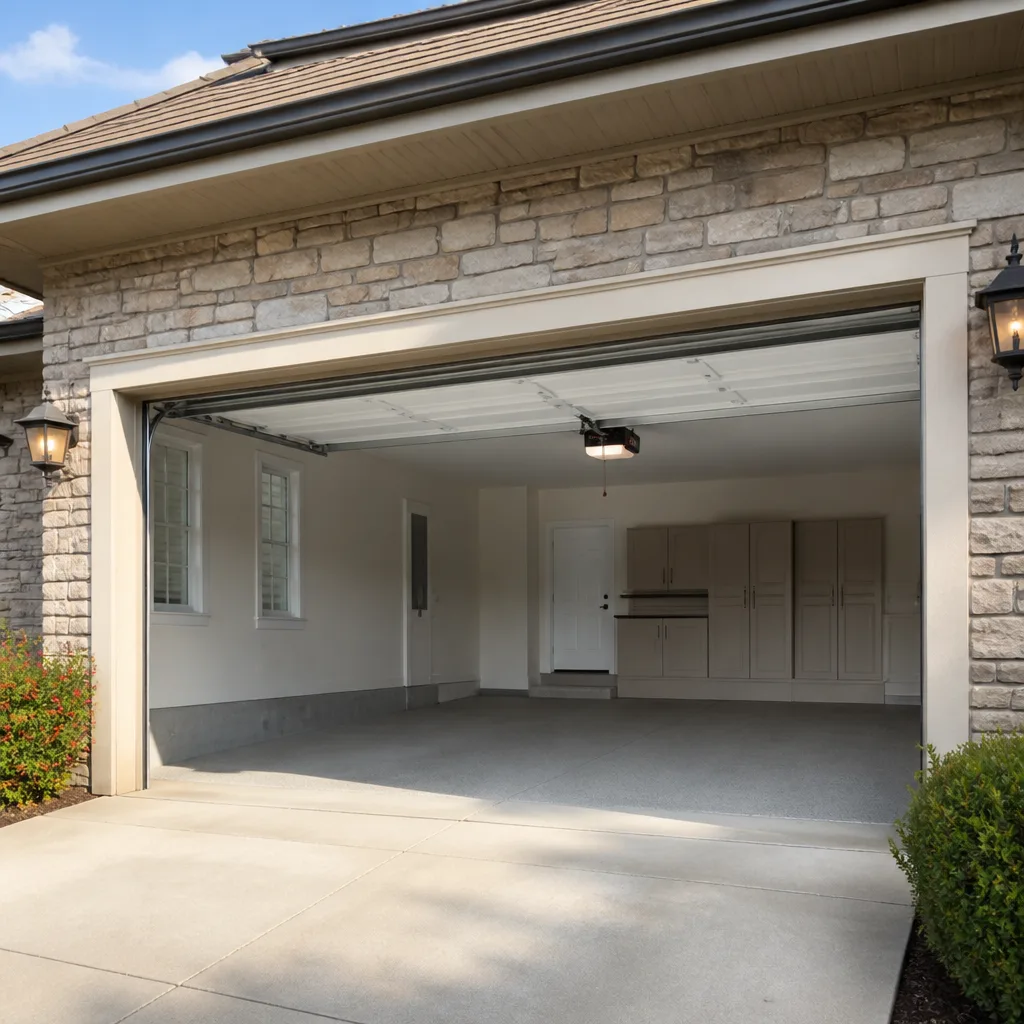 LiftMaster openers
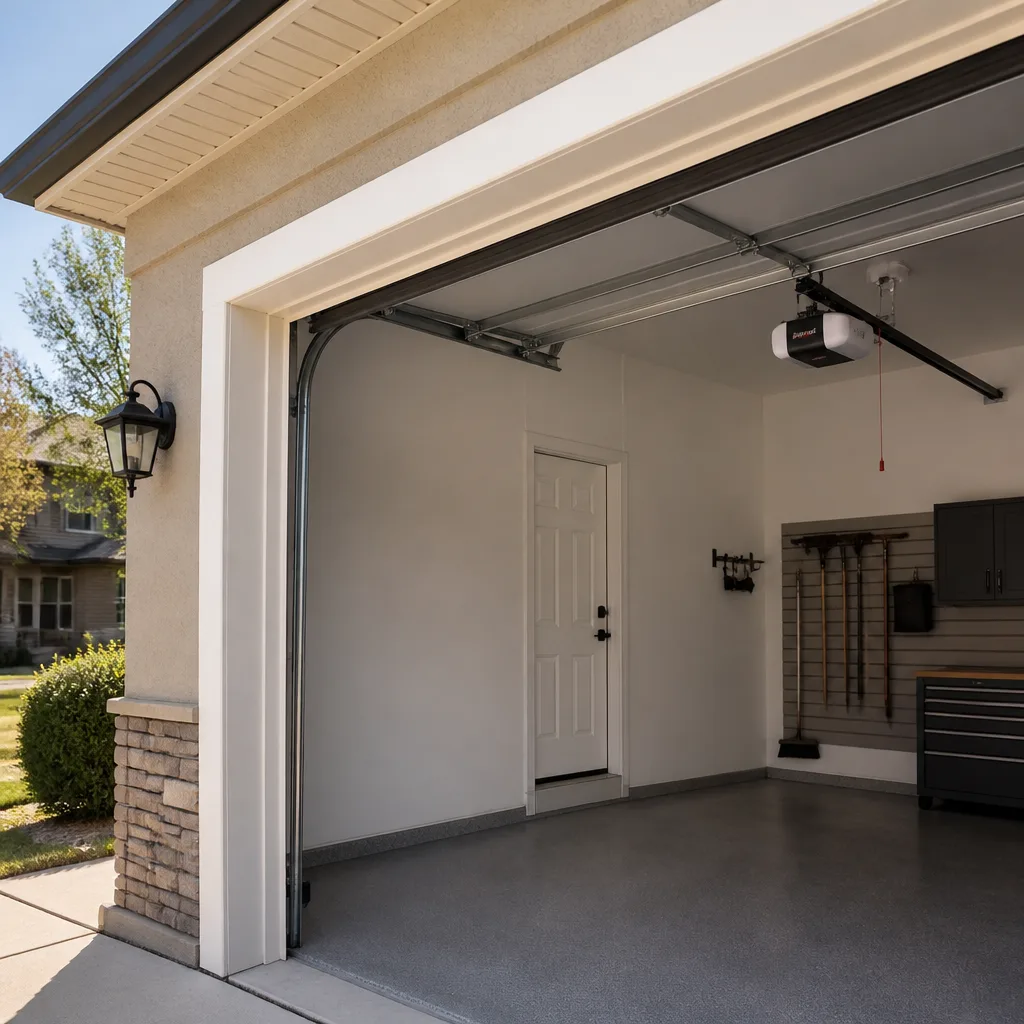 Chamberlain openers
Full 25-point door and opener safety check with every visit - springs, cables, rollers, tracks, and your LiftMaster or Chamberlain opener included
You get a price before we start. It does not change when the pro arrives.
Get your free estimateHow to Hire a Garage Door Contractor in Lindenwood Park: A Step-by-Step Guide
A contractor who lists “garage doors” as one of fourteen services on their website has almost certainly never stocked the spring sizes or cable drums that the brands in Lindenwood Park homes actually use. That’s the uncomfortable truth most hiring guides skip past. Garage door work looks simple from the driveway and isn’t. It combines high-tension springs, weighted panels, and opener electronics that change by brand and generation. So the person you hire matters more here than almost any other home repair.
This guide gives you the vetting framework a knowledgeable buyer actually uses: what to verify, what to ask, how to read a quote line by line, and the red flags that are specific to this trade. By the end you’ll know how to separate a real garage door specialist in Lindenwood Park from a generalist who added the category to a service menu.
Styles & brands we work with
- Raised-panel steel
- Carriage house
- Modern flush
- Full-view glass
- LiftMaster openers
- Chamberlain openers
Quick Answer
To hire a garage door contractor in Lindenwood Park, verify three things before you book: that the person doing the work specializes in garage doors (not general handyman work), that they carry parts for the brand already on your door, and that you get a written per-job estimate before anything is touched. Ask what brand and model they’ve identified, ask what’s included in the price, and confirm the final price is the written one. Skip anyone who quotes over the phone without seeing the door, can’t name the parts involved, or treats spring replacement as routine guesswork.
Table of Contents
- Why a Garage Door Specialist Is Different From a Handyman in Lindenwood Park
- What Missouri Requires and What to Verify Before Booking
- The Questions That Separate a Specialist From a Generalist
- How to Read a Garage Door Quote Line by Line
- Why Knowing Lindenwood Park’s Housing Stock Changes the Diagnosis
- Repair, Opener Service, or New Installation: Matching the Contractor to the Job
- Red Flags in Reviews That Are Specific to Garage Door Contractors
- Common Mistakes to Avoid
- When to Call a Professional
- Frequently Asked Questions
- The Bottom Line
Why a Garage Door Specialist Is Different From a Handyman in Lindenwood Park
A garage door is a balanced system under constant tension, not a collection of parts that gets bolted on. Springs are calibrated to panel weight and door height. Cables run specific paths around specific drums. An opener motor is rated for a specific door and spring load. Change one variable without understanding the rest and the door looks fine until the day it doesn’t. That’s the difference between a specialist and a generalist in Lindenwood Park: the specialist thinks in systems, the generalist thinks in tasks.
When we talk about being a garage door specialist, we mean a few concrete things you can check for:
- Brand familiarity. Garage doors and openers are not generic. A Raynor door, a LiftMaster opener, a Chamberlain unit, and a Genie system each behave differently, and the parts don’t cross over. A specialist knows the common residential systems on sight and doesn’t have to look up your opener’s model to know how the safety reverse works.
- Parts on hand. Common components are held in stock rather than ordered from a third party mid-job. That’s what keeps a repair to a single visit instead of two.
- Spring repair as a named service. Replacing torsion or extension springs is the highest-risk, most technically demanding repair in this trade. A business that names it as a dedicated service is signaling real hands-on experience; a business that folds it into “general repairs” isn’t.
- Opener repair as its own specialty. Openers are the tech-forward end of the category, with safety sensors, logic boards, and smart-home integration. It’s a different skill set from door work, and the specialists treat it that way.
Most homeowner advice online is written for hiring a general contractor, and it doesn’t translate. A handyman who is genuinely good at drywall and carpentry is not the person to diagnose a misaligned track or a cable that’s jumped a drum. Looking for a repair? Visit our Garage Door Repair Lindenwood Park page to see the full scope of what a specialist handles.
What Missouri Requires and What to Verify Before Booking
Missouri does not have a statewide licensing system for garage door contractors the way some states do, and at the state level it doesn’t license general handyman work either. That’s the crucial detail most hiring guides get wrong: on paper, a handyman and a garage door specialist can look equally “unlicensed” in Missouri, so a license number alone won’t tell you anything. What separates them is not a state card. It’s whether the work being done is properly insured, whether the company specializes, and whether it puts its price in writing.
Here’s what to actually verify before you book anyone for garage door work in Lindenwood Park:
- Ask whether the company is insured, and for what. Garage door work carries real injury risk. A contractor who can’t tell you their coverage plainly is a contractor you should skip.
- Ask what licenses or registrations, if any, their locality requires for the work. These vary by municipality. If you’re unsure what applies to your address, ask the city’s building department directly rather than assuming.
- Confirm whether a permit is required for your specific job. Most municipalities don’t require one for a like-for-like spring or opener repair, but structural changes to the opening or a new door can change that. Ask the building department; don’t rely on the contractor’s say-so.
- Ask who is actually performing the work. If a company subs out the job to someone whose name you never hear until they show up, that’s not what you’re vetting.
None of that is a formality. It’s the difference between a company that stands behind the job and one that vanishes when a repair fails. Our position is simple: the local professional who performs the work is licensed and insured as their state requires, and we’ll connect you with a vetted specialist. That’s the standard you should hold any garage door contractor in Lindenwood Park to, no exceptions.
The Questions That Separate a Specialist From a Generalist
Most homeowners never think to ask the questions that instantly reveal whether they’re talking to a real garage door specialist. Here are the ones that separate the two, and what a competent answer sounds like.
“What brand and model is my door, and what spring system does it use?”
A specialist can tell you within a minute of looking. A generalist will either guess or say they’ll have to check when they arrive. The answer matters because torsion and extension springs are entirely different systems, and replacing one with the other is never correct.
“Do you carry the parts for my system, or do you order them?”
Common residential components should be on hand. If the answer is “we’ll order it,” ask how long that takes and whether the price changes. Parts held in stock aren’t a marketing claim; they’re a direct measure of whether your repair happens in one visit or two.
“How many of the major brands do you work on regularly?”
We’re factory-familiar with eight: LiftMaster, Chamberlain, Genie, Clopay, Amarr, Wayne Dalton, Craftsman, and Raynor. The exact number doesn’t matter. What matters is whether the answer names specific brands or trails off into “we handle all makes and models.” Specificity is the signal; a blanket answer isn’t.
“What’s the price for this job, and what’s included in it?”
A specialist will quote against the actual door, not a range pulled from a website. They’ll tell you what’s in the price and what isn’t. That’s the first sign your quote will hold.
“What would you check first, and why?”
This one is the tell. A specialist describes the diagnostic path in order: springs, then cables and drums, then tracks and hinges, then the opener. A generalist describes a general inspection without priorities. If they can’t tell you what they’d look at first, they don’t yet know your system.
Write these questions down. Ask them on the phone before you book. You’ll know in about three minutes who you’re dealing with, and it’s a lot better than finding out from the invoice.
How to Read a Garage Door Quote Line by Line
A quote is where most homeowners get quietly taken, and not because the numbers are high. It’s because of what’s left out. Learn to read a garage door quote and you’ll spot substituted parts, padding, and hidden extras before you agree to anything. Start with the single most important confirmation: whatever the written estimate says is the price, confirmed and agreed before any work begins. No surprises after, no “it turned out to be more.”
Here’s the line-item structure to look for, with typical estimated ranges for the common jobs:
| Line item | Typical estimated range (per job) | What to confirm |
|---|---|---|
| Single torsion spring replacement (one spring) | Ask for a written estimate | That the price is for one spring; a matched pair costs roughly twice that because both are usually replaced together |
| Garage door opener repair | Ask for a written estimate | Whether the repair is a sensor, logic board, motor, or drive component; ask what’s being replaced |
| Panel or section replacement | Ask for a written estimate | Brand and profile match; a mismatched panel is a substituted part even if it fits |
| New door installation | Ask for a written estimate after a measure | That the measure happened; installation pricing is set against the actual opening, not over the phone |
We don’t publish fixed prices because the honest number depends on your door, its condition, and the brand involved. What we do insist on is a written estimate with a written price, agreed before anyone touches the door. For the breakdown you need, call us and we’ll quote your job specifically.
What to look for in the line items
- Substituted parts. A named brand in the quote and a different one on the door is the most common bait-and-switch. Confirm the part brand in writing.
- Pairing language on springs. A quote that says “spring replacement” without saying whether it’s one spring or a pair is a quote designed to be reinterpreted. Ask directly, in writing.
- Labor that appears twice. Some quotes bundle labor into the parts line and then list a separate labor charge. Add the lines up yourself.
- No written scope. If you can’t tell from the quote what’s being replaced, what’s being repaired, and what’s being left alone, ask for a revised quote.
Repairs, from a single garage door repair to a full opener replacement, should always follow the same rule: price quoted, price agreed, then work begins.
Why Knowing Lindenwood Park’s Housing Stock Changes the Diagnosis
Lindenwood Park’s housing stock is dominated by mid-century and postwar homes, which means most of the garage doors in the neighborhood are older than their owners think. The construction styles, roof pitches, and attached-garage layouts common here mean door openings, ceiling heights, and spring systems that a specialist sees day in and day out. That’s not trivia. It’s why a local specialist diagnoses faster and carries the right parts on the first visit.
Housing stock affects the job in specific ways:
- Older doors often have extension springs, not torsion. The two systems fail differently, are repaired differently, and cost differently. A contractor who doesn’t check which one you have before quoting is quoting blind.
- Original openers are still on duty in some garages. A 1980s opener worn to the edge of failure behaves nothing like a modern LiftMaster or Chamberlain unit. Replacement logic depends entirely on what’s there.
- Older panels warp and rust at different rates. A door that won’t close evenly in Lindenwood Park often isn’t a track problem at all; it’s a panel that’s absorbed twenty winters of temperature swings and lost its shape.
- Attached-garage layouts affect access. A door that opens toward a narrow drive or a low header may need a different installation approach than the standard replacement.
The local climate matters too. St. Louis-area humidity and freeze-thaw cycles work on steel panels, wood frames, and the seals that keep weather out. Spring tension, track alignment, and opener load all respond to temperature changes over the course of the year. A contractor who has worked in Lindenwood Park long enough has seen how these doors behave in every season, and that’s worth something a directory listing can’t give you. If you’re thinking about a new door, our garage door installation page walks through what a proper measure and written price look like.
Repair, Opener Service, or New Installation: Matching the Contractor to the Job
Not every garage door job belongs in the same category, and hiring the right contractor means knowing which category you’re in. Repair work is fast-turnaround diagnostic work. Opener service is electronics and integration. Installation is measurement, ordering, and scheduling. Each has its own expectations, its own pace, and its own questions.
Repair work
Springs, cables, rollers, hinges, tracks, and panels. The critical factor here is speed and parts availability, because the door is your primary entry point and a two-visit repair means two days of parking on the street. Ask whether the parts are on hand and whether the job is likely to finish the same day.
Opener service
Openers fail in ways that look like door problems: the door reverses halfway up, the remote stops working, the motor runs but nothing moves. Diagnosis is the whole game. A specialist knows the difference between a bad safety sensor, a failing logic board, and a motor that’s been dragging against a binding door for a year. If you’re seeing these symptoms, our garage door opener repair page covers what’s usually involved. You want someone who’s worked on LiftMaster, Chamberlain, and Genie systems specifically, because the sensor and board designs differ between them.
New installation
A new door is a measured, ordered job, not a same-day fix. That means a proper in-person measure, a written price against the actual opening, and a scheduled install after the door arrives. Don’t trust an installation quote given over the phone without a measure. The width, header, ceiling clearance, and panel style all change the price.
The practical advantage of hiring one specialist for all three: you can call for a repair this year and come back for a full installation later, keeping one person who already knows your system. Switching between a repair guy and an installation company every few years means starting from scratch each time.
Red Flags in Reviews That Are Specific to Garage Door Contractors
Generic red flags (“bad communication,” “rude technician”) apply to every trade and tell you almost nothing. Garage door reviews have a category-specific set of warnings that are far more useful once you know what to look for. Here are the ones that should give you pause.
- “They said it was one spring but billed for two.” Spring pricing is a common complaint because the pairing rule is easy to abuse. A real specialist explains upfront whether the job is one spring or a pair, and why. If reviews repeatedly mention billing surprises tied to springs, that’s a pattern, not a fluke.
- “They replaced something that didn’t need replacing.” The most common pattern here is quoting a full opener replacement for what was actually a sensor or a binding track. A specialist diagnoses first. A generalist replaces what they can.
- “Our door works but it’s louder now than before.” A door should run quieter or the same after a repair. If reviews mention a new rattle or squeal after spring work, the springs were likely the wrong size or the tracks weren’t realigned. That’s not a small mistake.
- “They came back three times for the same problem.” Repeat visits signal the original diagnosis was wrong. One competent diagnosis and one repair is the standard; three visits for a sensor issue is a sign nobody looked closely the first time.
- “The tech didn’t seem familiar with our opener.” For openers, this one shows up a lot. If reviews say the tech had to call someone about the opener model, that’s the learning curve you’re paying for. A specialist who works on the common brands daily doesn’t need that call.
- “No written quote.” A review that mentions a verbal total going up after the work started is a red flag every homeowner should weight heavily. A written estimate agreed to before the work is the baseline, not a bonus.
Read reviews for these specific phrases, not for star averages. One generic five-star review tells you less than a detailed three-star review that names a concrete problem.
Common Mistakes to Avoid
- Hiring a general handyman for spring work. Torsion springs under tension can cause serious injury when handled incorrectly. A handyman who doesn’t do this daily is a real risk, and it is the one job in this trade where the wrong call can go badly wrong.
- Accepting a phone quote without a measure. Installation and panel-replacement prices depend on the actual opening. A quote given without looking at the door in Lindenwood Park is a number, not an estimate, and it will change.
- Confusing “we service all brands” with brand familiarity. Any company can say it. Ask which brands they work on regularly and listen for specifics. If they can name them, they mean it.
- Skipping the written estimate. A verbal price is not a price. Insist on a written estimate with the price agreed before the work starts. The written one is the one that holds.
- Going with the cheapest quote on a spring pair. If one quote is dramatically lower than the others, the most likely explanation is that it’s for one spring, not the pair, or that it’s using a generic part. Ask what’s included before you compare.
- Assuming the door is broken when it’s the opener. Many “door problems” are sensor issues or failed openers. Diagnose first, replace second. A company that skips this is replacing more than it’s repairing.
- Paying extra for “emergency” work nothing in the emergency actually requires. The price is quoted per job before the work starts. Never pay a premium because you called at a busy moment; ask for the written price instead.
When to Call a Professional
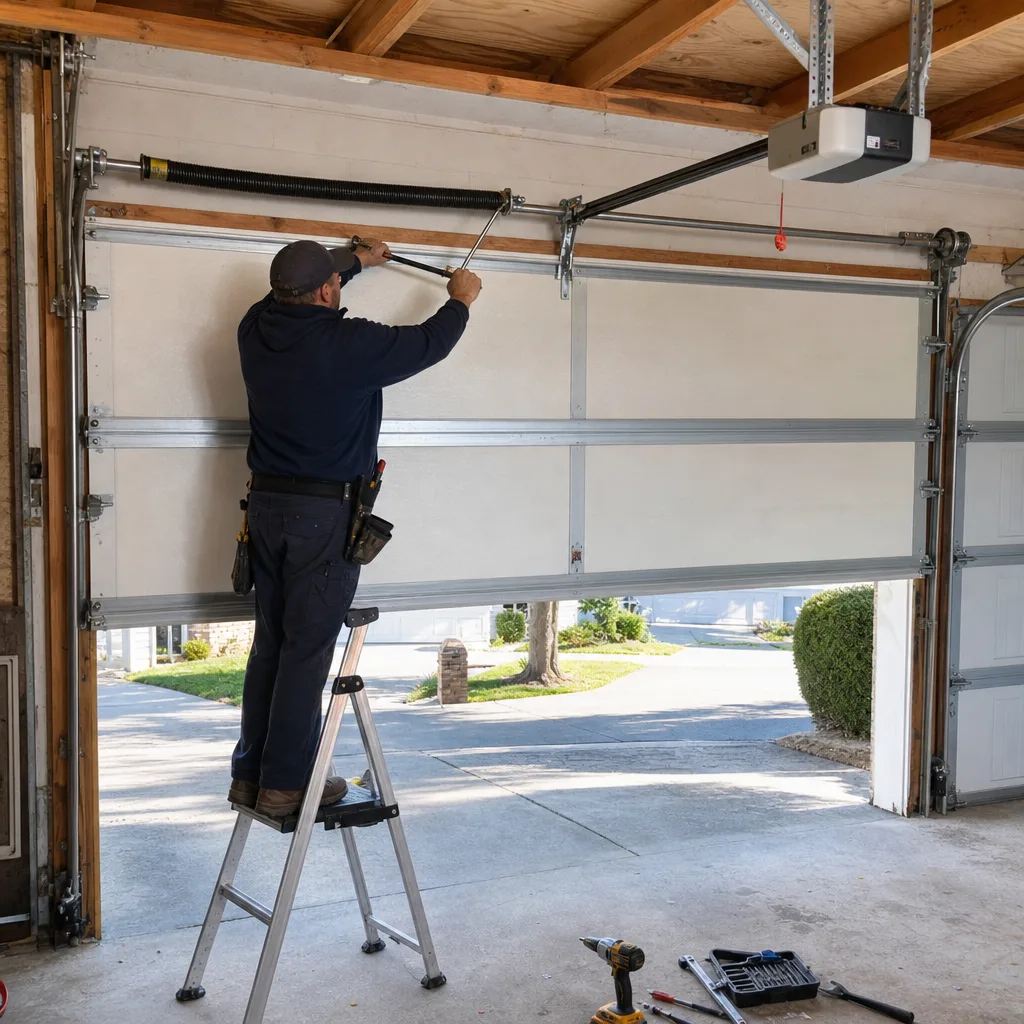
Some garage door work belongs to a trained professional, plain and simple. Call a specialist when a spring breaks and the door is stuck open or shut, when a cable snaps or comes off a drum, when a door comes off one track or binds partway up, or when a torsion spring is visibly failing. Those are the cases where doing it yourself can cause serious injury, which is why the highest-risk repair in this trade is one we handle with proper technique and safety equipment. Also call when the door reverses unexpectedly, when the opener runs but the door doesn’t move, when the safety sensors test bad, or when a bracket has pulled loose from the header. For minor adjustments like lubricating rollers or tightening a loose hinge screw, you can absolutely do that yourself. When it’s spring or cable work, call us.
Garage Door Repair Lindenwood Park offers free estimates in Lindenwood Park. Call (866) 566-2905. We answer 24/7, with fast dispatch from 7am to 7pm, Sunday through Friday.
Frequently Asked Questions
Ask them to name the brand and spring system on your door, and to describe what they’d check first. A specialist answers in specifics: the brand of opener, whether the door has torsion or extension springs, and the order they’d inspect it. A generalist gives you a vague answer or promises to figure it out when they arrive. The other tells are whether they name specific brands they work on and whether spring repair is a named service rather than one line in a general repair list. Call (866) 566-2905 for a free estimate and we’ll walk you through exactly what your door needs.
Missouri doesn’t have a statewide licensing system for garage door contractors, and it doesn’t license general handyman work at the state level either. That means a state license number isn’t the test. What you should verify is whether the contractor is insured, whether their locality requires any registration for the work, and whether they’ll put the price in writing. If you’re unsure what applies to your address, ask the city’s building department. The local pro we connect you with is licensed and insured as their state requires. Call (866) 566-2905 for a free estimate.
There’s no fixed public price for spring replacement in Lindenwood Park because the honest price depends on your door’s weight, height, and spring system. What you should ask is whether the quote is for one spring or a matched pair, because both are usually replaced together and a pair costs roughly twice a single spring. The written estimate sets the final price, quoted and agreed before any work begins. Call (866) 566-2905 for an exact quote on your door; estimates are free.
It shouldn’t. A written estimate should reflect what’s actually on your door, and the price should be agreed before the work starts. If a quote was given over the phone without a proper look, that’s not a real estimate; ask for a written one before anyone touches the door. Any legitimate price change should come as an updated written estimate you agree to first, never as a surprise on the invoice. Call (866) 566-2905 for a written estimate.
Repair usually wins when the panels are solid and the problem is a spring, cable, or opener. Replace when a panel is badly warped, rusted through, or the door has been repaired repeatedly. In Lindenwood Park’s older homes, the door itself is often still serviceable even when the opener is not, so the answer usually depends on the opener and the spring system more than the door. Our garage door repair service covers both paths. Call (866) 566-2905 for a free estimate and a straight answer.
Ask before you book. We’re factory-familiar with eight major brands: LiftMaster, Chamberlain, Genie, Clopay, Amarr, Wayne Dalton, Craftsman, and Raynor. If your opener is one of these, we know the sensor design, the logic board, and the drive system without looking it up. If it’s not on the list, we’ll tell you honestly rather than guessing. That’s the standard to hold any contractor to. Call (866) 566-2905 to confirm your system.
The Bottom Line
Hiring a garage door contractor in Lindenwood Park is not the same as hiring a handyman. Verify that the person doing the work specializes in garage doors, ask what brand and model your system uses, confirm that spring pricing is clearly stated for one spring or a pair, and insist on a written estimate with the price agreed before any work begins. Skip anyone who quotes without looking, can’t name the parts, or treats high-tension spring work as routine. A specialist diagnoses faster, carries the right parts on the first visit, and doesn’t need a second trip to figure it out. Our technicians have up to 15 years of experience, and we work on the brands your door actually uses. When you’re ready, call us, and we’ll quote the job honestly before we touch it.
Call (866) 566-2905 for a free estimate. We answer 24/7. Fast dispatch from 7am to 7pm, Sunday through Friday.
Written by the team at Garage Door Repair Lindenwood Park.
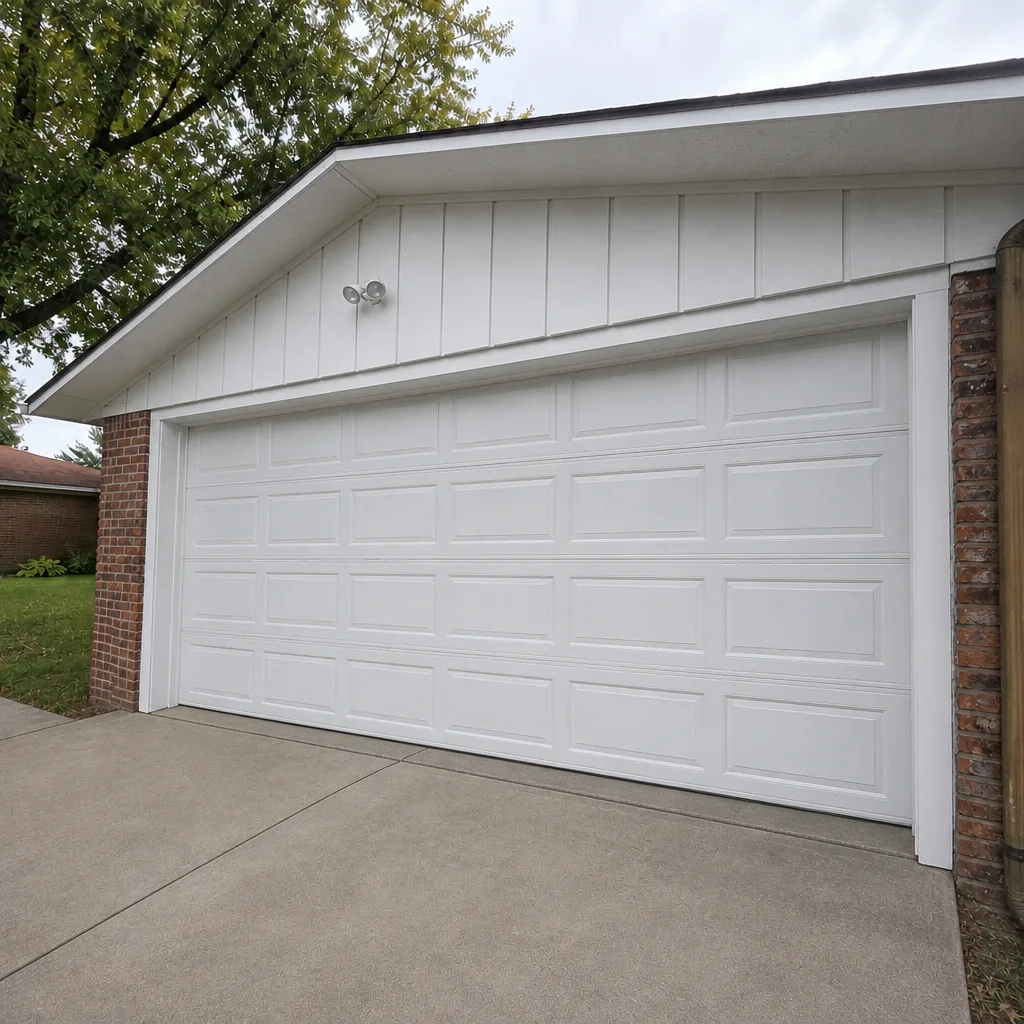
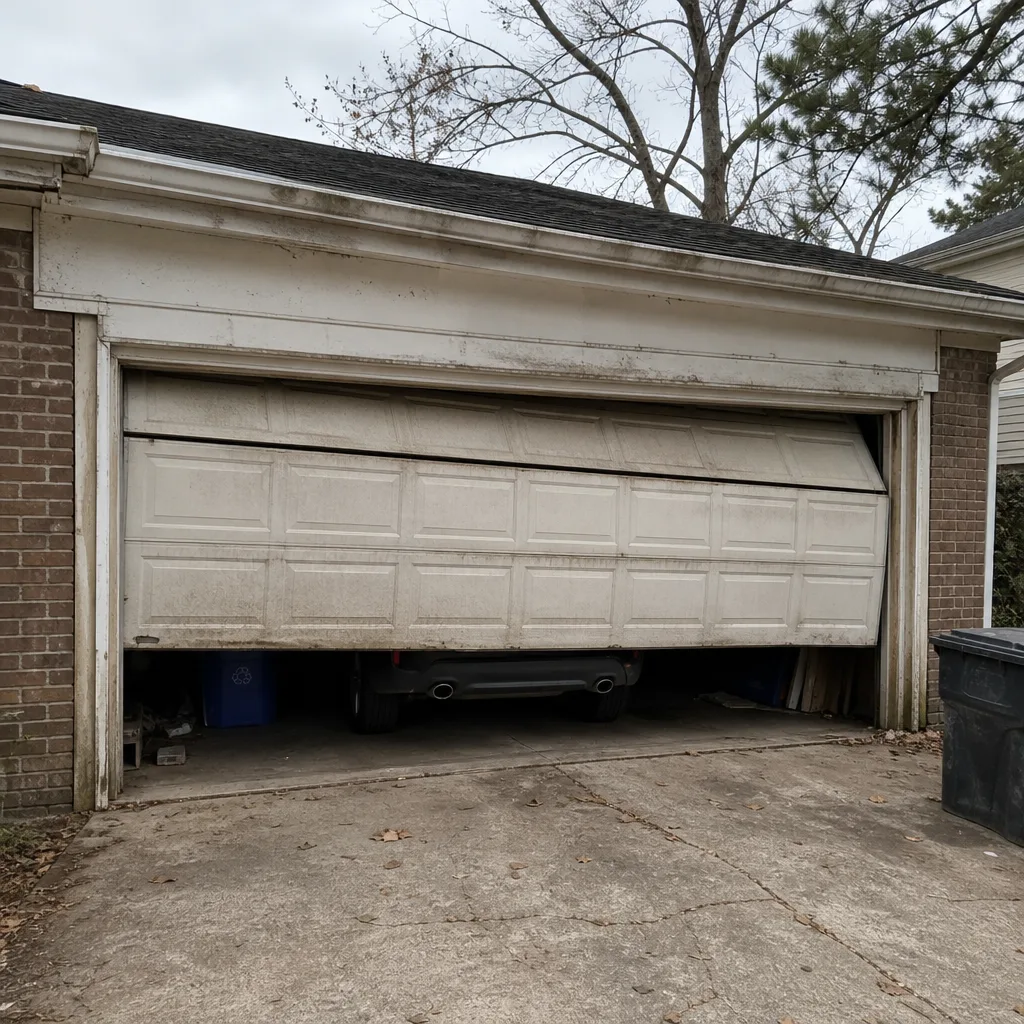
See the difference
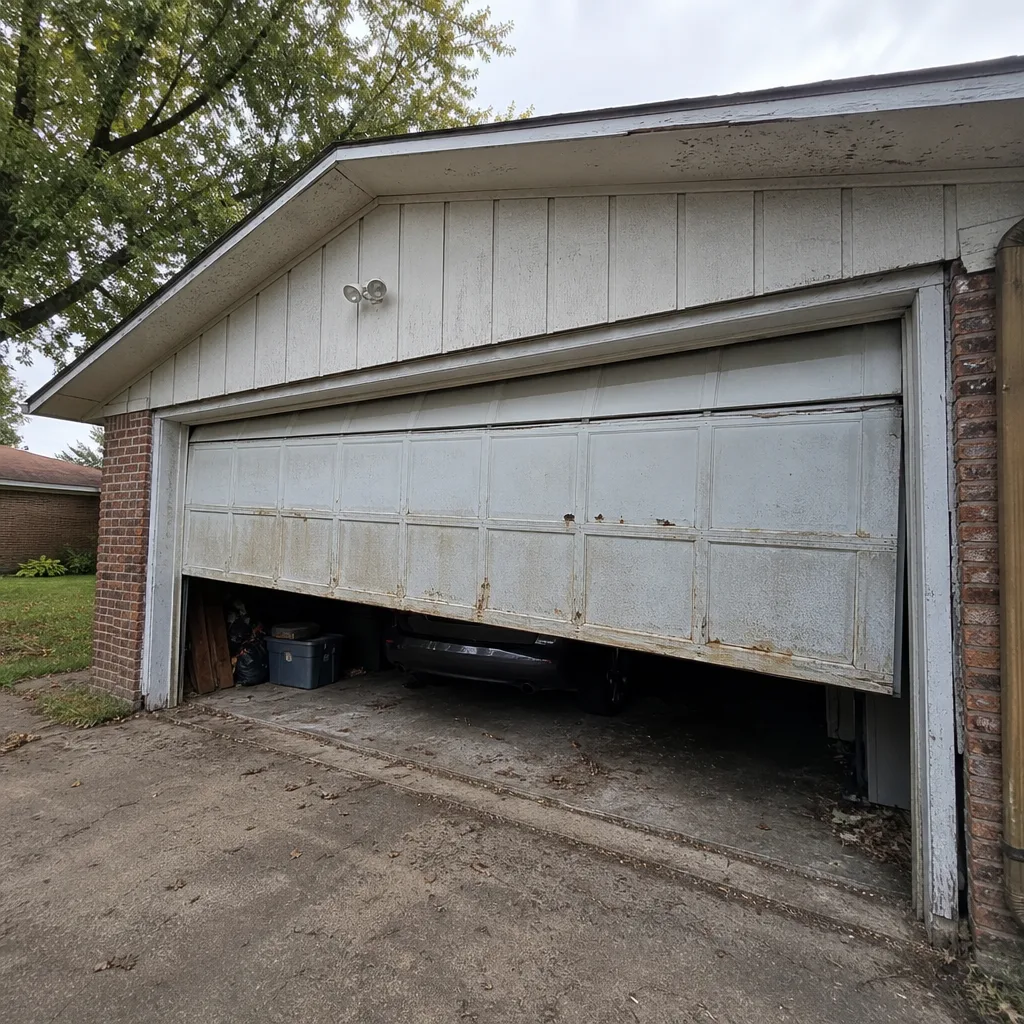 Before
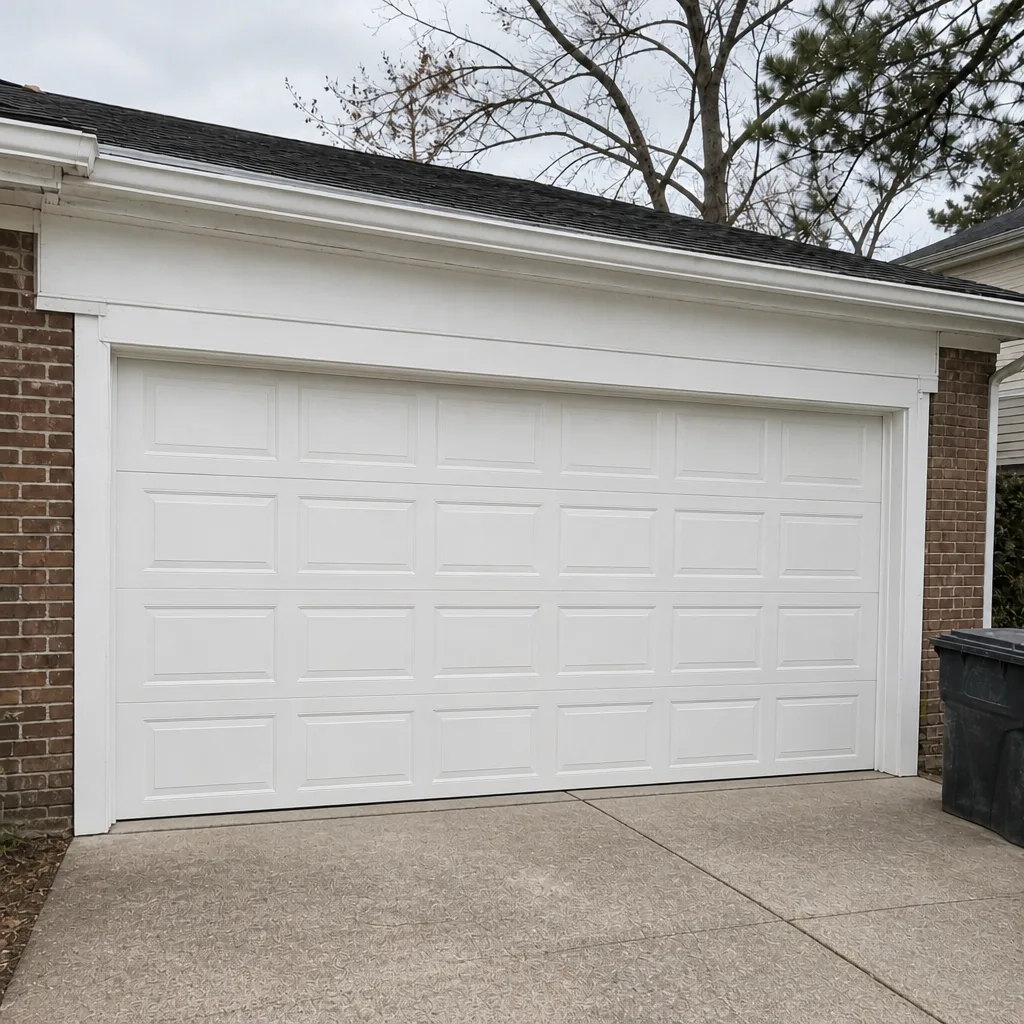
 After
 Before
 After
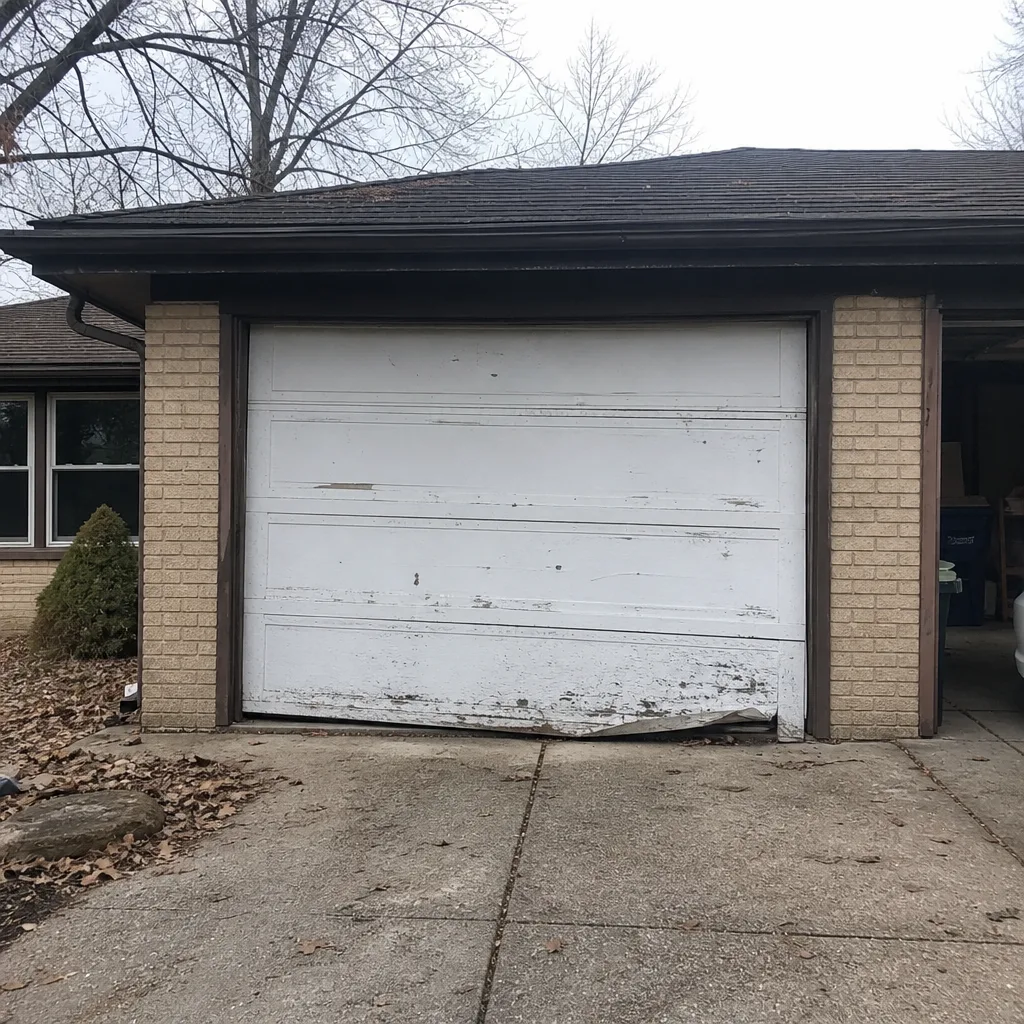 Before
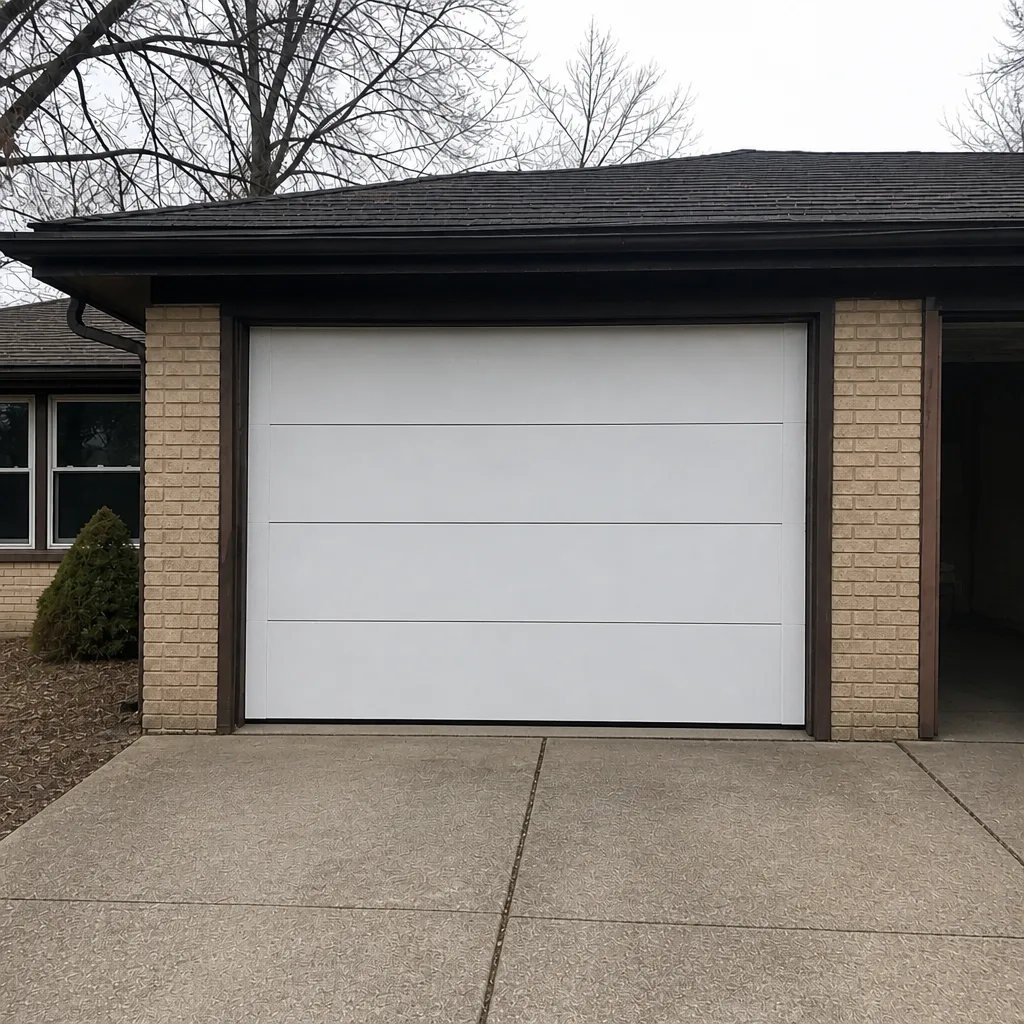 After