
Last updated November 21, 2026
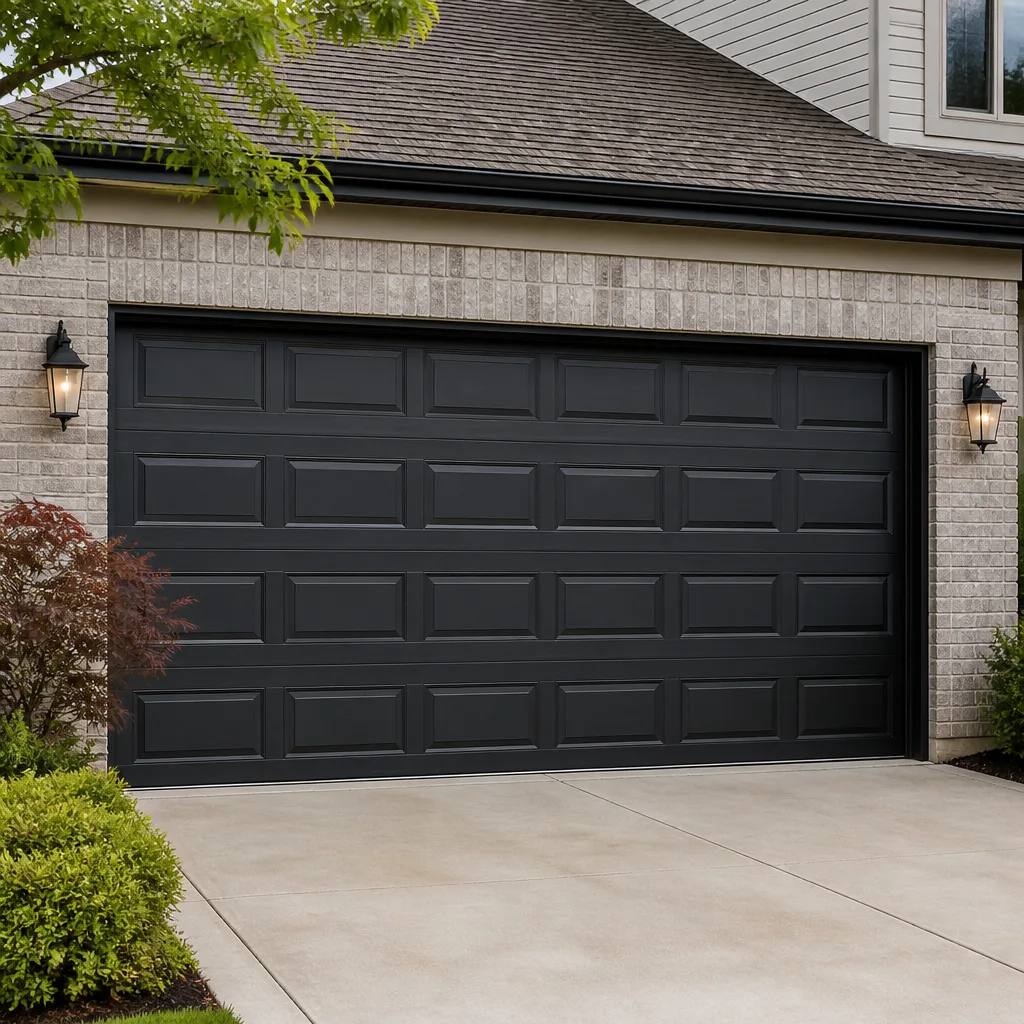 Raised-panel steel
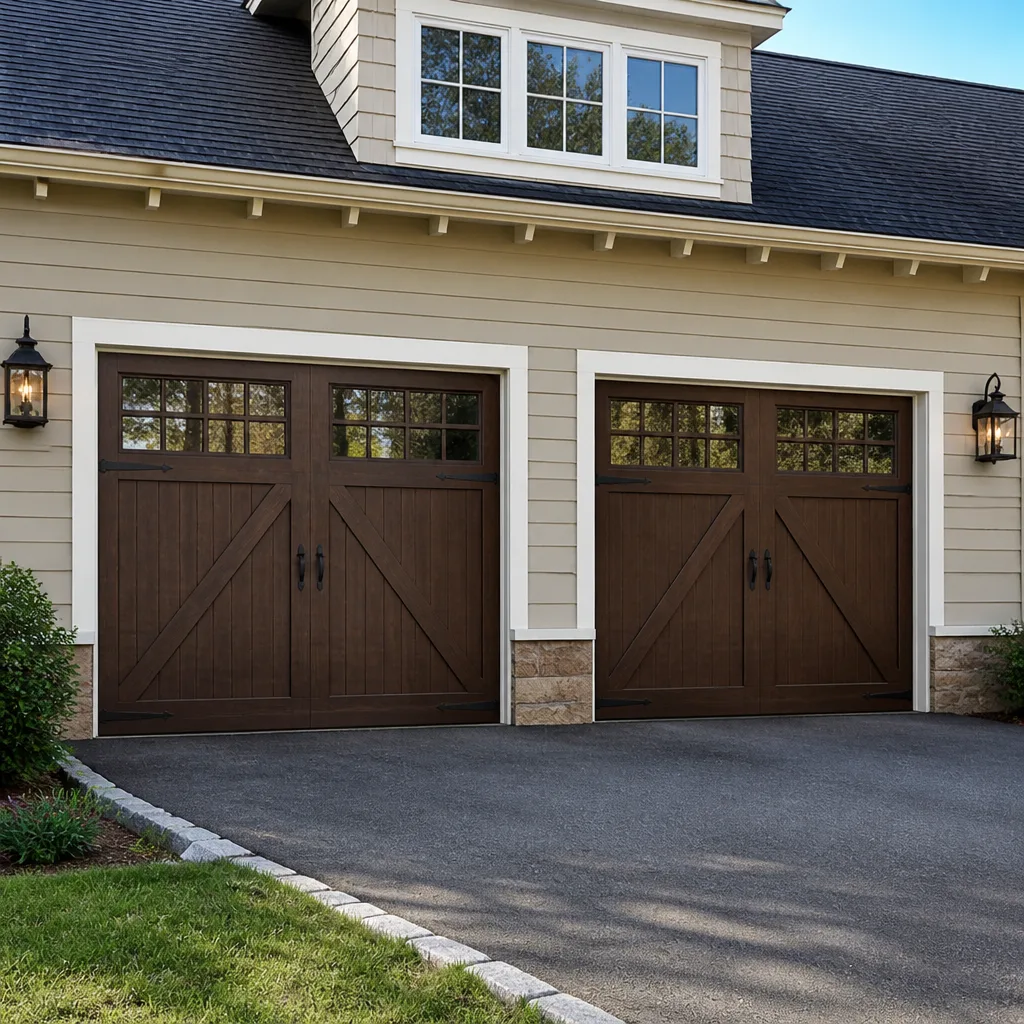 Carriage house
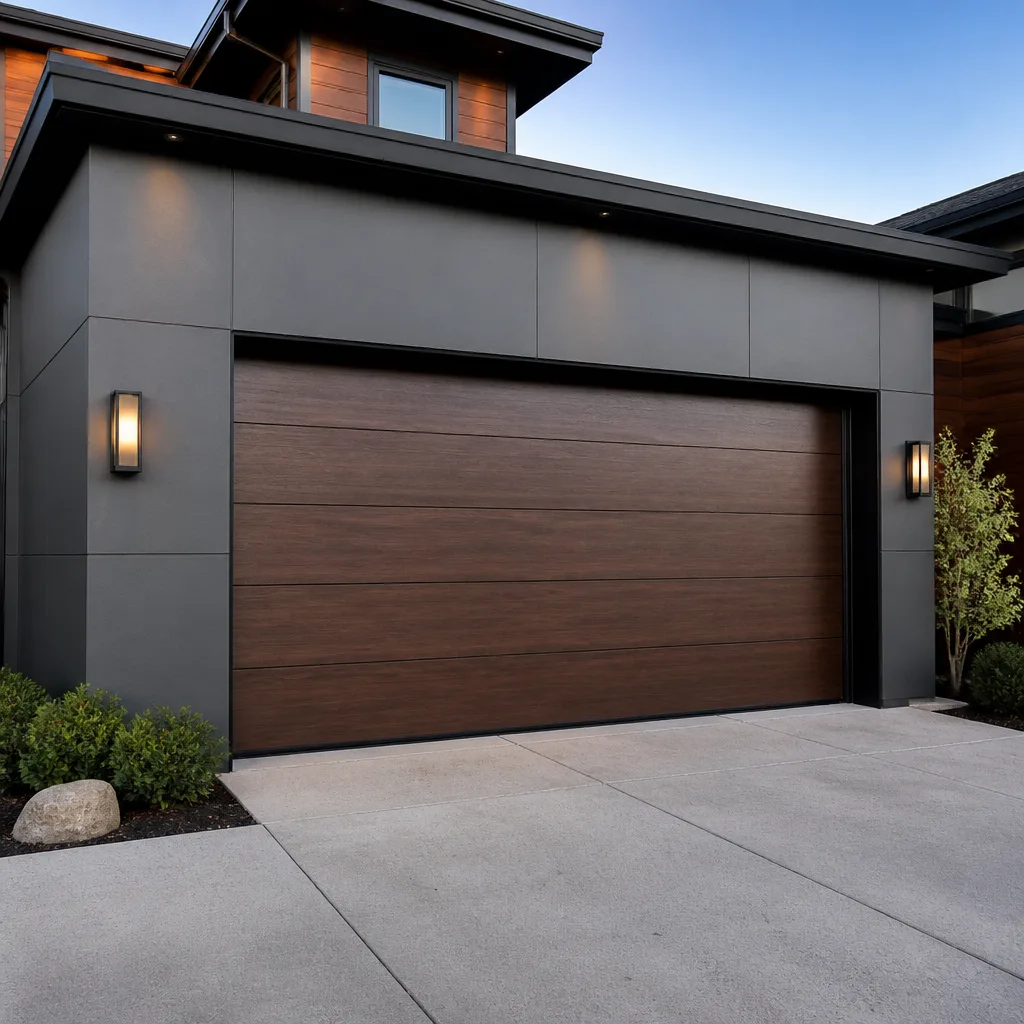 Modern flush
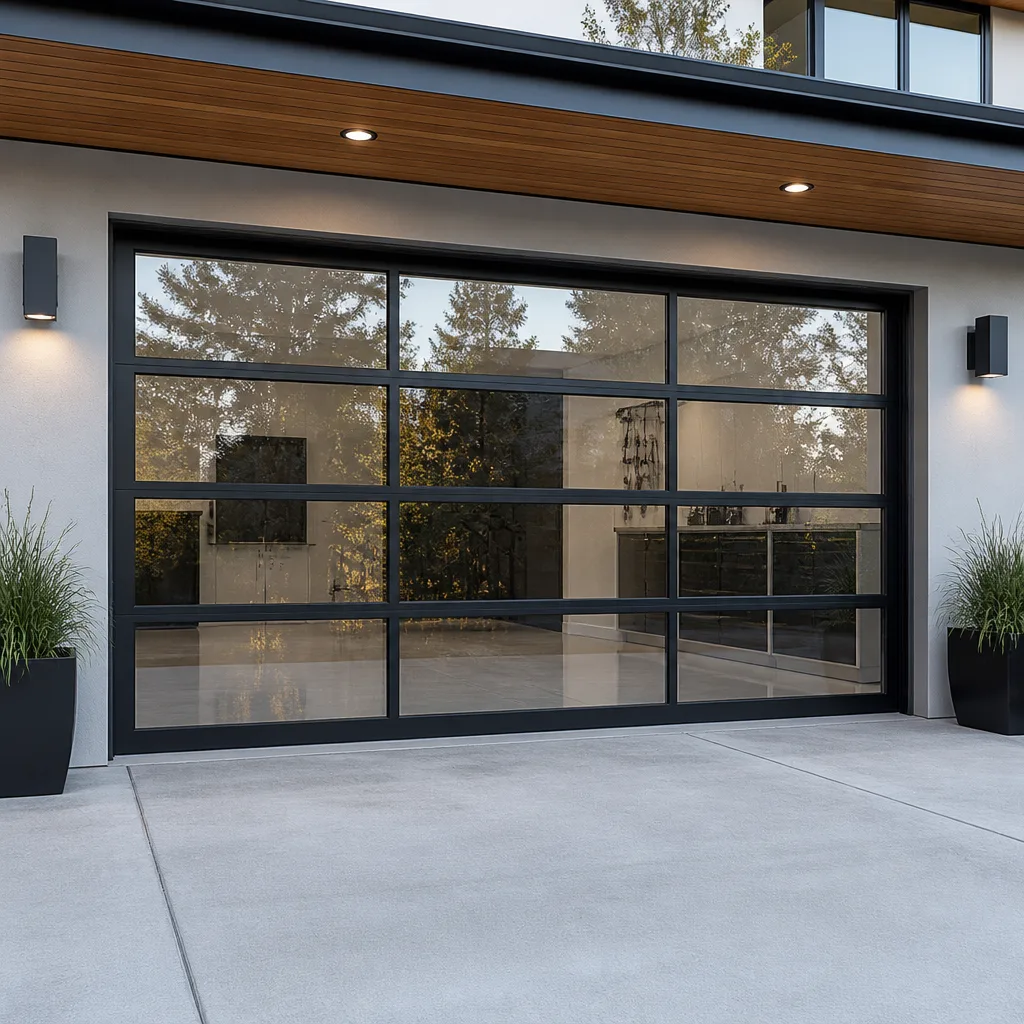 Full-view glass
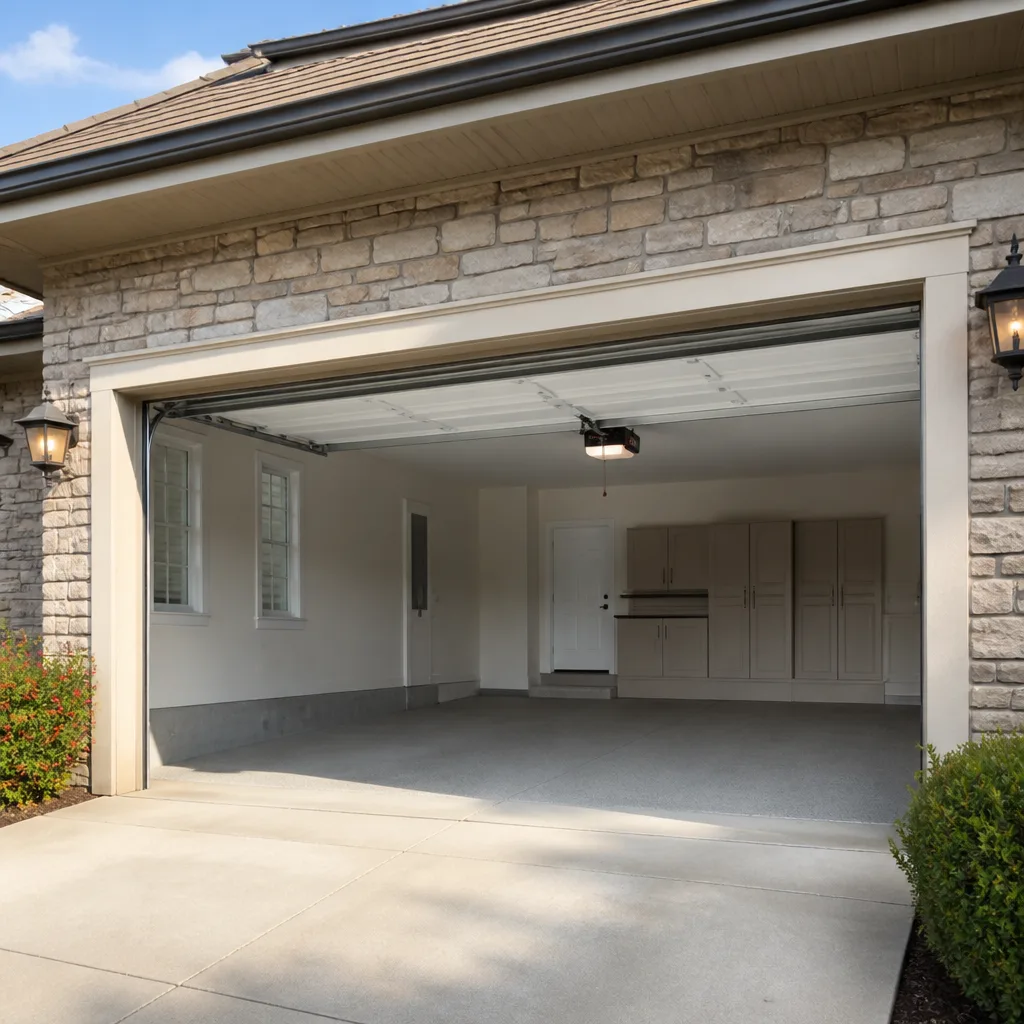 LiftMaster openers
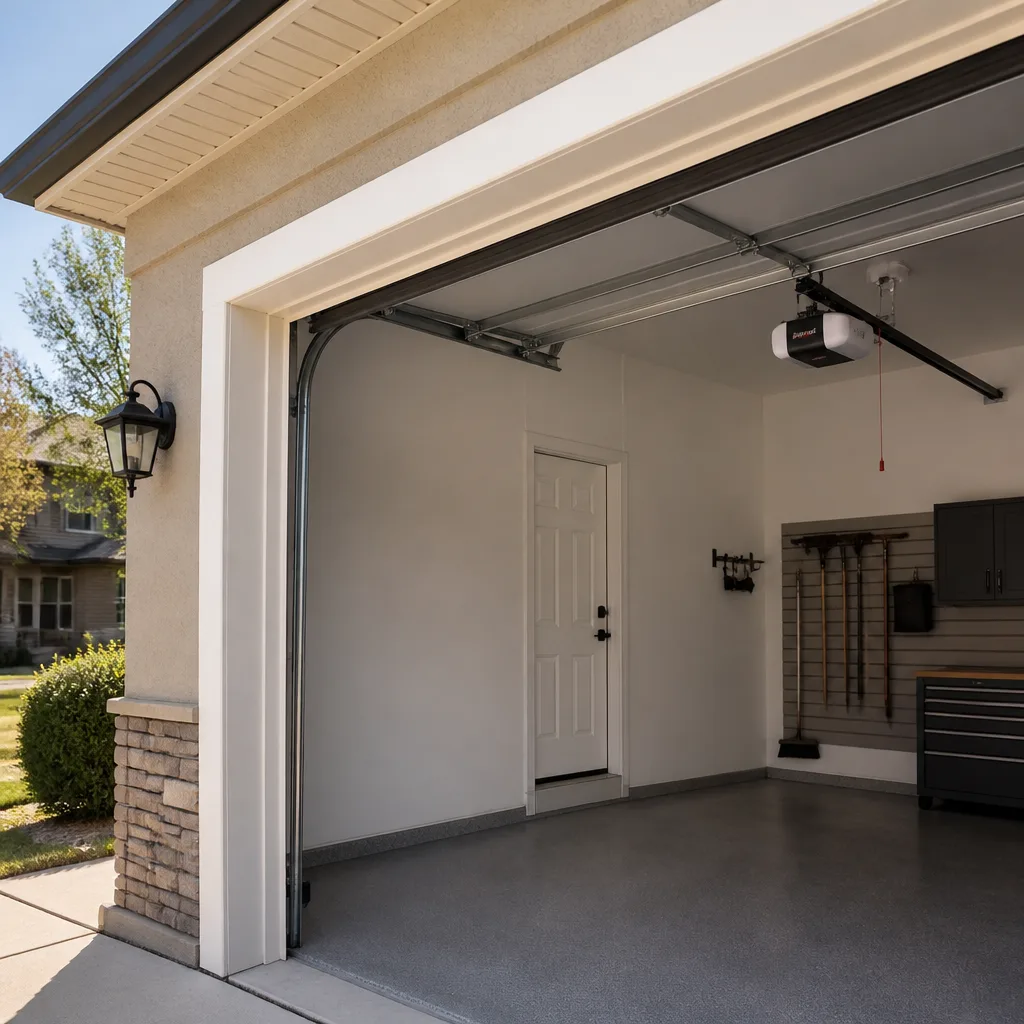 Chamberlain openers
Full 25-point door and opener safety check with every visit - springs, cables, rollers, tracks, and your LiftMaster or Chamberlain opener included
You get a price before we start. It does not change when the pro arrives.
Get your free estimateThe Complete Guide to Garage Doors in Lindenwood Park
Most Lindenwood Park homes were built before the standard two-car garage existed, which means the average door opening here is narrower than what most online guides assume as a baseline. That single fact changes almost everything about how you should approach a garage door decision in this neighborhood, from door width and headroom clearance to which opener will actually fit on the ceiling above your car. A guide written for a new subdivision in the suburbs will steer you toward a wide insulated carriage door and a belt-drive opener mounted on a clean ceiling. A guide written for Lindenwood Park has to start with the fact that your garage was built when a single car was a luxury, the driveway is barely wide enough for a modern SUV, and the brick on the front of your house hasn’t moved in decades. What follows is the guide we’d give a neighbor who asked. It covers sizing, materials, spring systems, opener choices, and the freeze-thaw wear that this stretch of the Mississippi corridor puts on every door seal and spring in the neighborhood.
Quick Answer
A garage door in Lindenwood Park needs to be sized to your actual opening, not to a national average, because most homes here were built with single-car or narrow two-car garages. The right door for an older brick bungalow is usually a steel or steel-backed door in a standard height with a torsion spring system and a jackshaft or chain-drive opener, ordered to fit the measured opening rather than a stock width. Springs, seals, and opener components wear faster here than in drier climates because of the freeze-thaw cycle, so maintenance timing matters more than brand loyalty.
Styles & brands we work with
- Raised-panel steel
- Carriage house
- Modern flush
- Full-view glass
- LiftMaster openers
- Chamberlain openers
Table of Contents
- How Lindenwood Park’s Housing Stock Shapes Every Door Decision
- Why the Freeze-Thaw Cycle Wears Doors Out Faster Here
- Which Brands Actually Fit Older St. Louis-Area Garages
- Full Replacement or Panel Swap: How to Decide
- Torsion vs. Extension Springs in an Older Garage
- Choosing an Opener for a Low-Clearance or Older Ceiling
- Permits and Historic Districts in Lindenwood Park
- How to Measure Your Opening Before You Shop
How Lindenwood Park’s Housing Stock Shapes Every Door Decision
Lindenwood Park was developed mostly in the decades before and after World War II, and the garages reflect that. Many are detached, set back from the house at the end of a narrow driveway, and built to hold one car with a little room left over for a lawnmower. Some are attached but shallow. Very few were designed for the two-door, two-car layout that new construction treats as standard. When you’re shopping for a door, that history matters in three specific ways.
First, opening width. A stock door from a big-box store is usually built to a nominal 8, 9, or 16 feet. Many Lindenwood Park openings measure a few inches off those numbers after decades of settling, and a door that’s even an inch too wide won’t close against the stop. The opening has to be measured, not assumed.
Second, headroom clearance. Torsion springs and the tracks that carry them need vertical space above the door. Older garages here often have lower ceilings than modern ones, and a few have obstructions like a furnace flue or a storage shelf built into the rafters. If the headroom is tight, a low-headroom track configuration or a jackshaft opener mounted on the side wall solves the problem. A standard opener hung from the ceiling does not.
Third, driveway width and approach. Narrow driveways mean the car comes in at an angle, and doors with a low first panel get scraped. We see this often on the blocks where the driveways run tight between houses. A door with a slightly taller bottom panel or a reinforced lower section holds up better to that kind of approach.
None of this is a reason to avoid a new door. It’s a reason to have the opening measured by someone who understands what they’re looking at. Our technicians have up to 15 years of experience with exactly these older St. Louis-area garages, and the measure is where the job is won or lost.
Why the Freeze-Thaw Cycle Wears Doors Out Faster Here
Lindenwood Park sits along the Mississippi corridor, and that puts it in a climate that swings hard between freezing and thawing through the winter. Water gets into the bottom seal, freezes overnight, expands, and forces the seal away from the door. Then it thaws, the gap opens, and the next freeze pushes it further. Repeat that a few dozen times over a season and a bottom seal that looked fine in October is cracked and hanging by spring. The same cycle works on the steel at the bottom of the door, where paint chips and bare metal start to rust.
Springs feel it too, though less obviously. A torsion spring is a coiled piece of steel under constant tension, and temperature swings make it expand and contract thousands of times a season. That metal fatigue is one reason springs in this climate tend to fail earlier than the manufacturers’ general estimates suggest. It’s also why a spring that snapped in January often looks like it failed suddenly when it’s really been weakening for years.
What this means in practice:
- Check the bottom seal every fall. If it’s stiff, cracked, or pulling away, replace it before the first hard freeze. It’s one of the least expensive parts on the door and one of the most important for keeping weather and pests out.
- Watch the paint at the bottom panel. A chip smaller than a coin can turn into a rust line within a season. Touch it up before winter.
- Listen to the springs. A twang, a pop, or a door that feels heavier than it used to are warning signs. Don’t wait for the snap.
- Lubricate the moving parts. Rollers, hinges, and the torsion bar benefit from a garage-door-specific lubricant once or twice a year. Not WD-40, which attracts dust.
The freeze-thaw cycle is not something you can stop. What you can do is time your maintenance to it, and that’s what separates a door that lasts from one that starts failing at year eight. If your door is already showing wear, our garage door repair service handles seals, panels, and springs as a routine part of the work.
Which Brands Actually Fit Older St. Louis-Area Garages
Door and opener brands aren’t interchangeable when you’re fitting a modern product into a pre-war or mid-century opening. We work on eight major brands, and which one we recommend for a Lindenwood Park home depends on the door’s dimensions, the ceiling, and what the homeowner wants the front of the house to look like. Here’s how the lines we know best break down for older garages.
Clopay and Amarr for door fit
Both Clopay and Amarr build doors to order in a wide range of custom widths and heights, which is exactly what an older opening needs. If your garage measures 8 feet 7 inches or 9 feet 3 inches instead of a clean 9, a made-to-order door from either line fits without forcing the frame. Clopay’s steel and steel-backed lines are the workhorses for brick bungalows here, and Amarr’s panel profiles read as traditional, which suits the neighborhood’s architecture.
Wayne Dalton for tighter spaces
Wayne Dalton makes doors and openers that work well in tighter configurations, including low-headroom track options. For a garage where the ceiling sits lower than modern standard, a Wayne Dalton door paired with the right track setup can save you from a structural change you don’t want to make.
LiftMaster and Craftsman for the opener side
On the opener, LiftMaster and Craftsman are the two names we see most often on the ceilings of Lindenwood Park garages. LiftMaster’s current models handle smart home integration cleanly, and Craftsman units from the last couple of decades are still common and still serviceable. If your opener is a Craftsman, you don’t need to replace the whole system just because the brand changed hands. Our garage door opener repair service works on both, and we supply the parts directly rather than waiting on a third-party order.
Raynor is the other brand we’re factory-familiar with, and it’s a common choice for homeowners who want a heavier commercial-grade feel on a residential opening. The point of naming all of these is simple: when you call, we already know your brand, your model, and the parts it takes. There’s no learning curve and no second visit because the wrong part got ordered.
Full Replacement or Panel Swap: How to Decide
Not every worn garage door in Lindenwood Park needs to be replaced. If the frame is still square and the tracks are straight, a panel swap is often the smarter move, and it preserves the original character of a brick facade that a full replacement might disrupt. The decision comes down to what’s actually failing.
Choose a panel swap when:
- One or two sections are dented, rusted, or damaged but the rest of the door is sound.
- The tracks and hinges are straight and the door runs smoothly.
- The frame is square, meaning the door sits evenly in the opening and the gap along each side is consistent.
- The door style is still available from the manufacturer, so the new panel matches the old.
Choose a full replacement when:
- The bottom two panels and the frame both show rust or rot.
- The opening is out of square, which usually means the original installation was never quite right.
- The springs, hinges, and tracks are all at the end of their life at once.
- You want to change the look of the house, not just repair it.
The square-frame test is the one most homeowners miss. Put a level on the inside of each vertical track, or hold a tape from corner to corner of the opening and compare the two diagonals. If they match within a quarter inch, the frame is square and a panel swap is on the table. If they don’t, a new door will not sit right until the frame is corrected, and that’s a different job. Our garage door installation team measures for both outcomes, so you get an honest answer about which one you actually need.
Torsion vs. Extension Springs in an Older Garage
Older garages in Lindenwood Park often still run on extension springs, the kind that stretch along the horizontal track above the door. Torsion springs, which mount on a bar above the door and twist, became the standard later. Both work; the question is which one fits your opening and your comfort level with maintenance.
Torsion springs last longer, run quieter, and are less prone to the violent snap that extension springs can produce when they fail. They also need a trained technician to replace, because the torsion bar holds enough stored energy to cause serious injury if it’s handled wrong. Extension springs are simpler and less expensive to replace, but they stretch out over time and the safety cables that run through them are there for a reason.
For most Lindenwood Park homes, our recommendation is a torsion conversion when the original extension springs reach the end of their life. It’s a modest cost increase over a like-for-like extension spring replacement, and it pays back in quieter operation and fewer failures. Pricing is set per job by the written estimate, and we quote before any work starts.
A word on safety: spring replacement is the single most dangerous repair on a garage door. The springs are under extreme tension, and a mistake can break bones or worse. We don’t recommend DIY spring work under any circumstances. Our dedicated Garage Door Repair Lindenwood Park spring service exists because this is a job that needs a trained technician with the right tools, not a homeowner with a YouTube video. A single spring replacement typically runs in the low hundreds of dollars; a matched pair, which is usually what’s replaced together, costs about twice that. Ask for a written estimate before work begins.
Choosing an Opener for a Low-Clearance or Older Ceiling
The opener is where older garages in Lindenwood Park create the most surprises. A modern belt-drive opener assumes a certain ceiling height and a clear run for the rail. Many garages here don’t have that. The ceiling might be low, the rafters might be close together, or there might be a flue in the way. Here’s how the main opener types sort out for a Lindenwood Park garage.
- Chain-drive opener. The traditional choice. It’s loud, but it’s reliable and it handles a heavier door well. If your door is a solid steel single-car door, a chain-drive is a safe, cost-effective option.
- Belt-drive opener. Quieter than chain, and a good match for attached garages where the door is under a bedroom. It needs a bit more headroom for the belt housing, so measure first.
- Jackshaft opener. Mounts on the side wall next to the torsion bar instead of on the ceiling. This is the answer for a low-headroom garage, and it’s also the cleanest option when the ceiling is cluttered with storage or ductwork.
- Smart opener. LiftMaster and Chamberlain both offer models with app control and integration with common smart home systems. If you want to check whether the door is closed from your phone, this is the category to look at.
Safety sensors are non-negotiable regardless of which opener you choose. The photo-eye sensors at the bottom of the track are what stop the door from closing on a child or a pet, and an opener without functioning sensors is a hazard, not a convenience. If your current opener’s sensors are misaligned or the opener is old enough that it lacks them, that’s a repair worth prioritizing. Our opener service covers motors, sensors, and smart home integration across LiftMaster, Chamberlain, Genie, and Craftsman systems.
Permits and Historic Districts in Lindenwood Park
Replacing a garage door on a Lindenwood Park property often falls under the city’s permit rules, and if your home sits in a historic or conservation district, there may be additional review. The rules vary by block and by what’s changing, so the right move is to ask before you order.
Start with the city’s building department. Tell them the address, the door size, and whether you’re doing a like-for-like replacement or changing the style. A like-for-like swap is often a simpler process than a style change. If the property is in a historic or conservation district, the city can tell you whether the change needs review by a preservation board, and what documentation they want. Photos of the existing door, the manufacturer’s spec sheet, and a drawing of the new door are usually part of that package.
What we’ve learned from working in this neighborhood is that the review is rarely the obstacle people fear. The obstacle is ordering a door before the review is done, then discovering the style isn’t approved. Sequence it the other way: get the permit question answered, then order. Our installation team can supply the manufacturer’s spec sheet and dimension drawings you’ll need for the application, and we can coordinate the measure around your review timeline.
One more note: if your home is in a district with design guidelines, the guidelines usually care about the door’s appearance from the street (panel profile, window pattern, color), not the internal mechanism. A modern torsion system behind a traditional-looking door is almost always fine. Ask the city to confirm, but don’t assume you have to sacrifice function for appearance.
How to Measure Your Opening Before You Shop
If you’re going to shop for a door or an opener before calling, measure first. It saves a return trip and it tells you what’s actually possible in your garage. Here’s the sequence we use.
- Measure the opening width at the top, middle, and bottom. Use the smallest number. Older openings are rarely perfectly consistent.
- Measure the opening height at the left, center, and right. Again, use the smallest number.
- Measure the headroom. That’s the distance from the top of the opening to the ceiling. Torsion springs and standard openers need a certain amount; jackshaft openers need much less.
- Measure the backroom. That’s the distance from the door to the back wall of the garage. The door has to fit along the ceiling when it’s open, so a shallow garage limits your options.
- Check the sides. Measure from the edge of the opening to the nearest wall on each side. Tracks and springs need clearance.
- Note the ceiling obstructions. Flues, ducts, rafters, and shelves all count. A photo of the ceiling from the door looking back is worth taking.
Write those numbers down and bring them to the estimate. A good technician will re-measure everything on site, but having your own numbers means you can have a real conversation about options instead of a vague one. For a full walk-through of the measurement process and what each number controls, our garage door repair team is happy to talk it through before you commit to anything.
Common Mistakes to Avoid
- Buying a stock door before measuring the opening. A nominal 9-foot door won’t fit an opening that measures 8 feet 10 inches, and Lindenwood Park openings are often a few inches off nominal. Measure first, order second.
- Assuming a standard opener will fit the ceiling. Low-headroom garages here need a jackshaft or a low-profile track. Hanging a standard opener from a low ceiling can leave the door unable to open fully.
- Ignoring the bottom seal until spring. The freeze-thaw cycle along the Mississippi corridor destroys seals that weren’t replaced in the fall. A stiff, cracked seal lets in water that freezes and damages the door.
- Replacing only one spring when the pair is due. Matched springs wear at the same rate. Replacing one leaves the older one to fail soon after, and you pay for the second visit.
- Ordering a door before checking the permit and historic district rules. A style that isn’t approved by the city or a preservation board is a door you can’t install. Get the answer first.
- Choosing a brand by price alone. A door that doesn’t fit your opening or a panel profile that doesn’t match the house is a poor value regardless of what it cost. Match the brand to the space.
- Skipping the safety sensor check. A door that closes without working photo-eye sensors is a hazard. Test them monthly, and call for repair if they don’t reverse the door on contact.
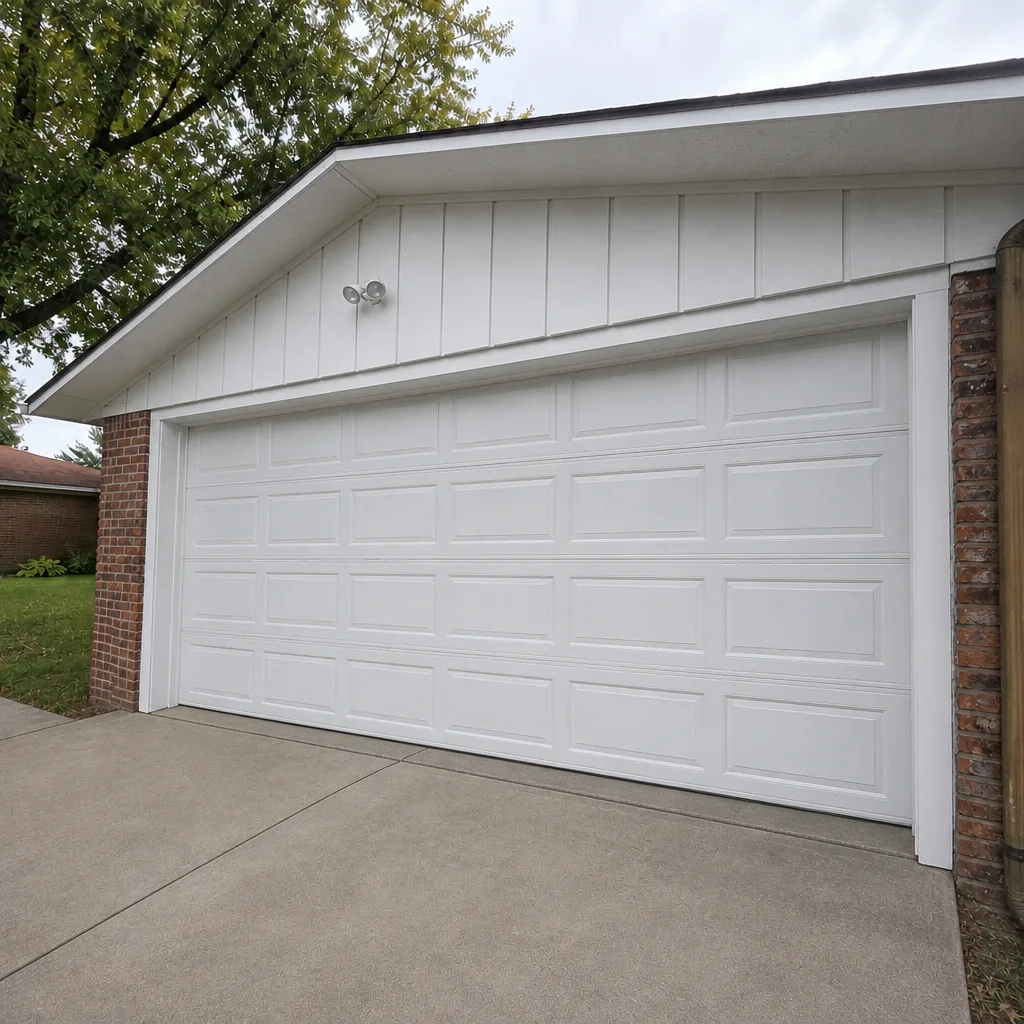
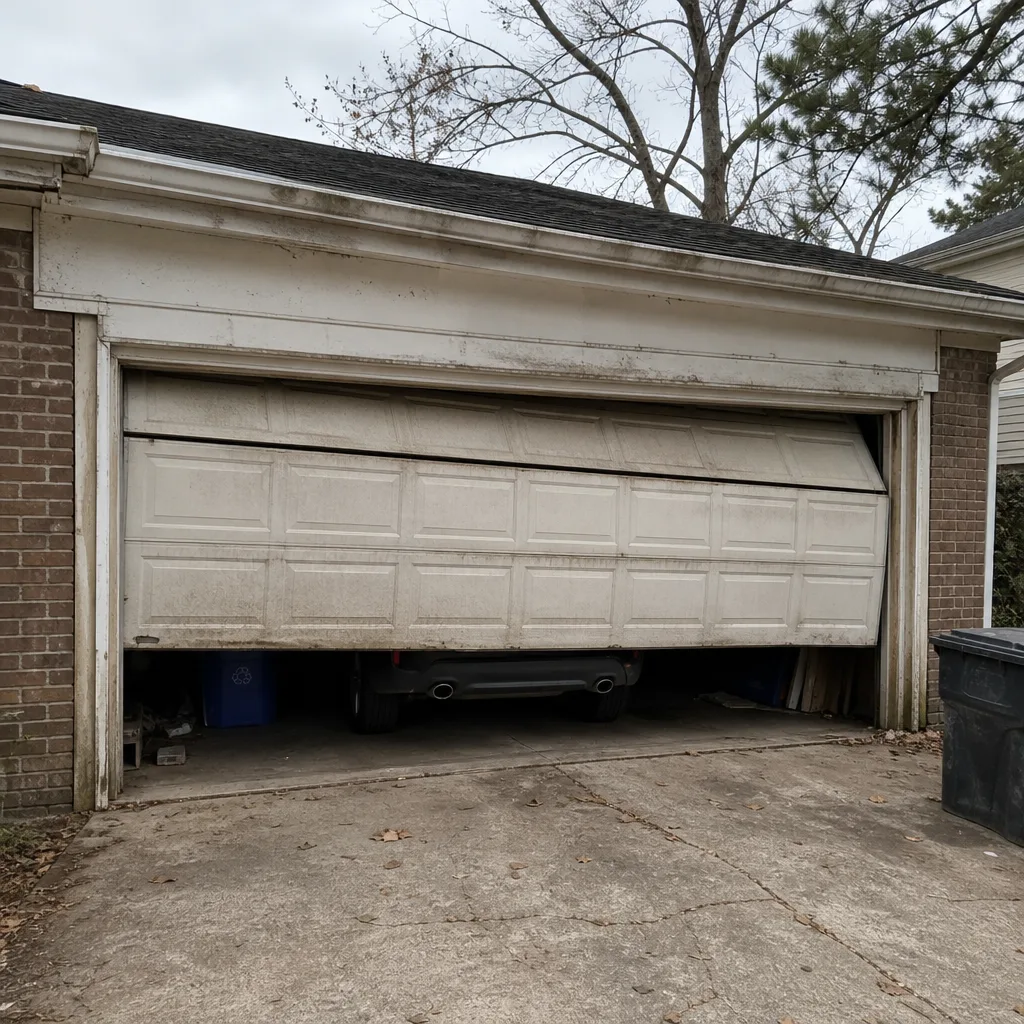
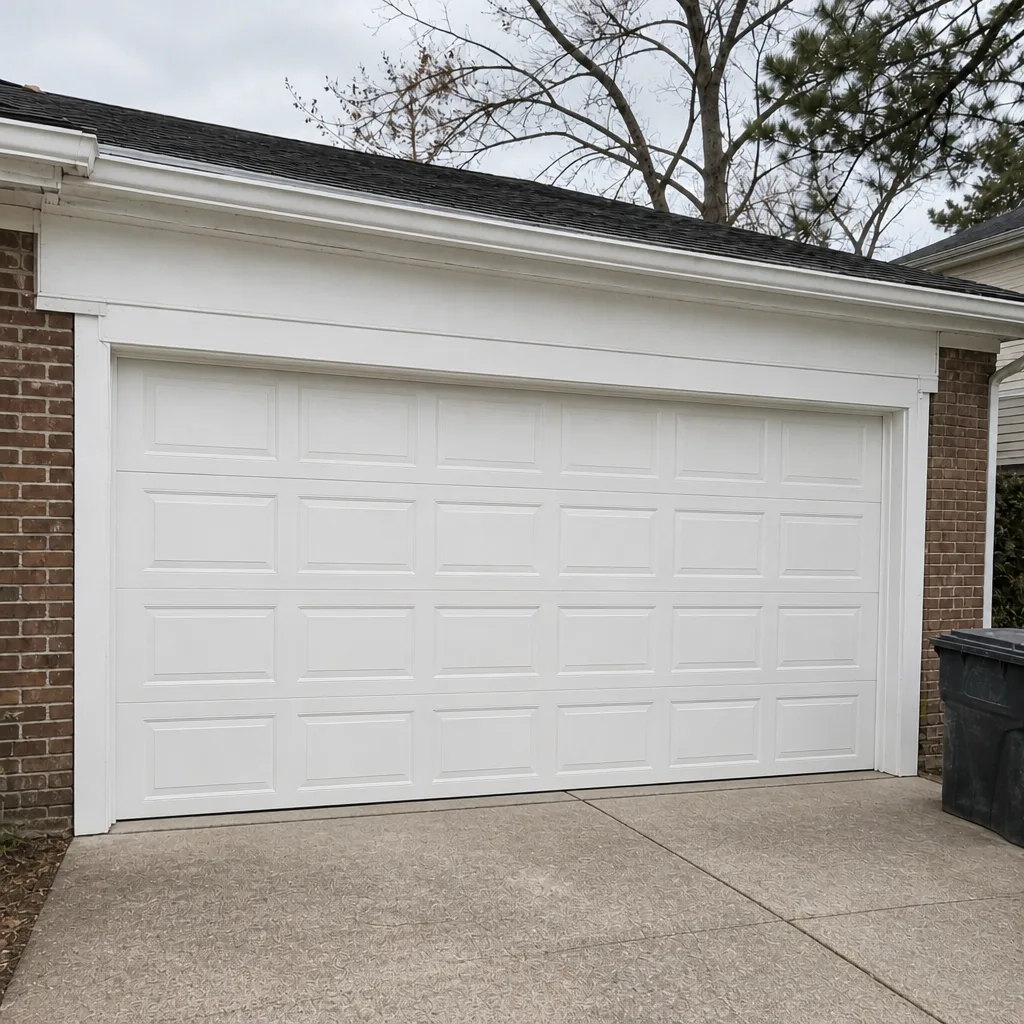
See the difference
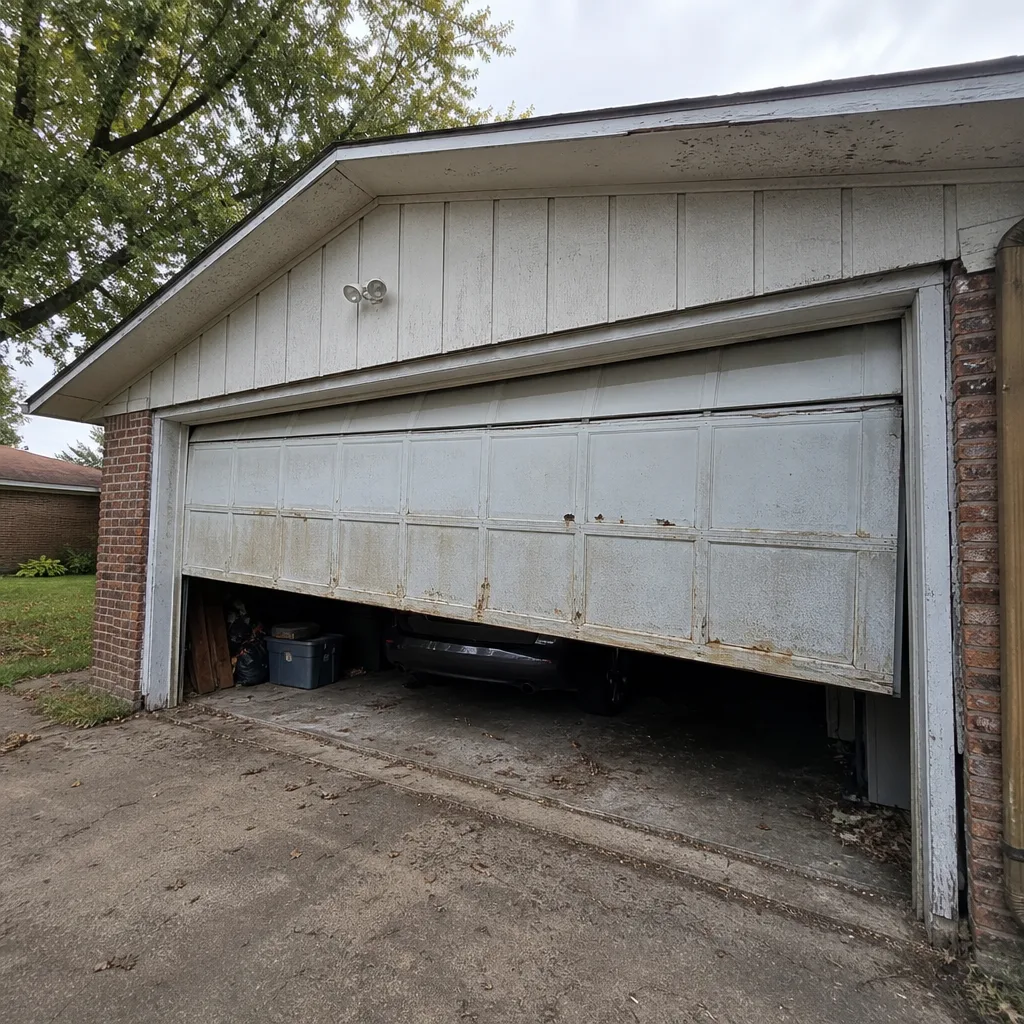 Before
 After
 Before
 After
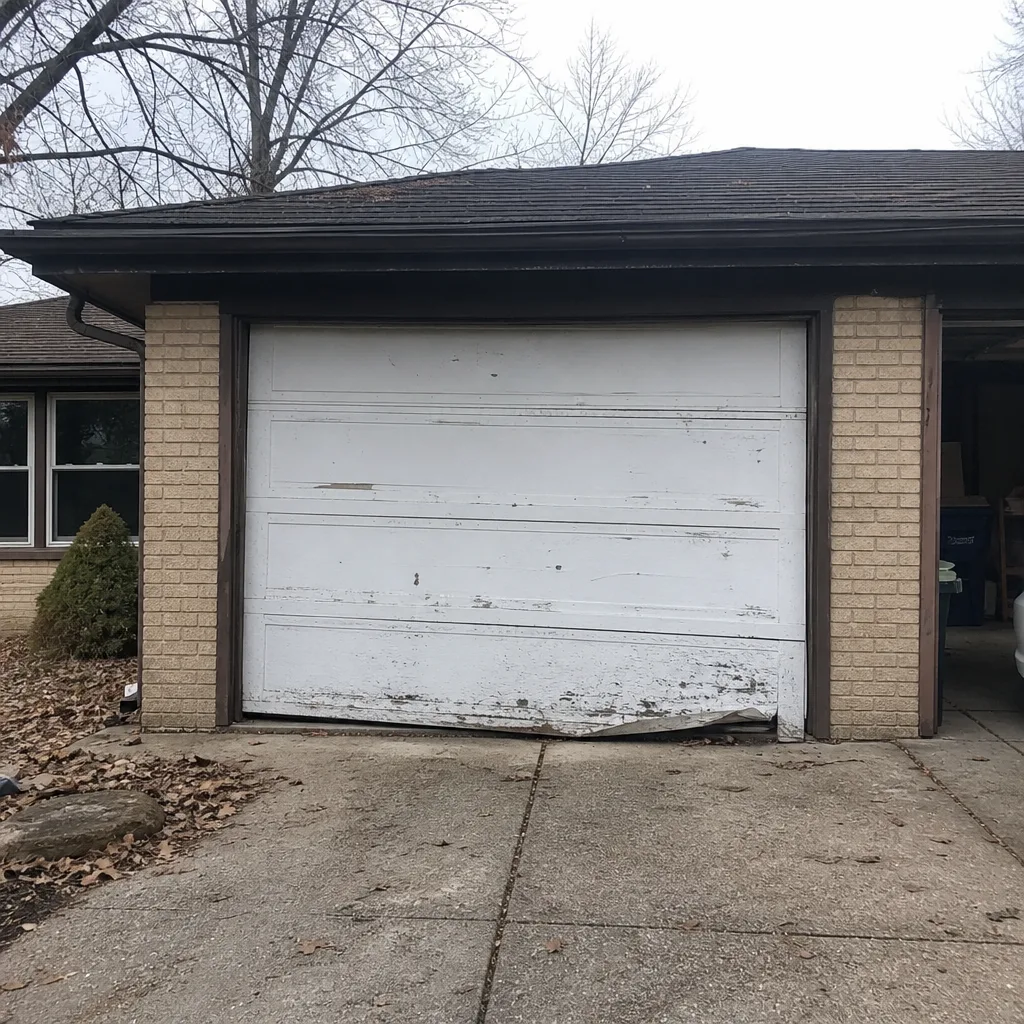 Before
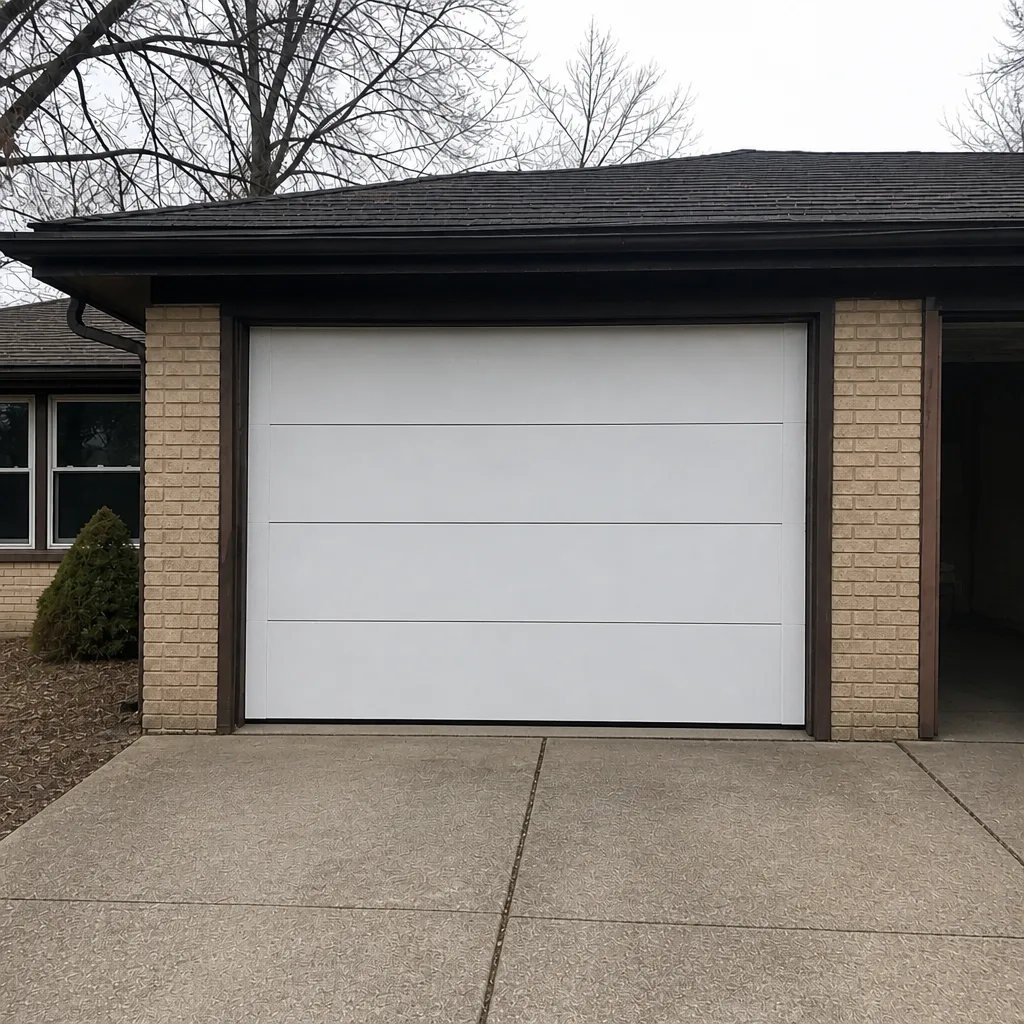 After
When to Call a Professional
Some garage door issues are genuinely DIY: replacing a bottom seal, lubricating the rollers, touch-up paint on a chipped panel. Others are not. Call a professional if a spring has snapped or is making a loud popping sound, if the door is off its track or hanging unevenly, if the opener runs but the door doesn’t move, if the safety sensors won’t stay aligned, or if the door is so heavy you can barely lift it by hand. Spring and cable work in particular should never be attempted without training, because the stored energy in a torsion system can cause serious injury in an instant. Our technicians have up to 15 years of experience with these systems, and we supply parts directly so the fix happens on the first visit. Garage Door Repair Lindenwood Park offers free estimates in Lindenwood Park. Call (866) 566-2905. We answer 24/7. Fast dispatch from 7am to 7pm, Sunday through Friday.
Frequently Asked Questions
A new garage door in Lindenwood Park typically costs somewhere in the range of a few hundred to a few thousand dollars, depending on size, material, insulation, and brand, with a single-car steel door at the low end and a custom-height insulated door at the high end. The opening here is often narrower than a stock size, so a made-to-order door can add to the cost compared to a stock unit. The written estimate sets the final price, and we quote before any work starts. Call (866) 566-2905 for an exact quote. Estimates are free.
Same-day repair is often possible for common problems like a broken spring, a misaligned sensor, or a door that’s off its track, depending on the time of day and the parts needed. We answer 24/7, and fast dispatch runs from 7am to 7pm, Sunday through Friday. A call outside dispatch hours is booked into the next opening, Sunday through Friday, 7am to 7pm. Call (866) 566-2905 and we’ll tell you what’s realistic for your door.
Many garage door replacements in Lindenwood Park require a permit, and if your property sits in a historic or conservation district, additional review may apply. The rules vary by block and by the scope of the change, so ask the city’s building department before you order. Bring the address, the door size, and whether the style is changing. We can supply the manufacturer’s spec sheet and drawings you’ll need for the application.
The price is set by the written estimate, which is based on what we find during the on-site measure, so it shouldn’t change once the work begins. If we find something the measure didn’t reveal, like a rotted frame or a bent track, we’ll tell you before doing anything and give you a revised estimate to approve. No work starts until you’ve agreed to the price in writing. Call (866) 566-2905 for a free estimate.
Springs in Lindenwood Park tend to fail faster because the freeze-thaw cycle along the Mississippi corridor works the metal harder than a milder climate would. Each winter brings thousands of expansion and contraction cycles, and that metal fatigue adds up. Maintenance timing matters, and a spring that’s showing wear should be replaced before it snaps rather than after. Call (866) 566-2905 if your door feels heavier than it used to.
We’re factory-familiar with eight major brands: LiftMaster, Chamberlain, Genie, Clopay, Amarr, Wayne Dalton, Craftsman, and Raynor. That covers the openers and doors we see most often in Lindenwood Park garages, which means we know your system before we arrive and we supply the parts directly. If your brand isn’t on that list, call us and we’ll tell you honestly whether we can help. Call (866) 566-2905.
The Bottom Line
Garage doors in Lindenwood Park are shaped by the neighborhood’s housing stock and its climate more than by any national trend. Measure your opening before you shop, because stock sizes rarely fit a pre-war or mid-century garage. Watch the bottom seal and the springs as the freeze-thaw cycle does its work each winter. Match the door and opener brand to your actual space rather than to a showroom, and get the permit and historic district question answered before you order. For repairs, spring work, and installations, a dedicated garage door specialist saves you the second visit that a generalist handyman costs. Call (866) 566-2905 for a free estimate. We answer 24/7. Fast dispatch from 7am to 7pm, Sunday through Friday.
Written by the team at Garage Door Repair Lindenwood Park.